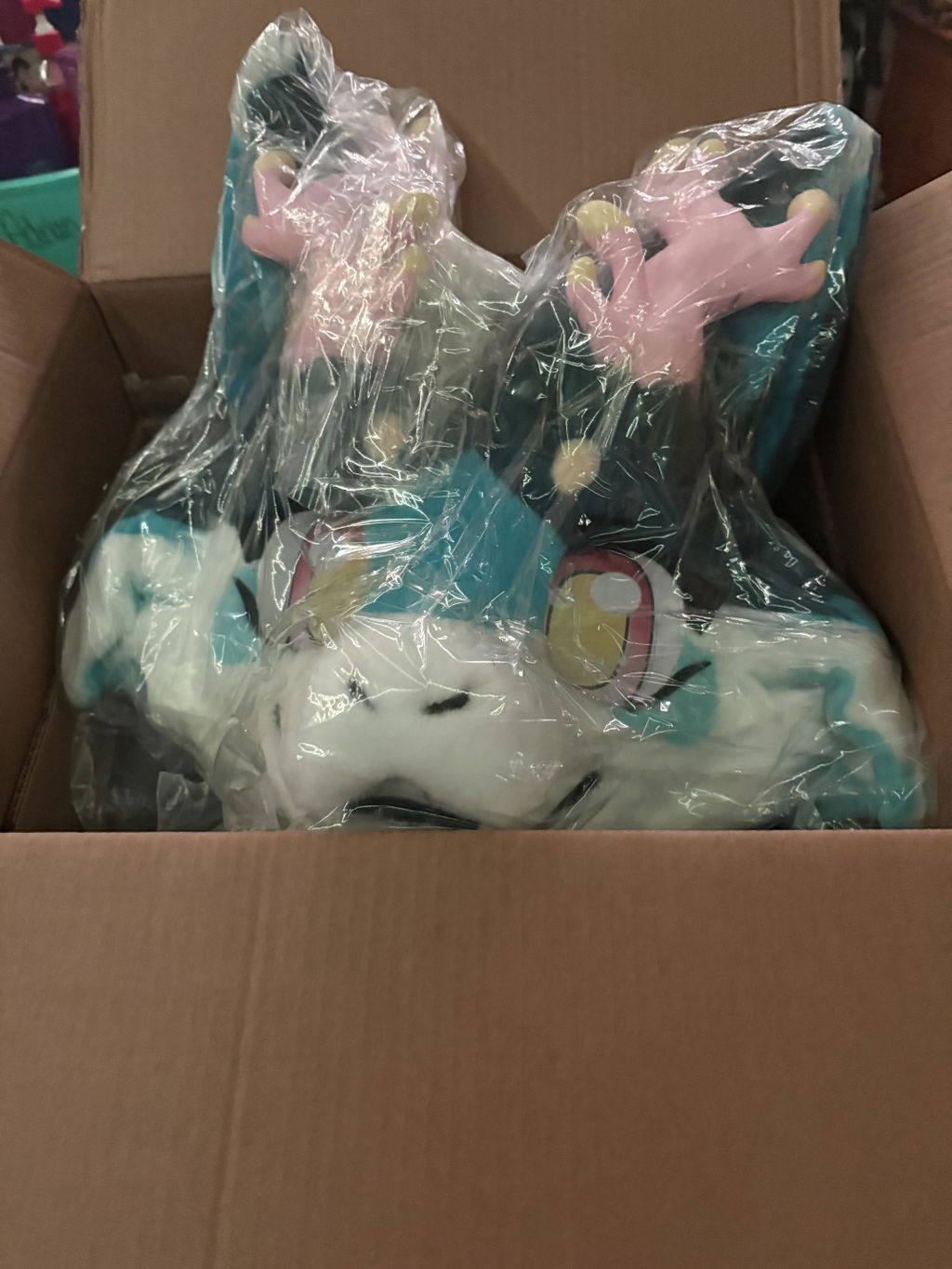
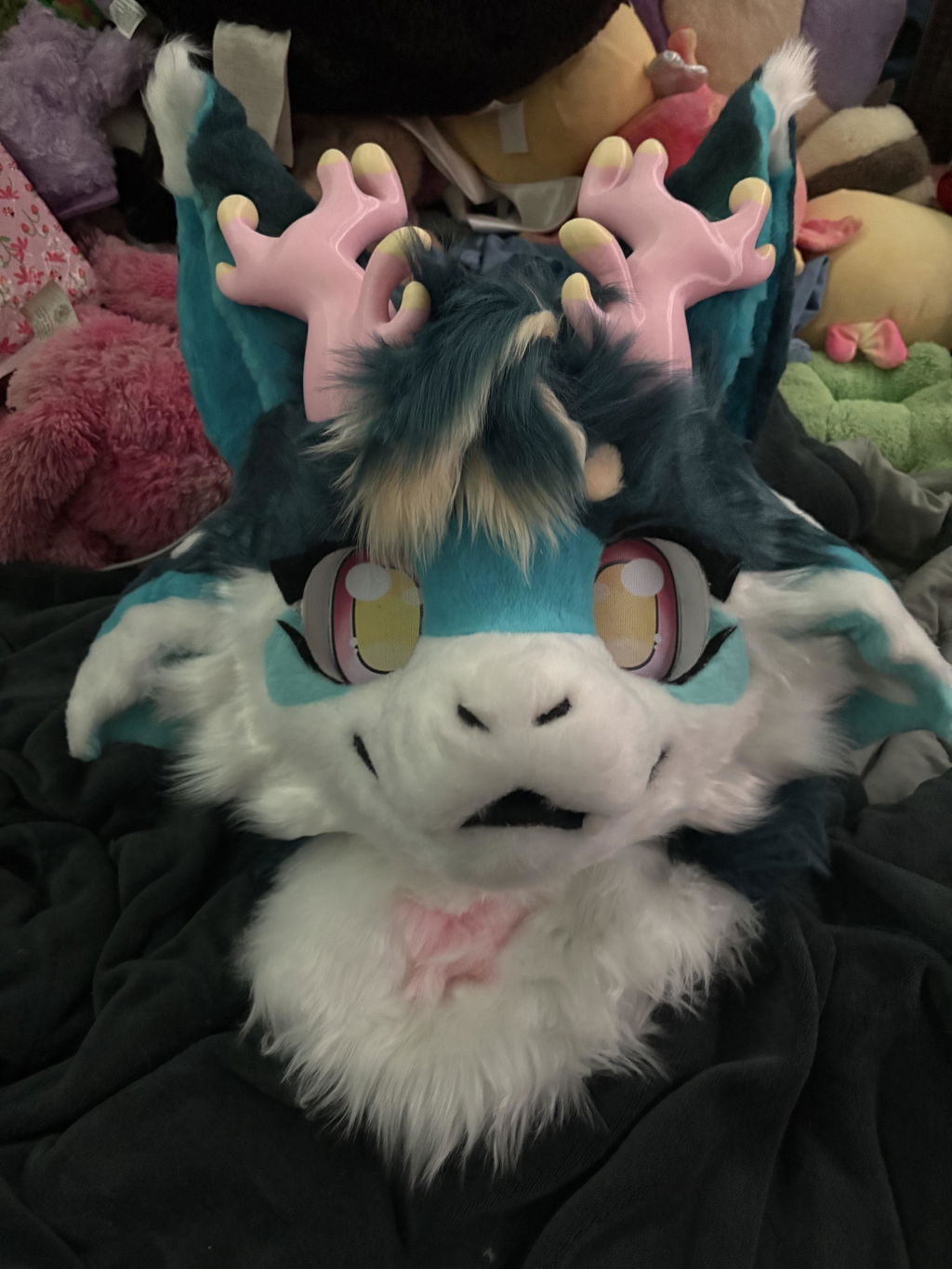
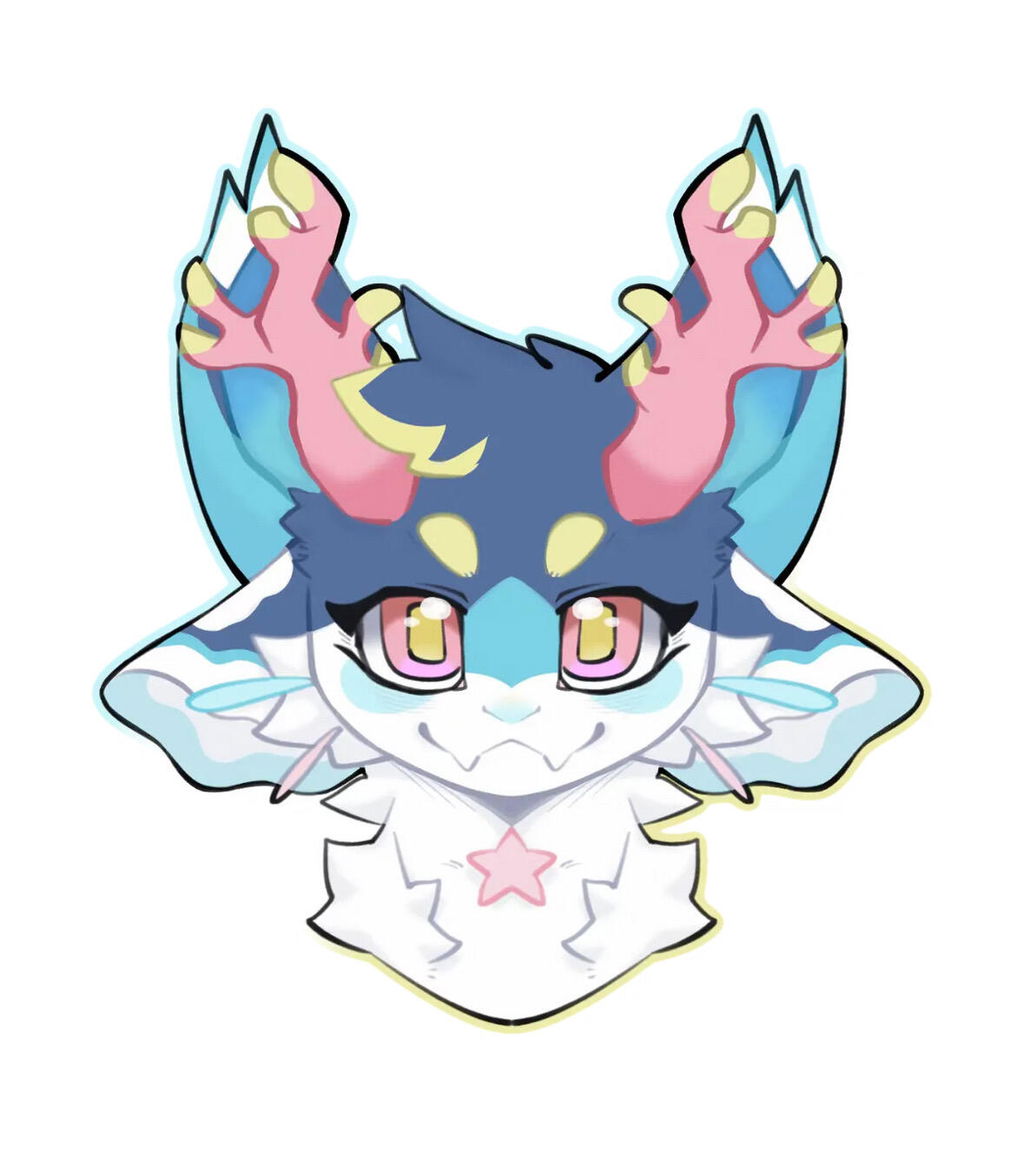
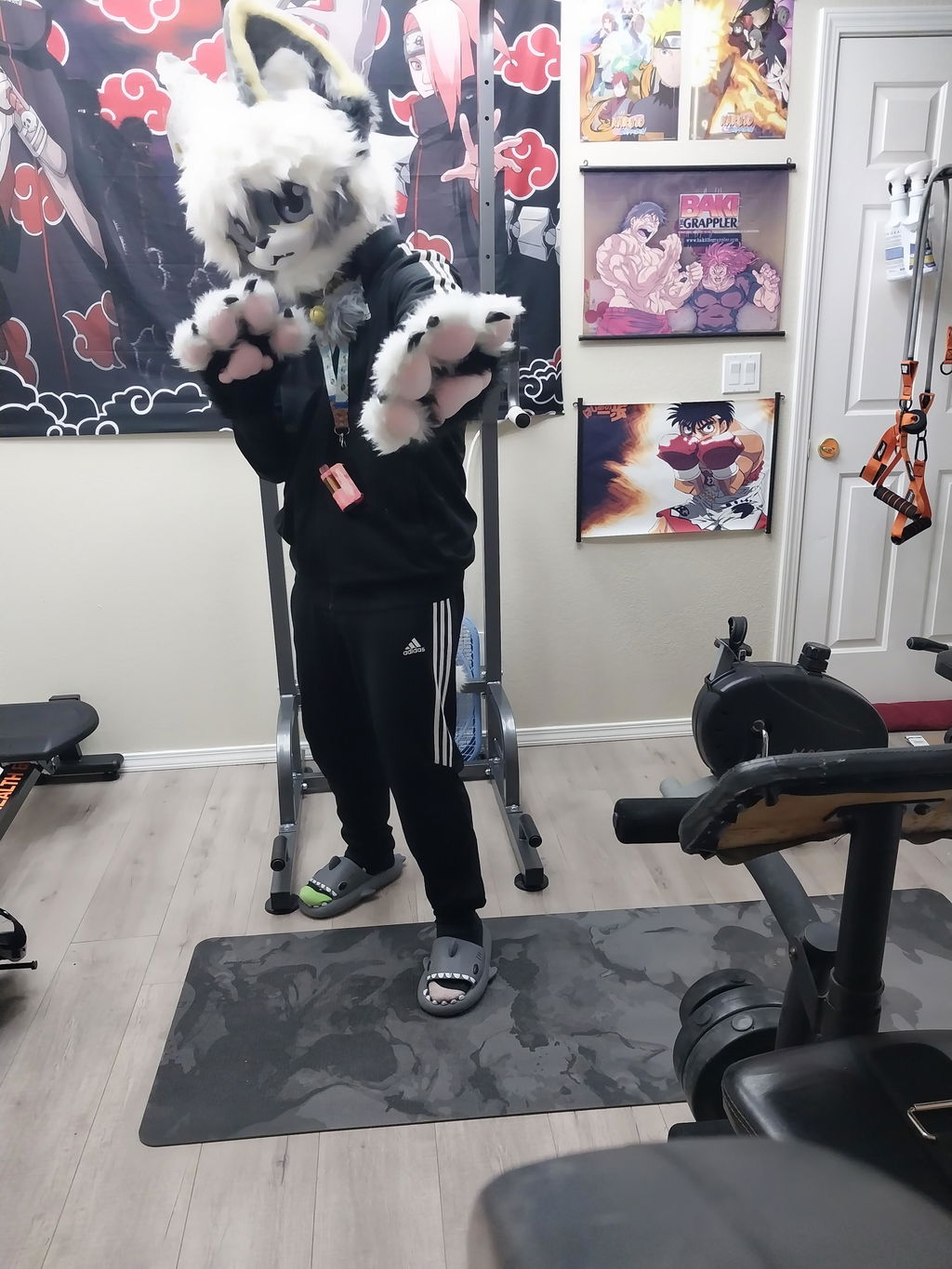
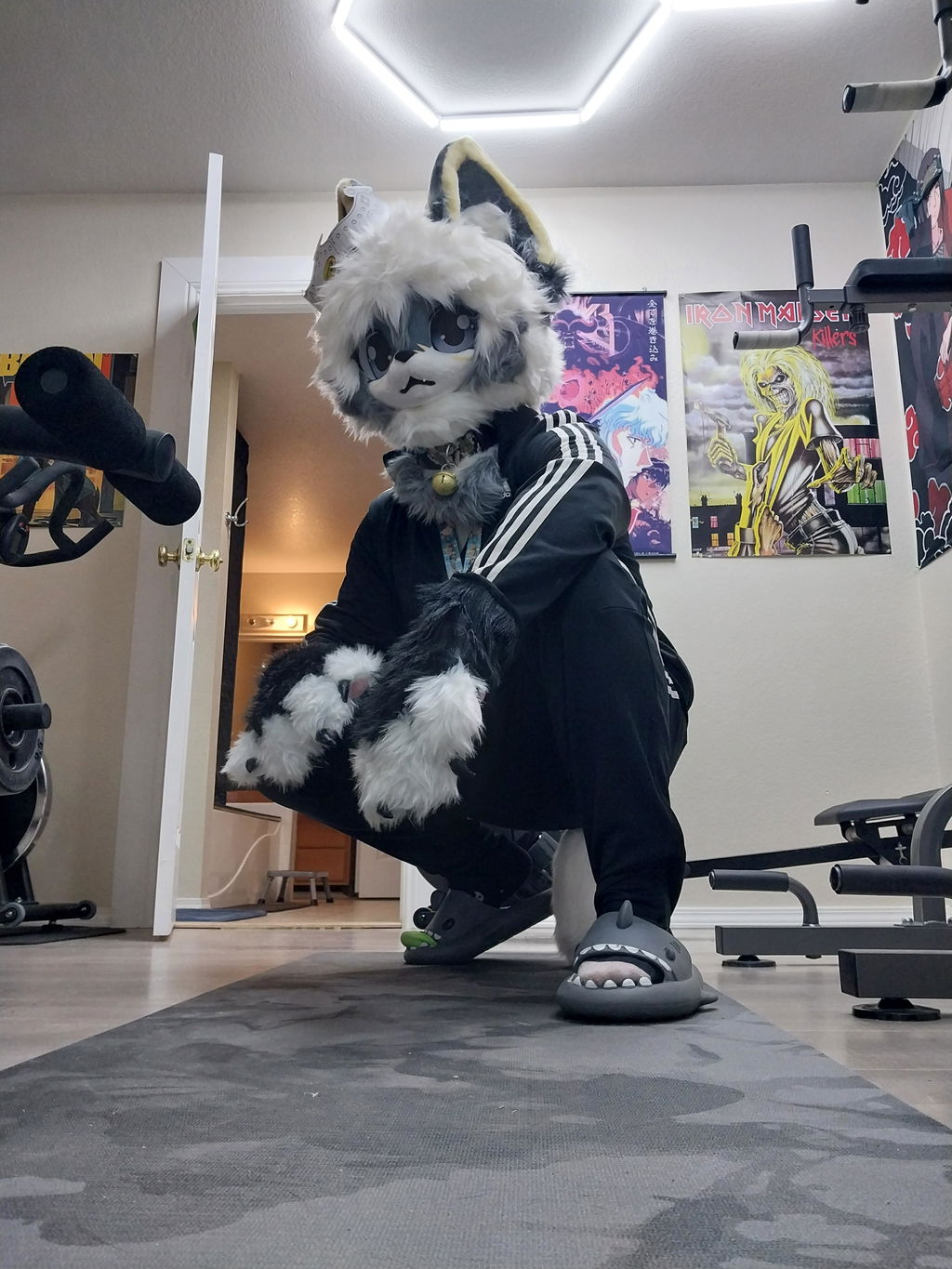
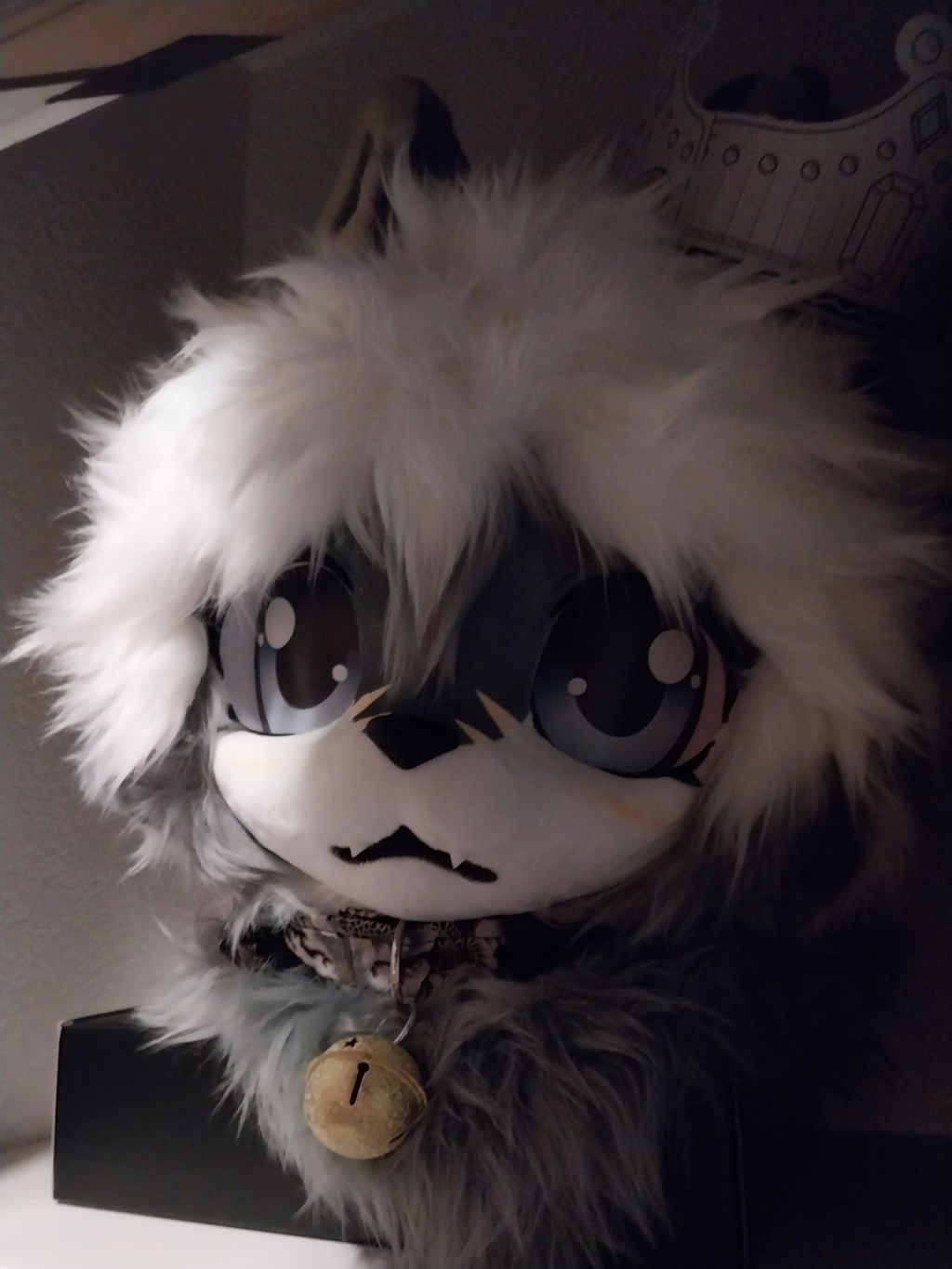
A kemono fursuit can look wonderfully simple at first glance: a soft face, expressive eyes, rounded proportions, and a character that seems ready to step out of an illustration. Choosing one thoughtfully is less simple. The visual style is only one part of the decision. You also need to consider how the character will read from a distance, which pieces suit the way you plan to wear it, what fit information matters, and how you will handle comfort and care.
This guide is for the person who has saved a folder of favorite characters but still feels unsure about what to compare. It begins with the decisions that protect your comfort and character concept. Product browsing comes later, once you have a useful checklist. That order helps you choose because a suit fits your goals, not just because one photo caught your eye.
Recognize the kemono look before comparing suits
Imagine that you are comparing three appealing heads for your first convention. One has a compact muzzle and rounded cheeks, another has a long cartoon muzzle, and the third follows more natural animal anatomy. All three may be beautiful, but they create different silhouettes and expressions. Before deciding which one feels right, look at the whole design language rather than one feature.
Kemono is commonly used for a Japanese-influenced furry character aesthetic. Individual makers interpret it differently, so the label does not guarantee one fixed head shape or construction method. In practice, the style is often communicated through a coordinated group of choices: a shorter-looking muzzle, smooth facial shapes, large expressive eyes, tidy markings, and proportions that lean cute or illustration-like. The useful fact is that style names are categories, not technical specifications. Photos and written details must still be reviewed suit by suit.
Use this visual check when you compare options:
- View the head from the front, side, and three-quarter angle; a single front photo can hide the muzzle profile.
- Notice whether the eyes, cheeks, nose, and ears feel like one coherent character rather than separate dramatic features.
- Check how the expression reads in neutral lighting, not only in a posed promotional image.
- Compare the head with the paws and tail, because scale differences can change the overall impression.
- Ask whether you want a gentle, mischievous, elegant, sleepy, or energetic presence before choosing colors.
For a broader visual reference, compare the dedicated kemono collection with the toony collection. Looking at both groups side by side can make your preference clearer than trying to memorize definitions.
Start with your real wearing scenario
Suppose your main goal is to attend a busy indoor convention, take photos with friends, and wear the character for short sessions. Your needs are different from those of someone creating seated videos at home or performing outdoors with a handler. The right buying decision begins with the situation in which the suit will actually be used.
A fursuit head limits some combination of peripheral vision, hearing, airflow, and facial communication because it covers the wearer’s head. The degree varies by design, which is why you should never infer comfort from style alone. Plan for breaks and use a trusted handler in crowded or unfamiliar places. If you wear glasses, have heat sensitivity, or need specific mobility accommodations, raise those needs before committing.
Write a one-sentence use statement, then build requirements around it. For example: “I want a partial suit for indoor convention photos, worn for short sessions with a friend nearby.” From that sentence, create a practical list:
- Where will you wear it: indoors, outdoors, on stage, or mainly at home?
- How long do you expect each wearing session to be before a break?
- Will a handler be available to help with navigation, water, and crowded spaces?
- Do you need room for glasses, particular footwear, or an accessibility aid?
- Will you travel with the suit, and what pieces can you safely pack?
Bring these answers into every comparison. DokiDoki organizes different style and format pages, but a collection name cannot answer personal fit or access questions. Your scenario is the filter that turns a large catalog into a manageable shortlist. It also gives you a clear reason to reject an attractive option that would be difficult to wear in your real setting.
Choose a head, mini partial, partial, or fuller set
Picture two first-time buyers with the same character. One already owns coordinated clothing and wants a head plus a few expressive pieces. The other wants a more continuous animal silhouette in full-body photos. They should not automatically order the same format. The number of included pieces affects appearance, storage, dressing time, care, and how easily you can adapt the character to different events.
“Partial” is a broad shopping term rather than a universal contents list. One listing may include a head, hand paws, and tail; another may add feet or other pieces. A mini partial can also vary. Treat the exact contents stated for the individual listing as authoritative, and ask when the contents are unclear. Never assume that clothing or accessories shown in styled photographs are included.
Use this format checklist:
- Choose a head-focused option if facial performance and easy outfit changes matter most.
- Consider a mini partial when you want the character’s face and key accents with lighter transport needs.
- Consider a partial when paws and a tail are important to the silhouette but you still want clothing flexibility.
- Consider a fuller set when continuous coverage is central to your photos or performance concept.
- List every expected piece in writing and compare that list with the product description before ordering.
You can review the store’s partial fursuit collection to see how coordinated pieces change the overall read. When browsing a specific design, focus on what is actually named as included. DokiDoki’s in-stock Wash Painting Kemono Fursuit is one current product you can use for visual comparison, but its own page remains the source for its contents. If the Wash Painting Kemono Fursuit inspires your palette, still judge its format against your written scenario rather than appearance alone.
Evaluate character design beyond a favorite color
Imagine choosing a pastel palette because it looks perfect on your phone, then discovering that the facial markings disappear in convention photos taken from several steps away. A successful character needs more than attractive colors. It needs a readable focal point, a clear expression, and markings that work across angles and lighting conditions.
Contrast is relational: a color can appear lighter, darker, warmer, or cooler depending on the colors beside it and the light around it. Screens also vary, so a digital reference is not a material guarantee. Use your reference sheet to communicate placement and priority, but expect a maker or seller to rely on available materials and the terms stated for the order.
Build a compact design brief before you shop or discuss customization:
- Choose three character words, such as “gentle, curious, dreamy,” to guide expression decisions.
- Mark the features that must remain recognizable from a distance, such as eye shape, ear tips, or a cheek marking.
- Separate essential markings from optional details so the design has a clear hierarchy.
- Check front, side, and back views for continuity, especially around ears, neck, and tail.
- Test the palette in bright and dim viewing conditions, while remembering that screens cannot confirm fur color.
If you are buying premade, compare the existing design to your brief instead of mentally redesigning it after purchase. If you are exploring a custom path, ask which elements can be changed and get the agreed scope in writing. DokiDoki can be part of your shortlist, but a disciplined brief should lead the conversation. It prevents one cute detail from overriding the expression and use case you actually want.
Check fit, vision, and movement before committing
Now imagine that a head looks ideal and the pieces coordinate beautifully, but you have not checked how it is sized. This is where a visual favorite must become a practical candidate. Fit influences stability, sightline alignment, movement, and whether you can wear needed eyewear. Aesthetic photos cannot establish those details.
Human bodies and wearing preferences vary, and there is no single measurement that proves every aspect of fit. The seller’s stated sizing method and the construction of the individual item matter. Take measurements according to the provided instructions, use a flexible tape where requested, and do not add or subtract allowance unless the seller tells you to. If a measurement sits near a stated boundary, ask rather than guessing.
Before purchase or final confirmation, work through this list:
- Confirm which head measurement is required and whether glasses can be accommodated.
- Ask where the wearer looks through the eyes and whether unobstructed sample views are available.
- Check how the head is secured and whether the method is adjustable.
- For paws and feet, confirm requested hand, shoe, or foot measurements and the intended footwear setup.
- For body coverage, follow the seller’s measurement or duct-tape-dummy instructions exactly.
- Ask how any long ears, hair, horns, or tail should be supported and packed.
Once the suit arrives, make the first wear a controlled home test with another person present. Clear the floor, keep the session short, practice doorways and turns, and identify blind spots. Do not make a crowded event the first time you learn how the character moves. Practical testing protects both the wearer and the suit. Record any pressure point or shifting before the next test instead of hoping it disappears during a longer session.
Plan comfort, packing, and care before the first event
Your first event day should not begin with a hurried search for a brush, a repair item, or a safe place to store the head. Imagine arriving after travel: the suit has been packed for hours, the room is warm, and your photo meetup begins soon. A simple routine will do more for the experience than adding another decorative accessory.
Synthetic fur and other costume materials can be affected by heat, friction, moisture, crushing, and unsuitable cleaning methods. Construction differs between suits, so care instructions from the maker or seller take priority over generic advice. Do not apply high heat, soak components, or use an unapproved cleaner simply because it worked for someone else’s costume.
Prepare an event and care kit with only items appropriate for your suit:
- Water for the wearer, planned breaks, and a handler communication plan.
- A clean base layer and a change of clothing for after the wearing session.
- A breathable way to separate damp worn items from clean pieces during the trip home.
- A maker-approved brush and basic repair supplies you already know how to use.
- A rigid or protected packing space that prevents the head and eye area from being crushed.
- The specific cleaning and drying instructions saved where you can find them quickly.
After wearing, inspect high-contact areas and allow components to dry as instructed before closed storage. Deal with small tangles or loose details early, without pulling or improvising a structural repair. Use the fursuit care guide as a store-specific starting point, then keep any instructions supplied with your exact piece. General guidance is useful, while the needs of the individual construction remain decisive.
Use a final buying checklist and pause when details are unclear
Consider the moment just before checkout or a commission agreement. Excitement makes it easy to focus on the character image and skim everything else. This is the best time to slow down. A short written review can catch uncertainty about included pieces, measurements, care, timing, or communication before it becomes a problem.
A product page records the offered item at the time you view it, while custom work depends on an agreed scope. Save the relevant description and written conversation for reference. Policies and availability can change, so read the current store information rather than relying on an old screenshot shared by someone else. If an answer affects fit or included pieces, keep it with your order notes.
Do not proceed until you can answer each point:
- Does the kemono fursuit match your three character words and intended expression?
- Is the exact set of included pieces clear in writing?
- Have you supplied measurements in the requested format without guessing?
- Have you discussed vision, glasses, mobility, and other personal wearing needs?
- Do you understand the current order terms, care instructions, and communication process?
- Can you store, transport, wear, and dry every included piece safely?
The strongest choice is not necessarily the most elaborate design. It is the one whose style, format, fit process, and care needs you understand well enough to enjoy. Browse only after you have those priorities written down, and give yourself permission to ask questions. A kemono fursuit should support the character you want to share and the real way you plan to wear it.