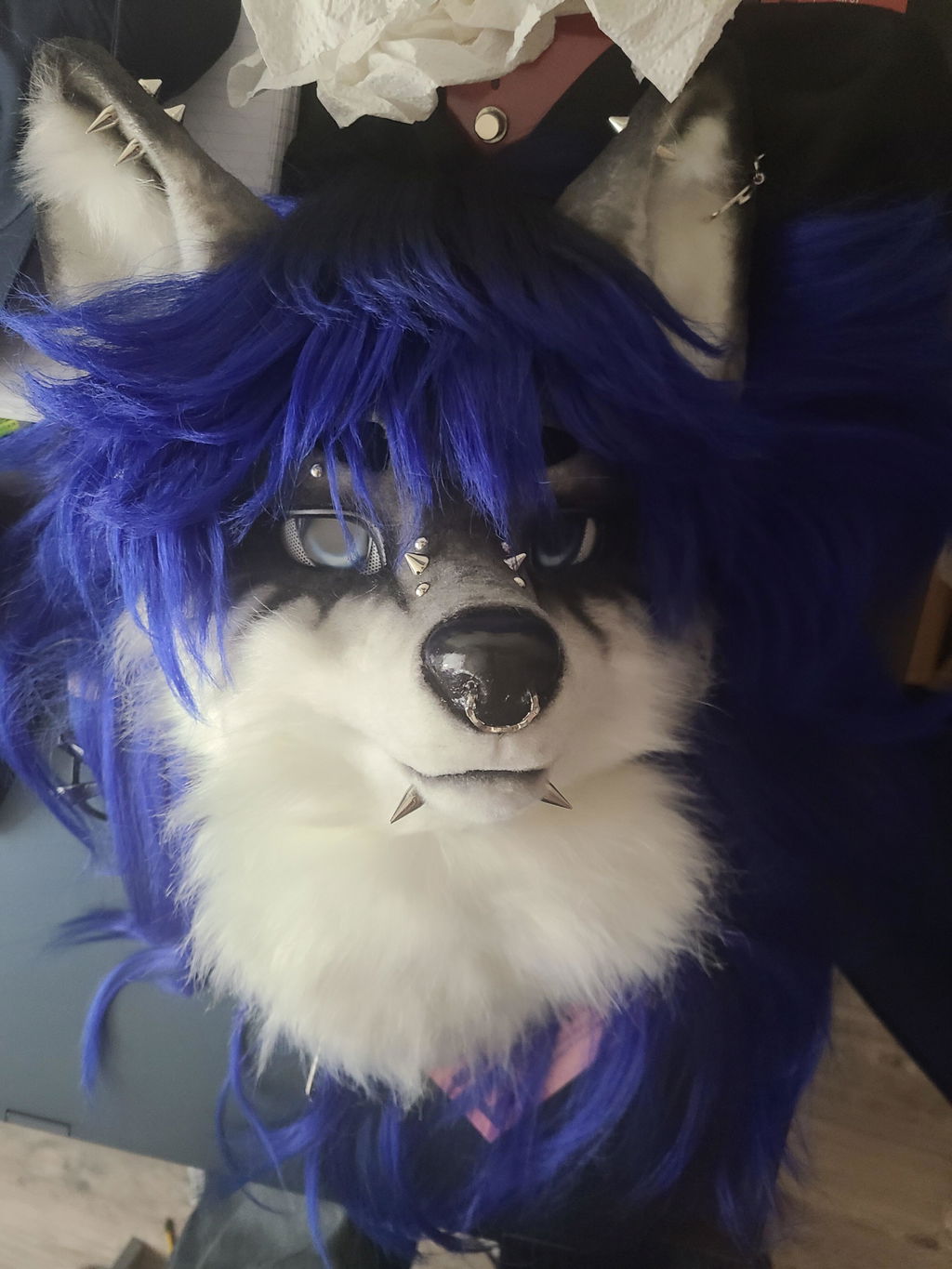
A Japanese fursuit can look wonderfully soft, expressive, and character-focused, but choosing one takes more than finding a cute face. The phrase can describe several related aesthetics, especially kemono-inspired animal suits and kig-inspired designs that blend anime styling with furry character features. Their proportions, eye shapes, facial structure, padding, and wearing experience can differ significantly from many Western toony or realistic suits.
If you are comparing your first suit, planning a convention outfit, or translating an original character into a wearable design, start with the experience you want rather than the label alone. Think about how you want to move, what expressions should read clearly in photos, how much coverage you need, and how long you expect to wear the character at one time. This guide will help you turn those questions into a practical brief before you buy or commission anything.
Choose a Japanese fursuit style for the way you will use it
Real situation: imagine that you love the rounded face of a kemono character online, but your main goal is energetic convention performance. A beautiful reference image does not tell you how the head feels while walking through a crowded hallway, posing under bright lights, or communicating with limited facial movement. The right style must work in those situations as well as in a product photo.
Actionable advice: write down your three most common use cases before comparing designs. For example, you might prioritize convention wear, indoor photography, short-form video, meetups, or quiet display. Then rank appearance, visibility, ventilation, weight, mobility, and durability for those uses. This keeps a trend or single visual detail from controlling the whole decision.
Useful fact: style names are not universal construction standards. Two makers may both use the word kemono while choosing different eye openings, muzzle lengths, head bases, padding methods, and body proportions. Evaluate the visible construction and supplied measurements instead of assuming that one label guarantees a particular fit.
- Choose kemono-inspired styling when you want soft animal features, compact facial proportions, and a polished character silhouette.
- Explore kig-inspired styling when anime-like facial design, hair, and a more human-shaped presentation are central to the character.
- Consider a partial suit when portability and easier movement matter more than a fully unified body silhouette.
- Choose a full suit only after confirming how padding, feet, hands, and head will work together.
Compare kemono, kig, toony, and realistic proportions
Real situation: a character sheet may look balanced in two dimensions but feel very different once the head, paws, feet, and body are worn together. Large eyes and a small muzzle can make a head feel visually bigger, while oversized paws or digitigrade padding can change the apparent height and stance of the wearer.
Actionable advice: compare full-body photos rather than judging heads in isolation. Look at the relationship between head width, shoulder width, paw size, leg shape, and tail placement. Save examples that match your preferred overall silhouette and annotate what you like. A note such as “rounded cheeks, short muzzle, medium paws, slim legs” is more useful than simply writing “Japanese style.”
Useful fact: proportion strongly affects how viewers read a character. Rounded forms and large eyes often create a youthful, gentle impression; longer muzzles, smaller eyes, and more anatomical shaping can feel mature or realistic. Neither approach is inherently better—the correct choice is the one that supports your character.
- Kemono: often emphasizes rounded cheeks, short muzzles, smooth shapes, and large expressive eyes.
- Kig-inspired furry design: may combine an anime-like face, styled hair, and animal ears or markings.
- Toony: usually favors bold readable expressions and exaggerated shapes that perform well at a distance.
- Realistic: uses more anatomical proportions, natural markings, and detailed surface treatment.
DokiDoki carries examples across these directions. Comparing a Kemono Bunny with a Realistic Cheetah Fursuit makes the difference in facial structure and overall visual language easier to see.
Check visibility, ventilation, and communication before appearance details
Real situation: you are wearing a head at a busy event and need to notice stairs, identify your handler, and understand where people are standing for a group photo. In that moment, a tiny improvement in eye shape or cheek volume matters less than dependable sight lines and a safe wearing plan.
Actionable advice: ask where the wearer looks through the head, how large the effective field of view is, whether glasses can fit, and where fresh air can enter. If possible, request a wearer-view image. Plan to use a trusted handler in crowded or unfamiliar spaces, take regular breaks, and remove the head immediately if you feel dizzy, overheated, or disoriented.
Useful fact: a costume head naturally reduces peripheral awareness compared with an uncovered face. Fans can improve airflow, but they do not replace hydration, rest, or temperature awareness. Visibility also varies with eye construction, pupil placement, interior depth, and the position of your own eyes.
- Confirm the viewing area rather than judging visibility from the outside.
- Ask about internal padding and whether it can be adjusted or cleaned.
- Test head movement slowly before walking in a public area.
- Use a handler when navigating crowds, stairs, roads, or low obstacles.
- Carry water and schedule out-of-suit cooling breaks.
For warm environments or longer sessions, a purpose-built accessory such as a portable fursuit fan can be part of the comfort plan. Treat it as one tool rather than a reason to extend a session beyond what feels safe.
Measure for fit without guessing from everyday clothing sizes
Real situation: a buyer normally wears a medium hoodie and assumes the same label will work for a body suit, paws, feet, or head. The finished costume then pulls at the shoulders, shifts while walking, or leaves too little room for cooling layers. Everyday size labels cannot describe all the measurements involved in a costume.
Actionable advice: follow the maker's measurement sheet exactly and have another person take the measurements. Wear the same underlayers you intend to use with the suit. Record values twice, keep the tape level, and do not pull it tight enough to compress the body. For a custom body, ask whether a duct-tape dummy or another fitting method is required before placing the order.
Useful fact: mobility depends on more than circumference. Torso length, shoulder width, rise, arm length, leg length, foot size, and planned padding can all affect the finished range of motion. Head fit also depends on head circumference, chin position, glasses, hair volume, and internal padding.
- Measure head circumference and note whether you wear glasses.
- Record shoulder, chest, waist, hip, torso, arm, and inseam measurements as requested.
- Trace feet according to the maker's instructions instead of providing shoe size alone.
- Tell the maker about mobility needs, orthotics, sensory concerns, or removable padding.
- Never intentionally reduce a measurement to request a tighter-looking result.
An appropriate underlayer can make dressing and cleaning routines more consistent. DokiDoki's fursuit undersuit is one example to consider when planning what will sit between the wearer and the costume.
Turn your character reference into a construction-ready brief
Real situation: an artist draws dramatic gradients, tiny facial markings, floating hair shapes, and accessories that look excellent on screen. A maker must translate those details into fur direction, fabric seams, shaving, fastening, and durable three-dimensional forms. Without priorities, the result may technically include every detail but lose the character's most recognizable features.
Actionable advice: prepare front, side, and back views under neutral lighting. Label colors, materials, removable parts, asymmetrical markings, hair direction, paw-pad colors, eye details, and any features that must not change. Separate your notes into “essential,” “preferred,” and “optional.” If exact color matching matters, discuss physical swatches because screens display colors differently.
Useful fact: every seam, marking, and accessory adds construction decisions and maintenance needs. Simplifying a low-priority marking can make a more important silhouette or expression easier to preserve. Clear references also reduce interpretation and make approval conversations more specific.
- Provide clean turnaround views without dramatic perspective.
- Include close-ups for eyes, paws, markings, and accessories.
- State whether hair, eyelids, tongues, or accessories should be removable.
- Identify the three features that make the character recognizable.
- Confirm permission to use any artwork submitted as a construction reference.
If your concept is still evolving, review the commission process only after you understand the scope, payment stage, and information required. DokiDoki should be part of the solution after your brief is ready—not a substitute for deciding what your character needs.
Evaluate materials and finish through maintenance needs
Real situation: a pale face, long pile fur, dark paw pads, and styled hair all look clean when new, but they encounter makeup transfer, dust, friction, sweat, and repeated packing. A buyer who chooses only by first-day appearance may be surprised by the care routine required to keep those details sharp.
Actionable advice: ask for care instructions before purchasing. Learn which parts are removable, whether electronics are present, how the interior should be cleaned, and how brushed or shaved areas should be maintained. Create a small care kit and test every cleaning product on an inconspicuous area. Follow the maker's directions over generic online advice because adhesives, paints, fabrics, and electronics differ.
Useful fact: heat and aggressive mechanical action can damage many synthetic costume materials, adhesives, coatings, and styled fibers. Moisture trapped during storage can also create odor and material problems. Thorough drying and breathable storage are therefore part of routine ownership, not optional finishing steps.
- Brush gently in the direction recommended by the maker.
- Spot-clean early instead of allowing stains to set.
- Keep electronic parts away from water unless explicitly designed for it.
- Dry every component completely before closing a storage container.
- Support the head so the face, ears, and hair are not crushed.
A Japanese fursuit with a smooth kemono face may include carefully shaved transitions that deserve patient handling. Build maintenance time into your event plan just as you would build in travel, dressing, and cooling time.
Use a final buying checklist before placing an order
Real situation: you find a design that feels perfect and worry that someone else will buy it first. Excitement can make it easy to skip questions about included parts, sizing, processing stages, shipping, care, or what happens if a premade head does not fit as expected.
Actionable advice: pause and review the complete listing, store policies, included components, measurements, customization limits, and delivery expectations. Save the product description and your written agreement. For commissions, confirm milestones, revision boundaries, payment terms, and the exact deliverables before paying. For premades, compare your measurements with the listed fit and ask questions before checkout.
Useful fact: a premade and a commission solve different problems. A premade lets you evaluate an existing design and may reduce creative uncertainty; a commission offers more control but requires a clear brief, production communication, and patience. The better value is the option that matches your timeline, character ownership goals, and tolerance for decision-making.
- Confirm whether the listing is a head, partial, full suit, or accessory.
- Check included paws, feet, tail, clothing, hair pieces, and electronics.
- Verify measurements, visibility information, and care requirements.
- Review payment, shipping, cancellation, and return terms.
- Keep a separate budget for underlayers, storage, cleaning, travel, and repairs.
When you are ready to compare an actual Japanese fursuit direction, a finished example such as the Wash Painting Kemono Fursuit can help you discuss color, silhouette, and included components with more precision. The goal is not to copy another character; it is to learn how your preferences translate into a wearable result.
Make the decision around your character, comfort, and real routine
Real situation: two suits may both look appealing, but one supports your movement, storage space, care habits, and event plans while the other mainly matches a passing visual trend. The first is more likely to remain enjoyable after the initial excitement fades.
Actionable advice: return to your original use cases and score each option against them. Ask whether you can wear it safely, maintain it consistently, transport it without damage, and recognize your character in the final design. If a major question remains unanswered, wait and ask. A careful pause is cheaper and kinder than trying to correct a fundamental mismatch later.
Useful fact: the best costume is not automatically the most detailed or expensive one. It is the one whose design, fit, construction, and ownership routine work together for the wearer. DokiDoki can provide options and examples, but your daily reality should make the final choice.
- Choose the style that communicates your character at a glance.
- Protect visibility, breathing room, and mobility before decorative extras.
- Use exact measurements and a construction-ready reference.
- Verify every included component, policy, and internal link before ordering.
- Plan care, storage, cooling, and handling before the first event.
A thoughtful Japanese fursuit purchase begins with good questions. Once you understand the style vocabulary and your own needs, it becomes much easier to compare kemono, kig-inspired, toony, realistic, partial, and full-suit options without being pulled in every direction by labels alone.