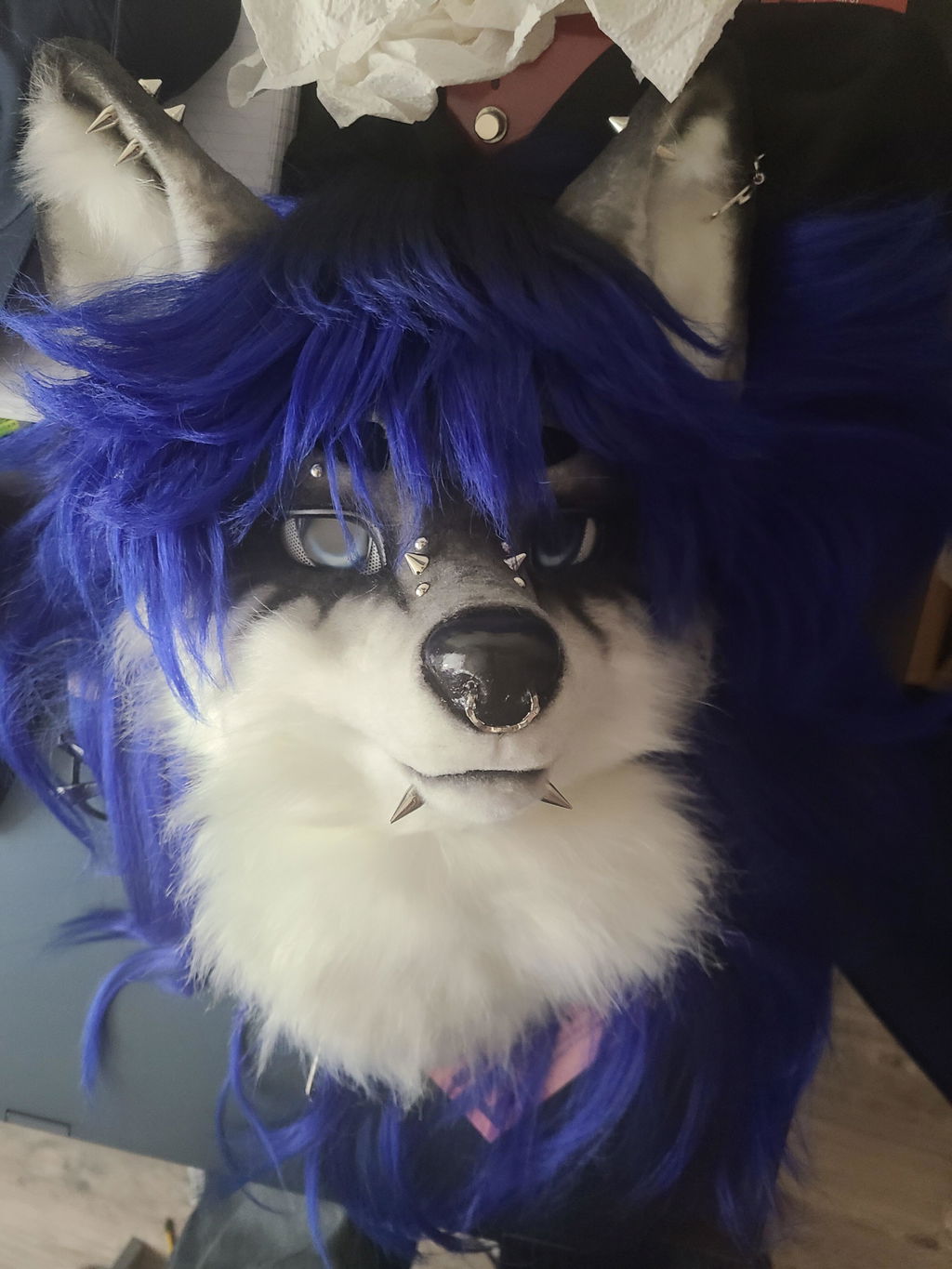
A realistic fursuit can make a character feel as though it has stepped out of a wildlife photograph, a fantasy film, or your own carefully developed reference sheet. That visual impact is exciting, but it can also make shopping difficult. A convincing face is only one part of the decision. You still need to know whether the species reads correctly, whether the expression fits your character, which pieces are included, what information is available about fit, and how the suit will work in the places where you plan to wear it.
The most useful approach is to turn admiration into a clear comparison process. Instead of asking which option looks most impressive in a single image, ask which one supports your character and your actual plans. This guide walks through that process without assuming that a product title, style label, or photograph can answer questions it does not address.
Define What Realistic Means for Your Character
Real scenario: you want a wolf character that feels believable, but your saved references include a natural wolf, a fantasy creature with bright markings, and a highly expressive mascot face. All three can be appealing, yet they point toward different design choices. If you use the word realistic without explaining what you mean, your shortlist can become inconsistent before you compare fit or format.
A useful fact from the DokiDoki store structure is that realistic, toony, kemono, and kig are separate collections. That separation shows that realistic is being used as a style category, not as another word for every fursuit. It does not create a universal definition, so visible features still matter more than the label alone.
- Write down the species and any subspecies or breed reference that matters.
- Decide whether the colors should be natural, fantasy-based, or a controlled mix.
- Choose an expression range: calm, alert, friendly, fierce, or neutral.
- Note whether you prefer close animal proportions or a more wearable interpretation.
- List the three visual features that must remain recognizable from a distance.
Use the realistic fursuit collection as a visual comparison board. Look across several species before deciding what the label means for you. Pay attention to the relationship between the eyes, muzzle, ears, cheeks, and markings rather than judging realism from color alone.
Build a Species Reference That Guides Decisions
Real scenario: your fursona is a red panda, and you find several beautiful animal references with different lighting, ages, poses, and seasonal coats. If you copy one feature from every image, the final concept may lose the visual pattern that makes the species immediately readable.
The catalog includes products titled Realistic Red Panda Partial Fursuit and Abyssinian Cat Realistic Fursuit. Those titles are defensible evidence that realistic designs can be organized around a specific species or breed. The names do not tell us how either item is constructed or fitted, but they demonstrate why precise animal references are more useful than a broad request for an animal-like look.
- Choose one primary reference for overall proportions and markings.
- Add a front view and profile view of the same species when possible.
- Label the features that make the animal recognizable, such as ear shape or muzzle length.
- Separate required character markings from optional decorative details.
- Check whether fantasy colors preserve enough contrast to keep the facial pattern readable.
- Write notes beside images so the reason for each reference is clear.
A small, annotated reference set is easier to use than a folder of unrelated pictures. It also helps you evaluate ready-made designs: you can compare the same features in the same order instead of relying on a general feeling that one option looks more realistic.
Compare the Face from More Than One Angle
Real scenario: a fursuit head looks convincing in a three-quarter portrait, but you plan to use it for front-facing videos and profile photographs. A single flattering angle cannot show how the muzzle projects, how the ears sit, or whether the expression remains consistent as the wearer turns.
DokiDoki lists heads as a distinct shopping category as well as offering partial and full-character formats. That catalog structure supports a practical point: the head deserves its own evaluation because it carries much of the species, expression, and character recognition. It does not prove anything about a particular head, so your judgment should stay tied to the images and written information on the exact listing.
- Look for front, profile, three-quarter, and slightly elevated views.
- Compare eye placement and apparent gaze direction across angles.
- Check whether the muzzle length suits the species reference.
- Notice how cheek volume changes the expression from the front.
- Compare ear size, tilt, spacing, and attachment position.
- Mark any feature you cannot evaluate from the available images.
Do not fill missing views with assumptions. If a listing lacks an angle that matters to your planned use, ask whether another image is available. When two options are close, create a four-column sheet for front, side, expression, and unanswered questions. That simple layout makes differences much easier to see.
Choose Head, Partial, or Full Suit Around Your Use
Real scenario: you mainly want close portraits and convention meetups, but you begin comparing only full suits because they seem like the most complete choice. Another person may need coordinated full-body images and discover that a head alone leaves too many design decisions unresolved. The right format depends on what the character needs to do.
The store catalog separates fursuit heads, partials, paws, tails, feet, and complete character listings. It also includes a product titled Realistic Black Scottish Terrier Fursuit Head. The title establishes that a realistic design can be offered as a head rather than automatically as a larger set. It does not establish what accompanies that item, so the exact listing remains the source for included pieces.
- Choose a head-focused option when portraits and facial recognition are your priority.
- Consider a partial when your planned outfits can coordinate with the visible character pieces.
- Consider a full suit when full-body continuity is essential to the concept.
- List every piece you need before comparing packages.
- Account for transport, storage, dressing, and assistance at your usual venue.
- Confirm included components in writing instead of relying on the word partial or full.
Sketch or describe three typical uses: a profile photo, a convention hallway meeting, and a full-body character pose. Then write the pieces each use requires. This reveals whether a larger package actually solves your needs or simply adds components you have not planned to use.
Ask Fit Questions That Match the Format
Real scenario: you send a seller your height and assume that is enough, even though you are considering a head and hand paws. Height may be relevant to some garments, but it cannot describe every body area involved. Each component needs questions suited to the way it is worn.
The catalog's separate component categories provide a defensible basis for treating fit as a set of questions rather than one number. A head, paw, foot, tail, partial, and body suit interact with different measurements and clothing layers. The existence of those categories does not tell you a specific product's sizing method; it tells you to ask instead of guessing.
- Ask which measurements are required for the exact item.
- Request instructions for how and where each measurement should be taken.
- Mention glasses, hearing devices, hairstyle needs, or other wear considerations.
- Confirm what clothing or footwear should be included when measuring.
- Ask whether the offered item is fixed-size, adjustable, or made to supplied measurements.
- Repeat the submitted measurements and units in one organized message.
Record answers beside the product URL so details from different listings do not get mixed together. If a critical measurement method is unclear, pause the comparison. A visually perfect design is not yet a suitable choice when you do not have enough information to evaluate how it will be worn.
Evaluate Visibility, Movement, and Event Needs
Real scenario: your favorite design is intended for posed outdoor photographs, but most of your actual wear will happen in busy indoor convention spaces. The environments ask different things of your awareness, movement, communication, and support plan. A style decision should not be separated from the setting.
One catalog title, Realistic Cheetah Fursuit (including inner fan), explicitly names a feature in the product title. That is useful as an example of evidence discipline: a named feature can be noted for that listing, while the same feature must not be assumed for other products that do not state it. Titles also cannot tell you how a feature performs for a particular wearer.
- Describe the busiest environment where you expect to wear the suit.
- Ask what views are available from the wearer's perspective.
- Plan how you will communicate with a handler or companion.
- Test turning, walking, sitting, and reaching in a controlled space first.
- Keep early wear sessions conservative while learning your limits.
- Stop and reassess whenever awareness, comfort, or movement feels inadequate.
These are planning steps, not promises about any product. Ask the seller for the information they can support, then make your own event plan around the answers. For public wear, identify a quiet location in advance and make sure someone you trust understands when you may need help exiting a crowded area.
Audit the Listing Without Inventing Missing Details
Real scenario: a strong lead photograph and a polished title make an item feel complete, but the page does not clearly answer one of your non-negotiable questions. It is tempting to infer the answer from similar products. That shortcut can turn an attractive image into an unsupported expectation.
DokiDoki's catalog records product titles and exact store URLs, while individual pages are where purchase-specific details must be checked. A title can support the species, style wording, or format it explicitly names. It cannot by itself verify materials, measurements, visibility, care methods, guarantees, or every included component.
- Save the exact title and URL of every shortlisted item.
- Copy confirmed details in the seller's own terms.
- Write not stated beside gaps instead of filling them from memory.
- Separate what is visible in a photograph from what is confirmed in text.
- Ask one numbered set of questions so each answer can be matched clearly.
- Remove an option when a non-negotiable remains unresolved.
Use three labels in your notes: confirmed, unclear, and not applicable. Avoid detailed numerical scores when the underlying information is incomplete. A simple evidence label makes it obvious which option is ready for comparison and which one still needs a question answered.
Create a Shortlist You Can Defend
Real scenario: after browsing for an evening, you have twelve tabs open and every design feels memorable for a different reason. You cannot explain which one best supports your character, so you keep reopening the same pages. A disciplined shortlist turns those reactions into a decision you can review later.
The verified DokiDoki sitemap includes both product and guidance pages, including a dedicated fursuit care guide. That provides a real next step for considering ownership after appearance and fit. It does not establish the care requirements of every item; always compare general guidance with the instructions supplied for the exact product.
- Keep no more than three options in the final comparison.
- Use the same columns for species match, expression, format, fit information, and open questions.
- Separate eligibility from preference: unresolved essentials should pause an option.
- Write one sentence explaining how each finalist serves your real use.
- Review transport, dressing, wear, storage, and care in sequence.
- Check that every saved answer still matches the correct product URL.
When you compare finalists, start with the requirements that can disqualify an option: wrong format, missing essential component, unsuitable expression, or unanswered fit question. Only then compare preferences such as color treatment or small styling details. This order prevents a striking photograph from hiding a practical mismatch.
A realistic fursuit is strongest when the animal reference, character expression, format, and wearing plan support one another. Define your version of realism, compare faces from several angles, ask component-specific fit questions, and document only what the listing or seller confirms. With that groundwork, your final choice can be exciting for clear reasons rather than simply being the last beautiful image you saw.