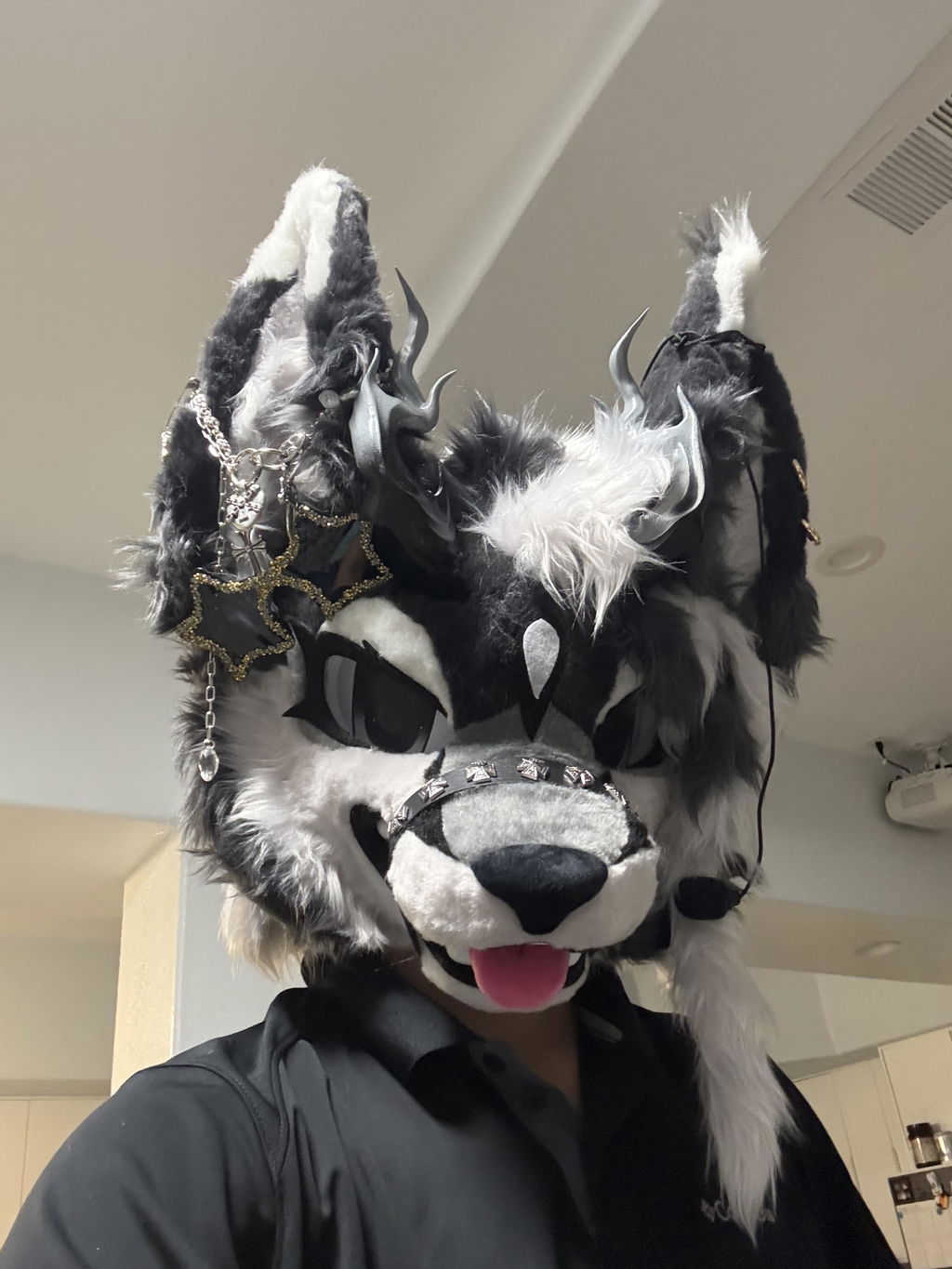
A toony fursuit is easiest to choose when you treat its bold proportions as a communication tool. Start with the character cue you want people to notice first, then check whether the head shape, color blocks, paws, and tail all support that cue. The result is a clearer buying plan than choosing by a style label alone.
Give the cartoon silhouette one job
Toony designs often rely on a readable outline. Decide what the outline should say before comparing listings: friendly, mischievous, energetic, gentle, or something else. Keep that choice concrete and visible in a quick sketch or sentence.
- Name the first feature someone should notice from a few steps away.
- Choose whether the head, ears, tail, or paws carries the strongest cue.
- Mark any color contrast that must remain visible in a group photo.
- Remove details that compete with the main expression.
This gives every candidate a fair test. A striking detail is useful when it reinforces the character, not simply because it is unusual.
Compare expression before decoration
When a toony fursuit has a strong face, expression should lead the comparison. Look at the relationship between the eyes, muzzle, ears, and markings. Ask which parts still read when the character is turned slightly or seen in a busy convention space. Decorations can finish the idea, but they should not have to rescue an unclear expression.
- Write the intended mood in three plain words.
- Identify the face feature that creates that mood.
- Check whether the ear and brow shapes support it.
- Choose accents only after the expression feels complete.
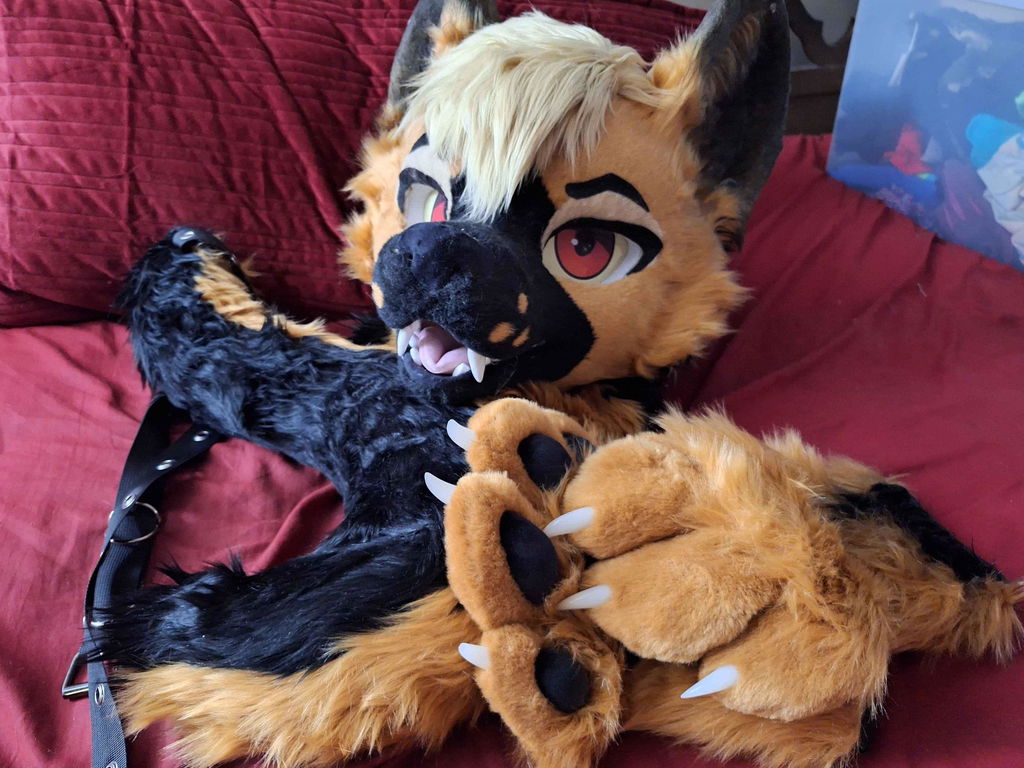
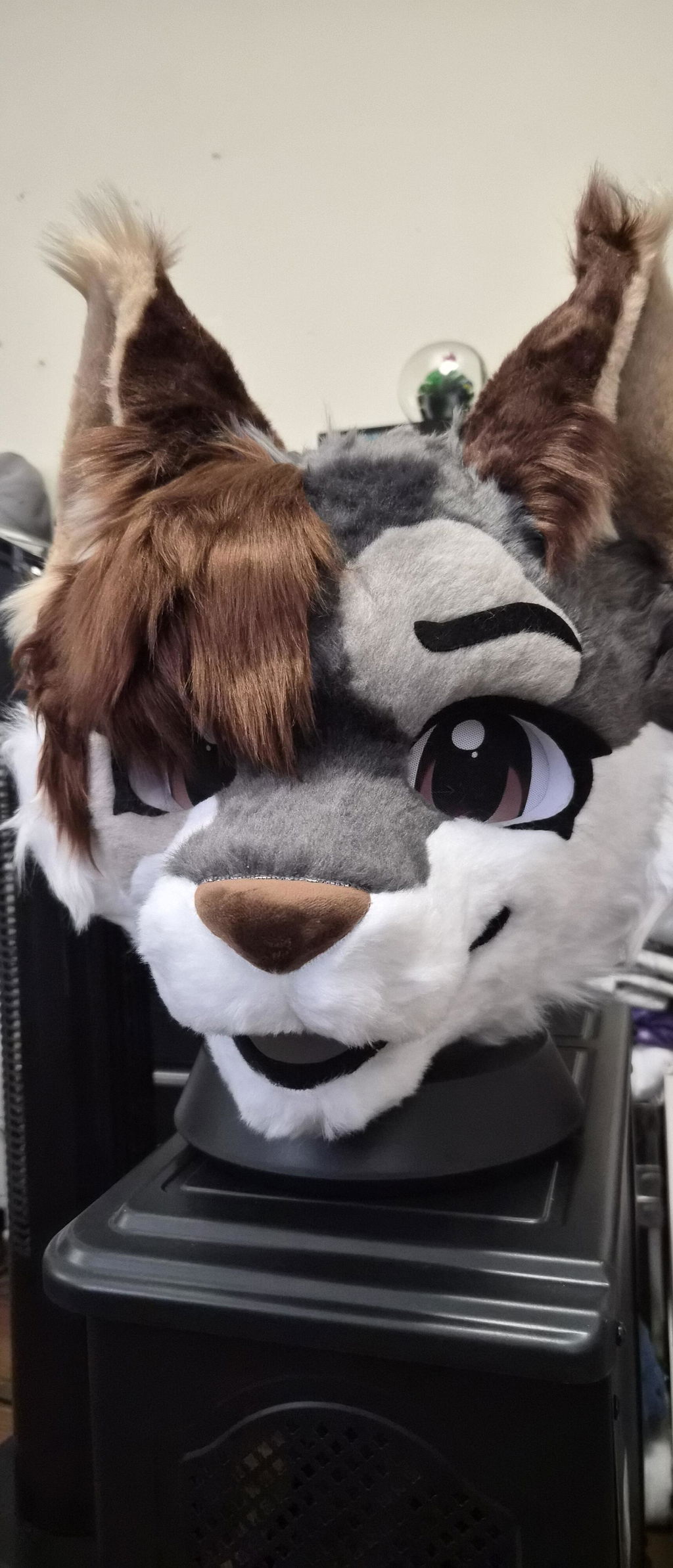
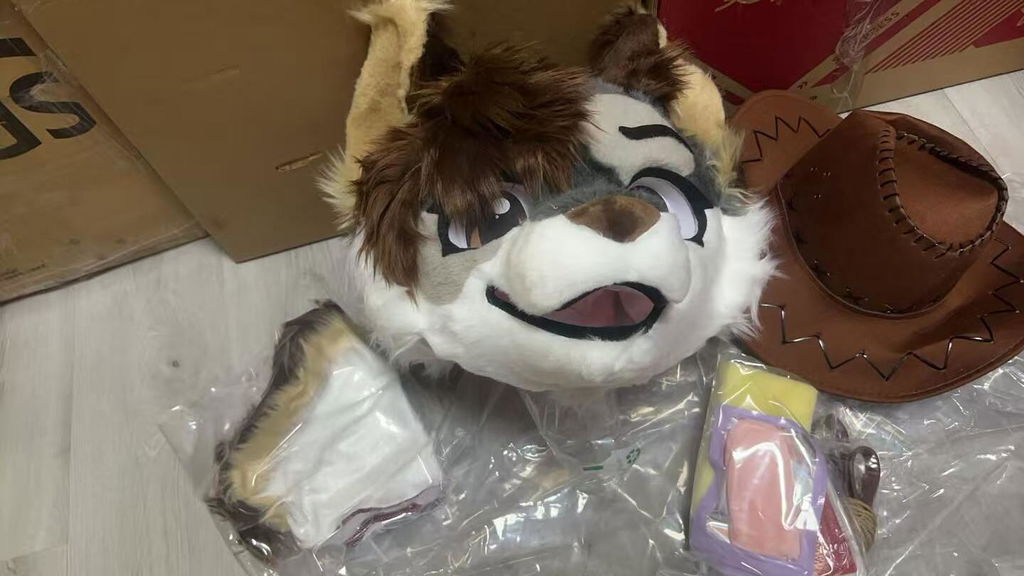
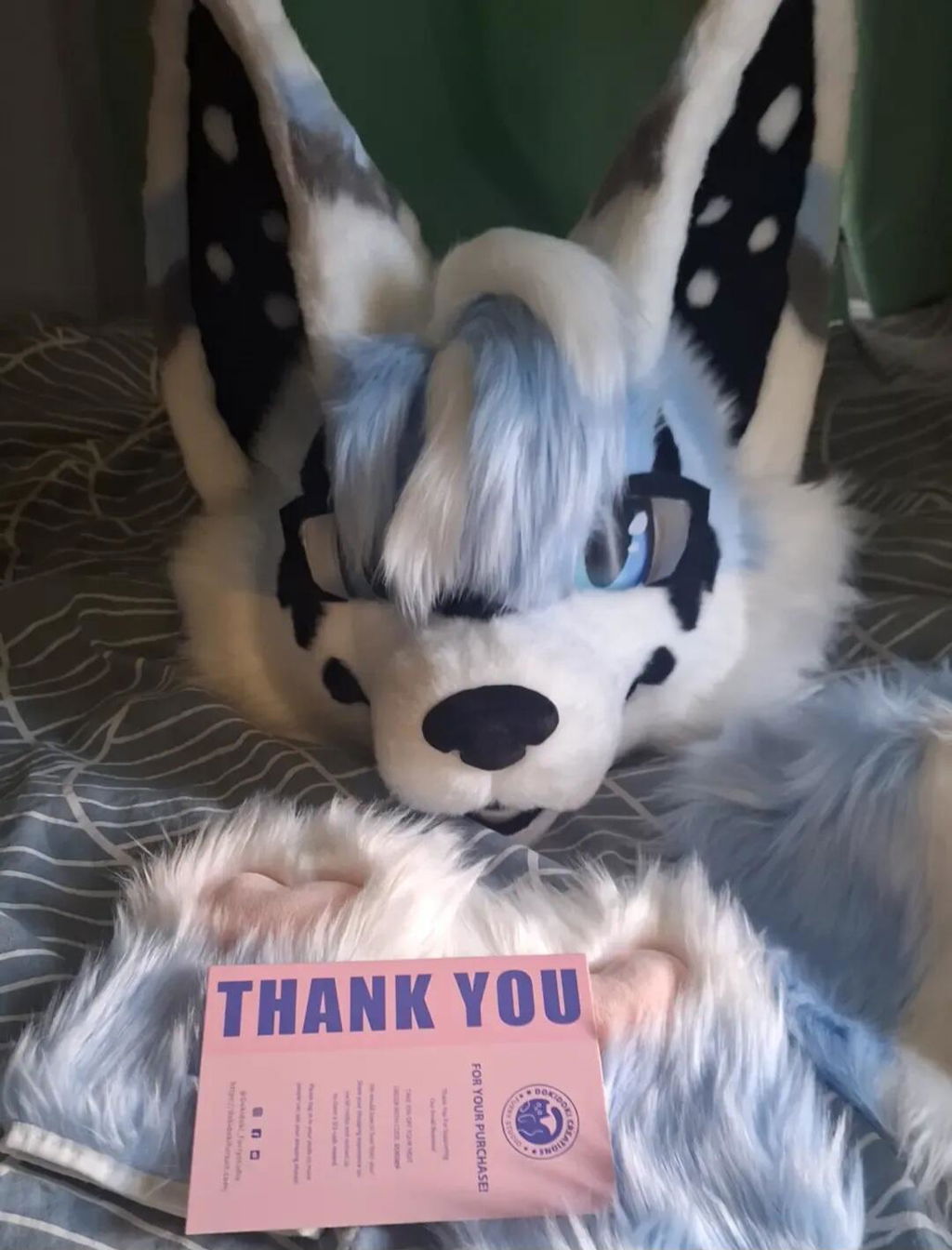
For a direct example of how a named character can anchor the decision, compare the available Toony Wolf No.386 listing against your own expression notes. Use the listing as a concrete reference, not as a promise that every design will fit the same brief.
Match coverage to the scenes you will actually use
Coverage changes how the character moves through a day. A fuller setup can make the silhouette feel unified, while a partial arrangement may leave more room for personal clothing and easier changes between scenes. Neither choice is automatically better; the useful choice is the one that fits your route, breaks, photos, and social time.
- For short appearances, prioritize the pieces that carry the character identity.
- For walking and greeting, check room for gestures and a natural stride.
- For repeated breaks, plan where each removable piece will be stored.
- For a complete look, make sure the base layer and outer pieces agree visually.
A Toony Dog No.393 can serve as another ready-to-wear comparison point when you are studying how a simple animal cue is carried across the face and silhouette.
Use the shop pages to narrow, not replace, your brief
Browsing is more productive after you have written the non-negotiables. The Kig collection is useful when you want to compare a different compact, rounded direction, while the gallery can help you collect visual references. Keep a small note beside each reference: what works, what does not, and which character cue you would keep.
If the available examples do not match your intended expression or silhouette, turn the note into a commission brief. The commission order process page is the appropriate place to review the store's ordering path before you decide what information to prepare.
Run a five-question check before choosing
Before you commit to a toony fursuit, answer five questions in one sitting:
- Can I describe the character's main visual cue without a long explanation?
- Does the face still communicate the intended mood from an angle?
- Does the coverage fit the places, movement, and breaks in my event plan?
- Do the colors and accents support the silhouette instead of crowding it?
- Do I know whether I am comparing a ready-to-wear option or preparing a commission brief?
If one answer is uncertain, revise the brief before adding more details. A clear cartoon shape is valuable because it makes the character easier to choose, wear, and explain. Let that clarity guide the final shortlist.