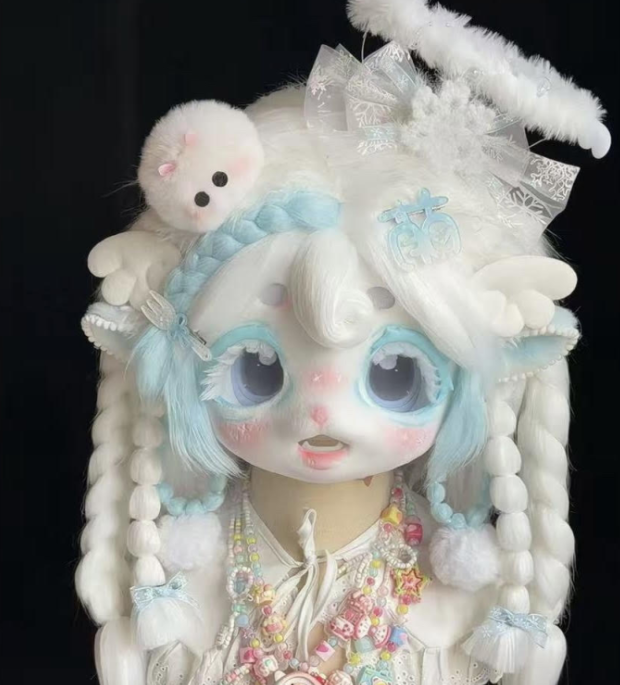
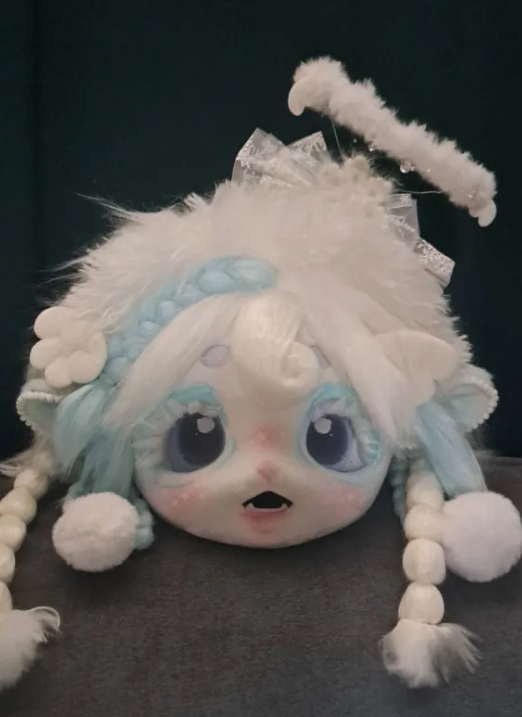
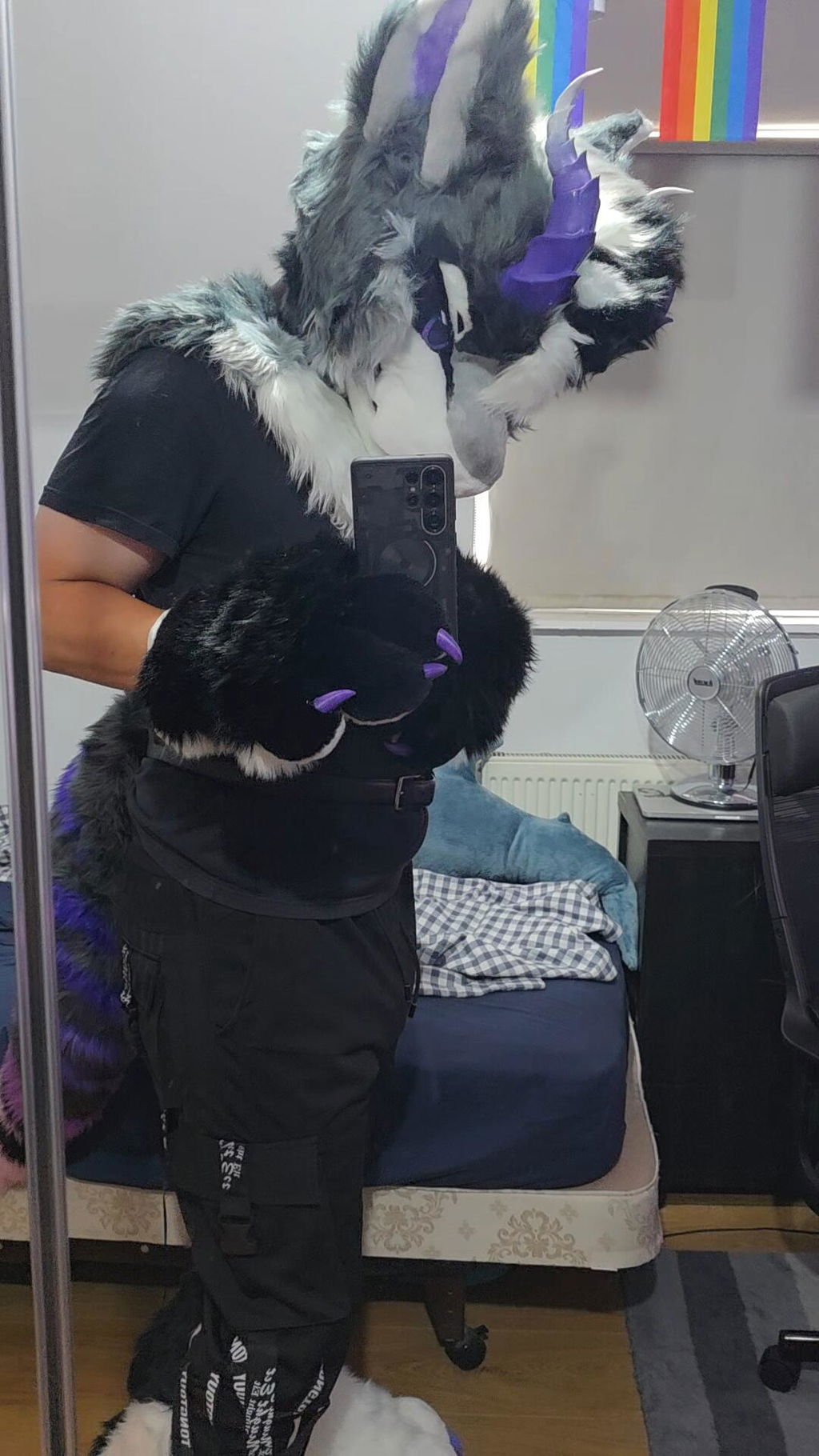
A kemonomimi fursuit works best when its animal-inspired cues stay readable beyond the character sketch. Start with the ears, then connect their silhouette to the face, colors, and event routine. That gives you a focused plan for comparing pieces or explaining a custom idea.
Make the ears do one clear character job
Ears are usually the first feature people notice, so decide what they should communicate before choosing their exact size or decoration. A tall, alert outline creates a different impression from a soft, rounded one. The useful question is not which shape is universally correct; it is which shape supports your character in a standing pose, a walking pose, and a photograph.
- Choose the main silhouette: upright, rounded, folded, or another shape that fits the character.
- Describe the angle and spacing in plain language so another person can understand the intended expression.
- Mark the pattern or inner color that must remain visible from the front.
- Note whether the ears are essential for recognition or an optional detail.
This turns a vague animal reference into a design constraint. It also gives you better questions to ask about attachment, storage, and fit without assuming specifications that a listing does not provide.
Connect the ears to the face and expression
The face should not feel like a separate choice from the ears. Decide whether the character feels curious, gentle, mischievous, calm, or dramatic, then make the ear direction and face markings reinforce that feeling. Keep the strongest contrast near the feature you want people to remember first.
- Write one sentence describing the character mood.
- Choose the face feature that carries that mood in a close photograph.
- Place the lightest or brightest marking where it supports that feature.
- Check the sketch as a small thumbnail so the expression does not depend on tiny details.
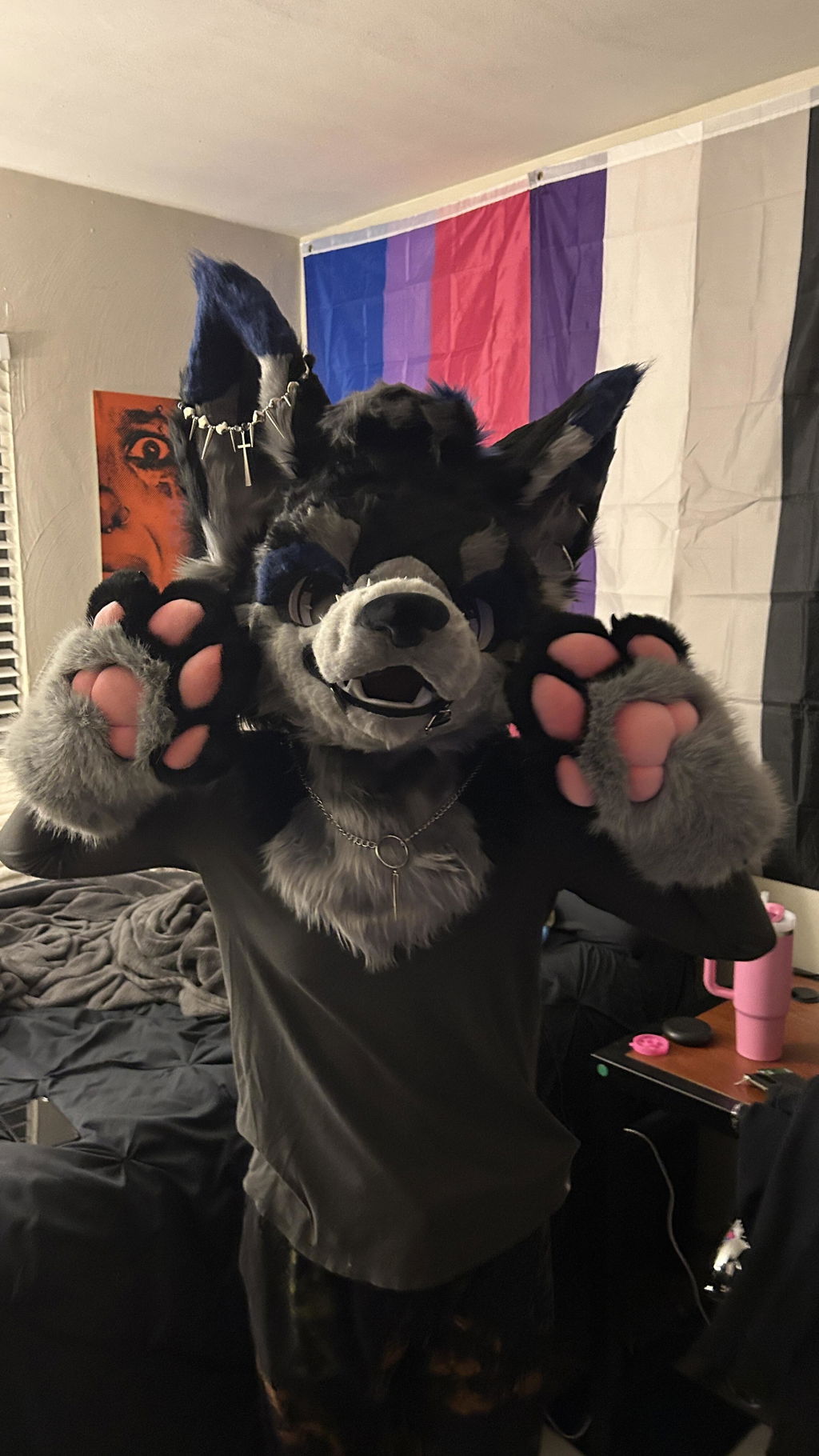
For a compact comparison point, the Gray and Black Emo Male Head Fursuit listing can prompt questions about how a head carries contrast and attitude. Use it as a visual reference, not as a claim that your kemonomimi character should copy it.
Choose coverage around the day, not only the image
Once the identity cues are stable, plan the setup around walking, posing, conversation, and breaks. A character can look complete in a drawing while being inconvenient to carry or change during an event. Separate essential identity pieces from removable support pieces so the concept remains recognizable when you need a lighter setup.
| Event need | Planning question |
|---|---|
| Recognition | Which ear, face, or color cue must stay visible? |
| Movement | Which pieces need to stay manageable while walking and interacting? |
| Photos | Which angle or marking deserves attention when posing? |
| Changing | Which layer can be removed without losing the character? |
| Breaks | Where will removable parts go safely? |
A Fursuit Undersuit Bodysuit can serve as a prompt for thinking about the base layer, while Lightweight Fursuit Half-Paws with Free Gloves can help you consider how hand coverage fits your planned gestures. Confirm the current listing details and your own measurements before ordering.
Turn the concept into a buying or commission brief
Finish with a short brief that keeps visual decisions and practical questions together. This is useful whether you are comparing a ready-made option or preparing a custom conversation.
- Character cue: the animal inspiration, mood, and feature people should recognize first.
- Ears: silhouette, angle, spacing, visible inner color, and whether they are essential.
- Face: expression direction, marking priority, and the view that matters most in photos.
- Coverage: essential pieces, removable pieces, movement needs, and break routine.
- Questions: fit, measurements, attachment, care, and event logistics to confirm before purchase.
For handoff structure, the commission order process page is a useful place to organize the information you still need to confirm. A strong kemonomimi fursuit plan is not a list of every possible detail; it is a coordinated set of cues that keeps working when the character is moving through a real day.