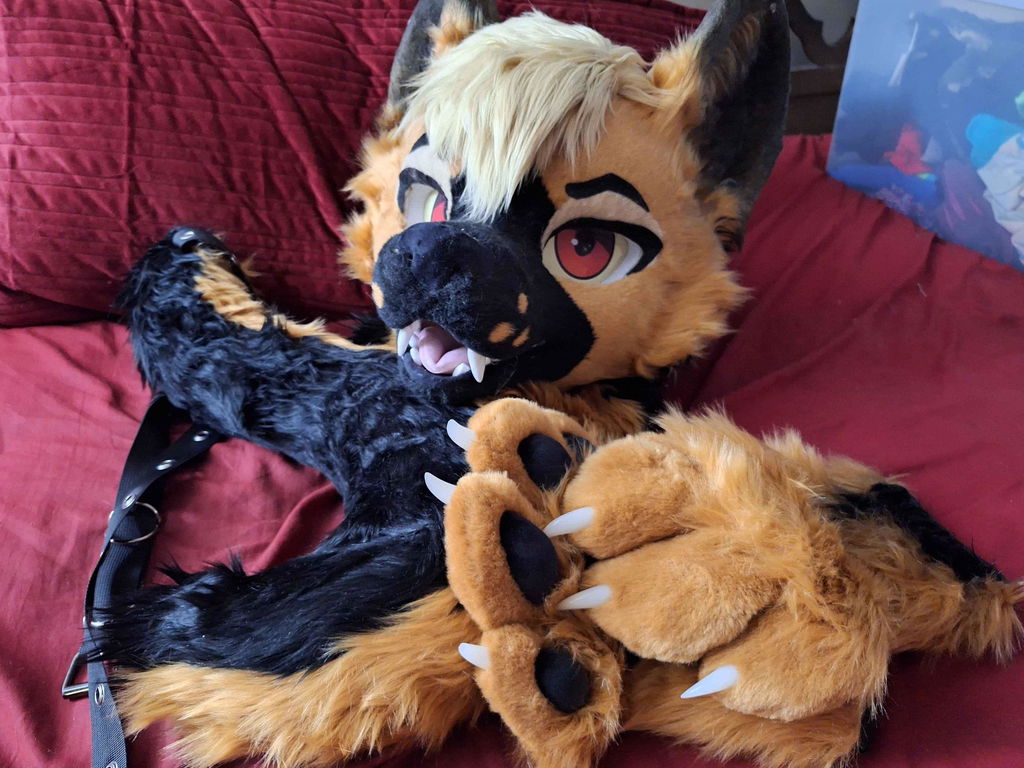
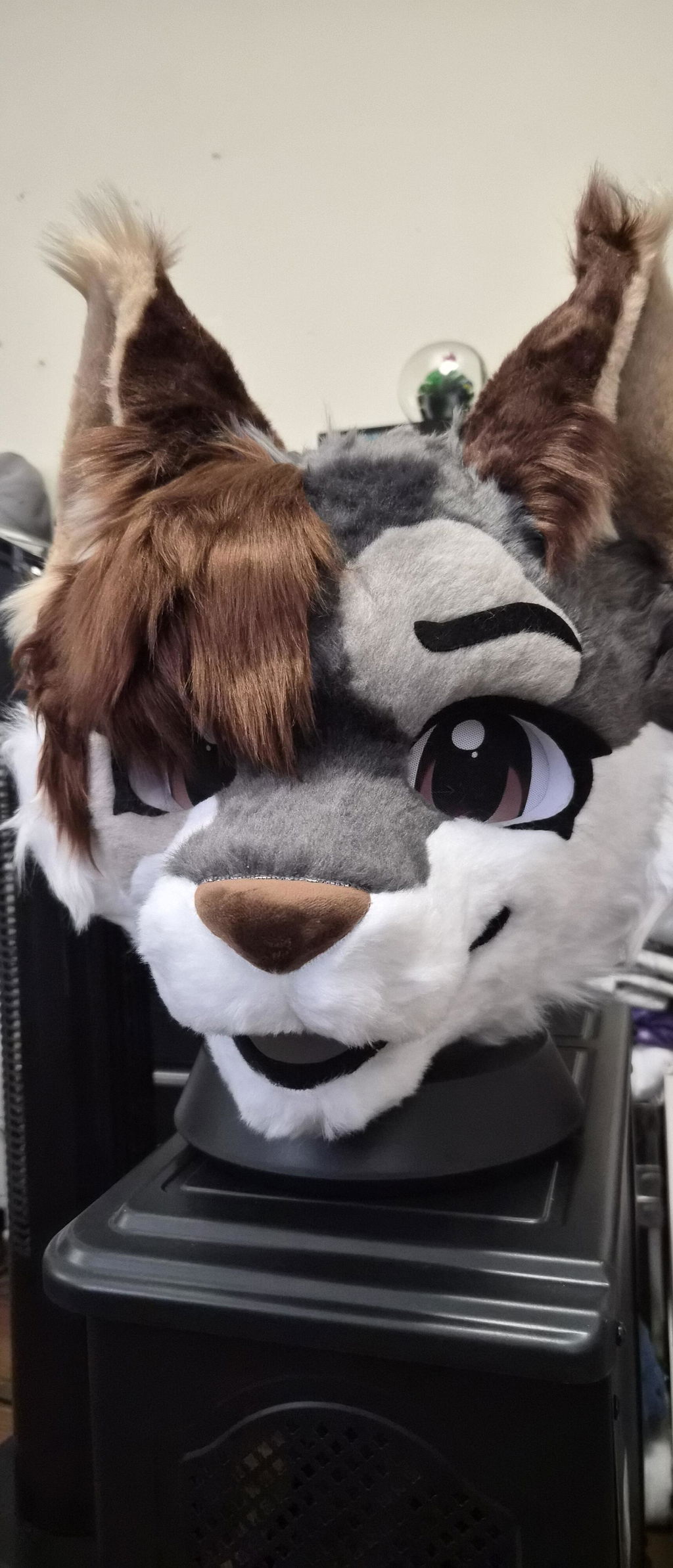
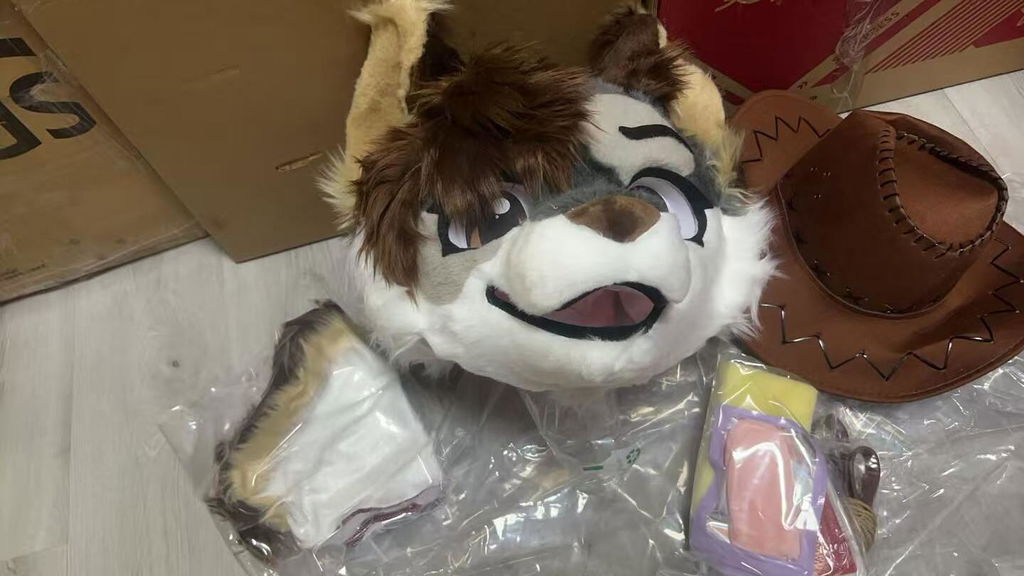
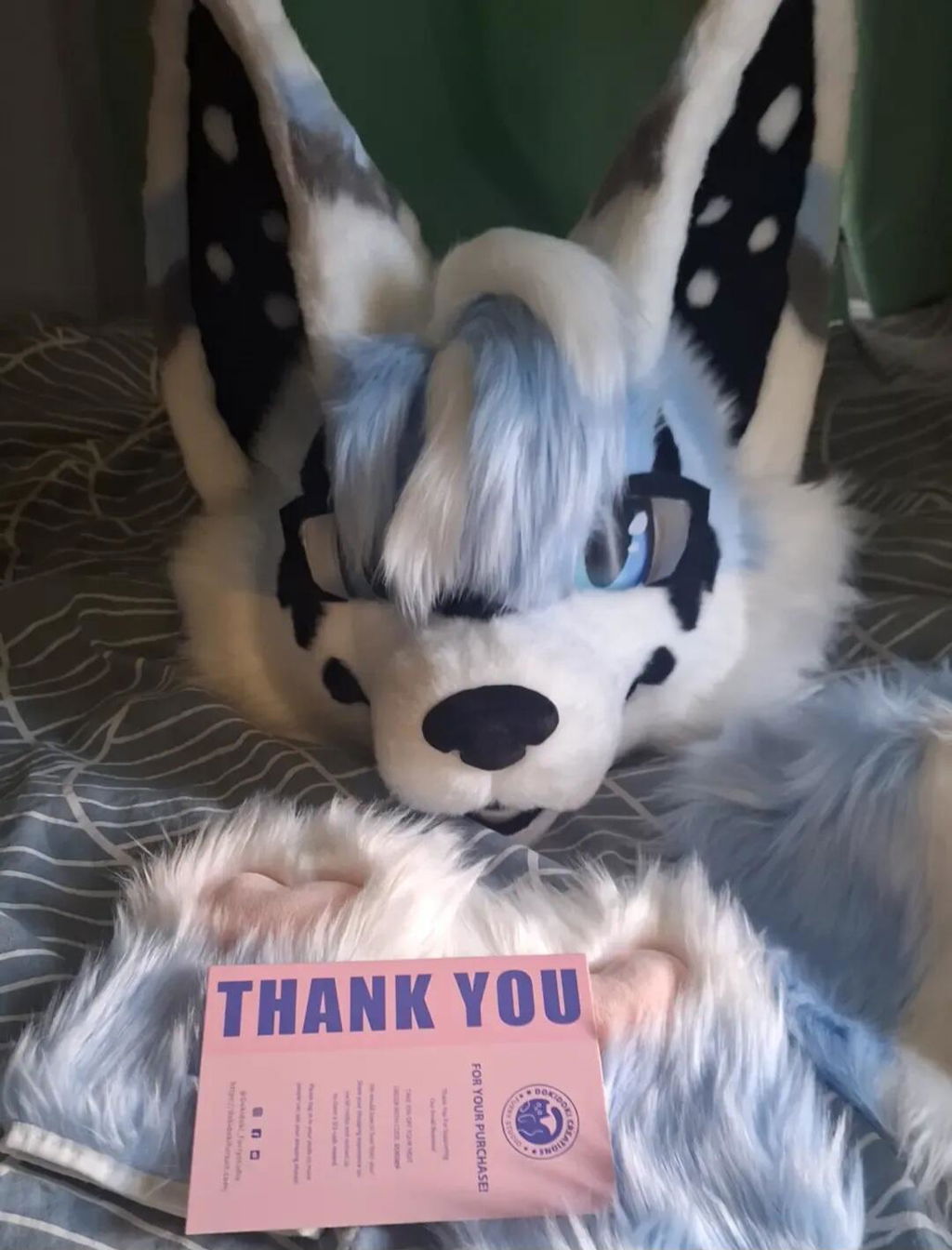
A chinese fursuit is easier to choose when the label becomes a set of visible decisions. Before comparing listings, write down the character signal you want people to notice, then test that signal against photos, movement, coverage, and your actual event day.
Begin with the character signal you want people to notice
Start with the scene where the character must read clearly. A convention floor, a short photo session, and an online reveal can reward different choices. Pick one primary cue before adding details.
- Name the mood or personality in three plain words.
- Choose the face or silhouette feature that should carry that mood.
- Note the distance and angle from which people will see it.
- Write one detail that can support the cue without competing with it.
This first note keeps a style search focused. It also gives a maker or seller a useful question instead of a vague request for a certain look.
Compare face, ears, and silhouette as one system
Review the head from the front and from a slight angle. Check the eye shape, muzzle, ears, markings, and outer contour together; a strong expression should not depend on a single isolated detail.
- Describe the expression you want to preserve.
- Identify the face feature that creates it.
- Check whether the ears reinforce the same character direction.
- Look for a clean outer shape that remains recognizable beside other people.
For a concrete comparison, the Kig One-Eyed Cat No.020 listing can help you study how one unusual eye cue changes the reading of a compact character. Treat it as a visual reference, not as a promise that every design will fit the same brief.
Use color blocks to make the brief easier to follow
Color notes become more useful when they explain placement, not just names. Separate the dominant color, the secondary area, and the accent that should catch attention first.
- Mark the dominant color across the largest visible area.
- Place secondary colors where they support the face, ears, or torso.
- Reserve accents for features that need fast recognition.
- State which color relationship must stay intact if a detail changes.
Use the Red Fox Fursuit listing as a live example for recording a clear animal direction and color-led identity. Your brief should still describe the intended character rather than copy a listing.
Decide coverage from the day you will actually wear it
Style is only useful if the planned coverage works for walking, posing, conversations, breaks, and storage. Decide which pieces carry the character identity and which pieces can be added or removed.
- For a short appearance, keep the pieces that communicate the character fastest.
- For walking, note how gestures, stride, and visibility affect the plan.
- For breaks, decide where removable pieces will rest safely.
- For base layers, record what you still need to confirm before ordering.
Catalog components can make this checklist more concrete: compare Premade Fursuit Paws for a paws-focused addition and the Fursuit Undersuit Bodysuit when planning a base layer. These links show available listings; confirm the details that matter to your own fit and use.
Build a shortlist, then choose premade or commission
Put each candidate into a small comparison note before deciding. A useful row contains the visual cue, coverage, intended scene, known information, and one unanswered question.
- Candidate: what listing or concept are you comparing?
- Character cue: what should people notice first?
- Coverage: which pieces are essential for your day?
- Open question: what must be confirmed before purchase?
If a live design is close but not right, review the commission order process and carry this brief into the next conversation. The goal is not to force a label onto a character; it is to make the visual direction, use case, and remaining decisions clear enough to compare with confidence.