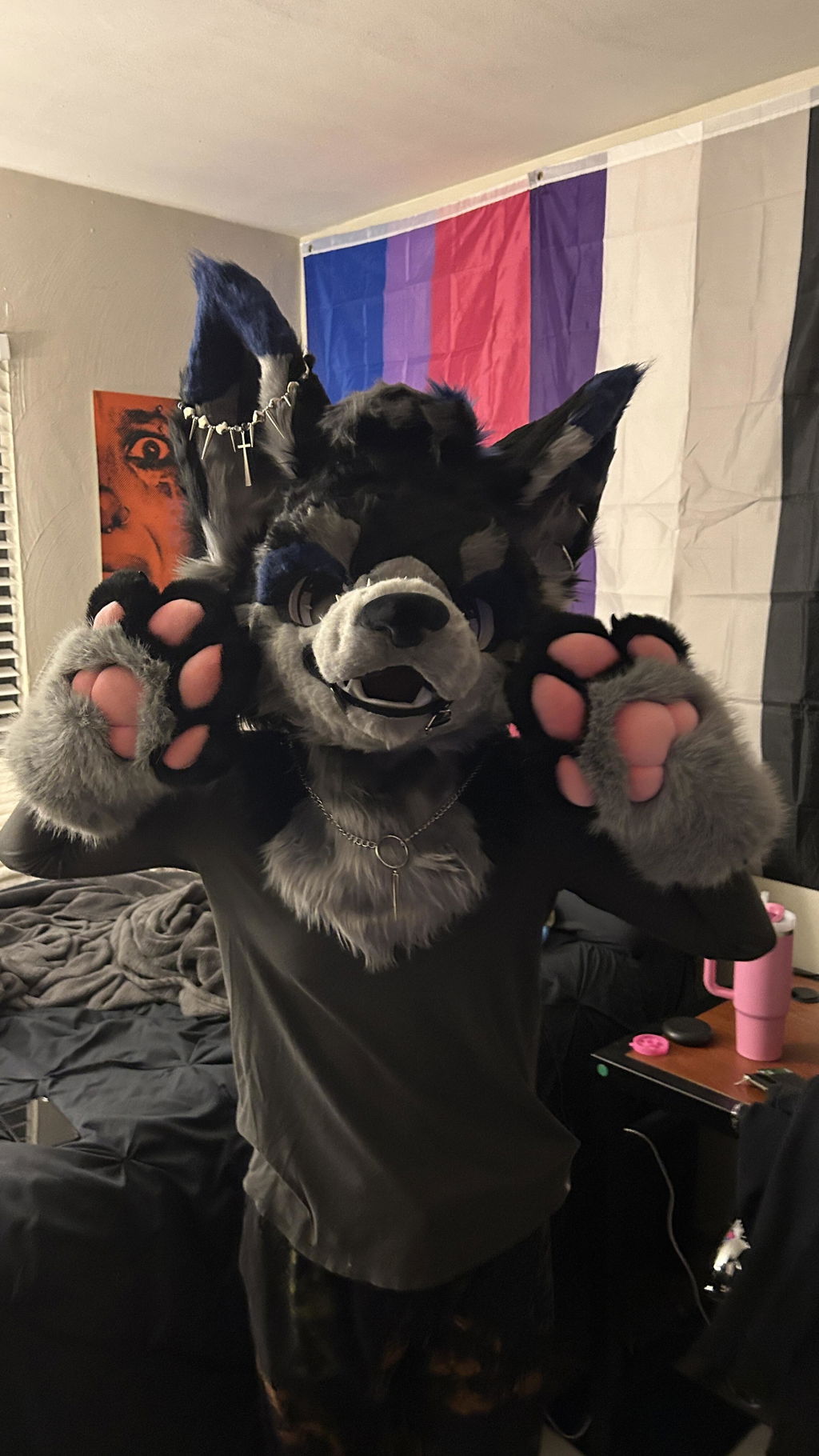
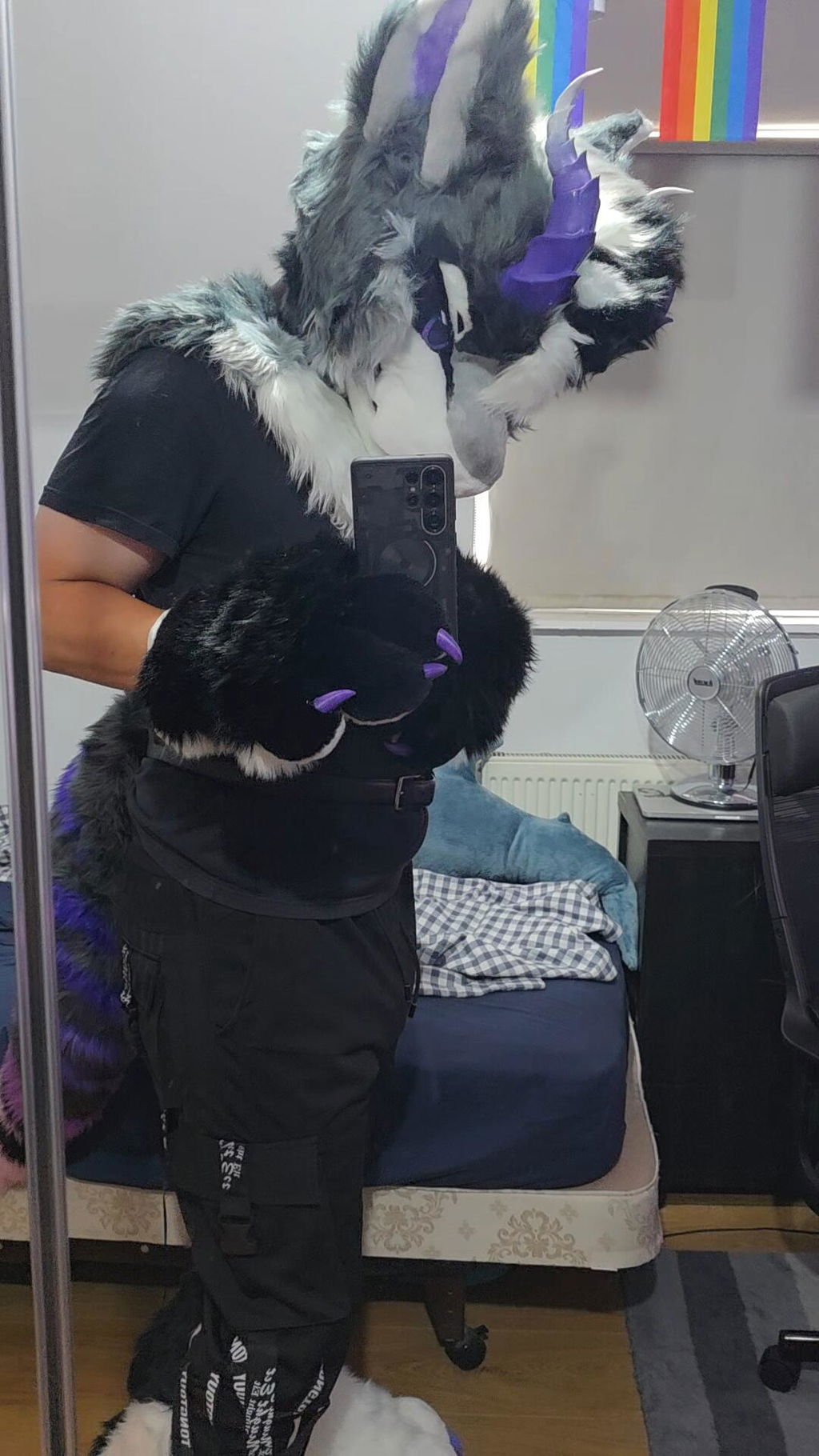
Furry cosplay works best when the character idea becomes a practical setup: the right visual cue, enough coverage for the scene, and pieces you can manage during breaks. Start with how you will wear the character, then decide which items deserve attention first.
Start with the scene, not the shopping list
Write down the setting before you browse. A busy convention floor asks different questions from a short photo session or a casual meet-up. The scene tells you how much movement, interaction, and time in costume your plan must support.
- Name the main use: walking, posing, meeting people, or photos.
- Note whether people will see the character mostly up close or at a distance.
- Mark the moments when you will need to pause, remove a piece, or carry an item.
- Choose one visual impression the character should communicate quickly.
This short note prevents a common planning mistake: choosing attractive pieces that do not work together on the day. It also gives you a useful brief to share when you ask about an order or custom work.
Identify the pieces that make the character readable
Give priority to the features that carry the character from across a room. Usually that means a recognizable head or face direction, a clear color relationship, and one silhouette cue. Treat the rest as support until those three decisions are settled.
- Describe the face or expression people should notice first.
- Choose the dominant color and the accent that helps recognition.
- Decide whether ears, horns, a tail, or another outline feature is essential.
- Write down which detail can change without losing the character.
A focused reference can make this step concrete. For example, the Stolas Helluvaboss Cosplay Fursuit Head listing shows how a recognizable character direction can be concentrated in the head. Use a listing as a visual reference for your own brief, not as a substitute for confirming fit or intended use.
Choose coverage around movement and breaks
Coverage should follow your event routine. Decide which pieces stay on while walking, which pieces help with photos, and which pieces need a safe place during food, transport, or rest. A modular plan is easier to adjust than an all-or-nothing list.
- Essential: the piece or pieces that make the character identifiable.
- Movement support: items that help the look read while you walk or pose.
- Base layer: clothing that helps you plan the contact between your body and the costume.
- Optional detail: an accessory that adds character without making the setup harder to manage.
For a base-layer reference, compare the Fursuit Undersuit Bodysuit listing. For a hand-focused addition, the Lightweight Fursuit Half-Paws with Free Gloves listing can help you think about how a smaller piece changes gesture and coverage. Confirm the details that matter to your body, clothing plan, and event routine before ordering.
Build a modular cosplay plan you can compare
Put each candidate setup into the same small comparison note. The point is not to score a listing by appearance alone; it is to see whether the character cue, coverage, and event use remain aligned.
| Plan area | Question to answer |
|---|---|
| Identity | What will people recognize first? |
| Coverage | Which pieces are essential for this scene? |
| Movement | What changes while walking, posing, or interacting? |
| Breaks | Where will removable pieces go? |
| Open questions | What must be confirmed before purchase? |
If paws are central to the character gesture, review Premade Fursuit Paws as another reference point. If your desired character needs a made-to-order direction, use the commission order process to organize the brief around the character, coverage, and event context.
Turn the plan into a clear order or commission brief
Finish with a short paragraph that another person can understand without guessing. Include the character cue, intended scene, essential coverage, optional pieces, and the questions you still need answered. This makes a premade comparison more disciplined and gives a commission conversation a concrete starting point.
- Character: the face, color, and silhouette cues that must stay recognizable.
- Use: the event or setting, plus the movement and interaction you expect.
- Coverage: essential pieces first, then support and optional pieces.
- Fit and logistics: what you need to confirm about your own measurements, storage, and breaks.
- Decision point: what would make you choose one setup over another?
A strong furry cosplay plan does not begin with the largest possible list. It begins with the character signal and the day you need to live in it. Once those are clear, you can compare listings or ask for custom work with fewer vague assumptions and a much more useful next step.