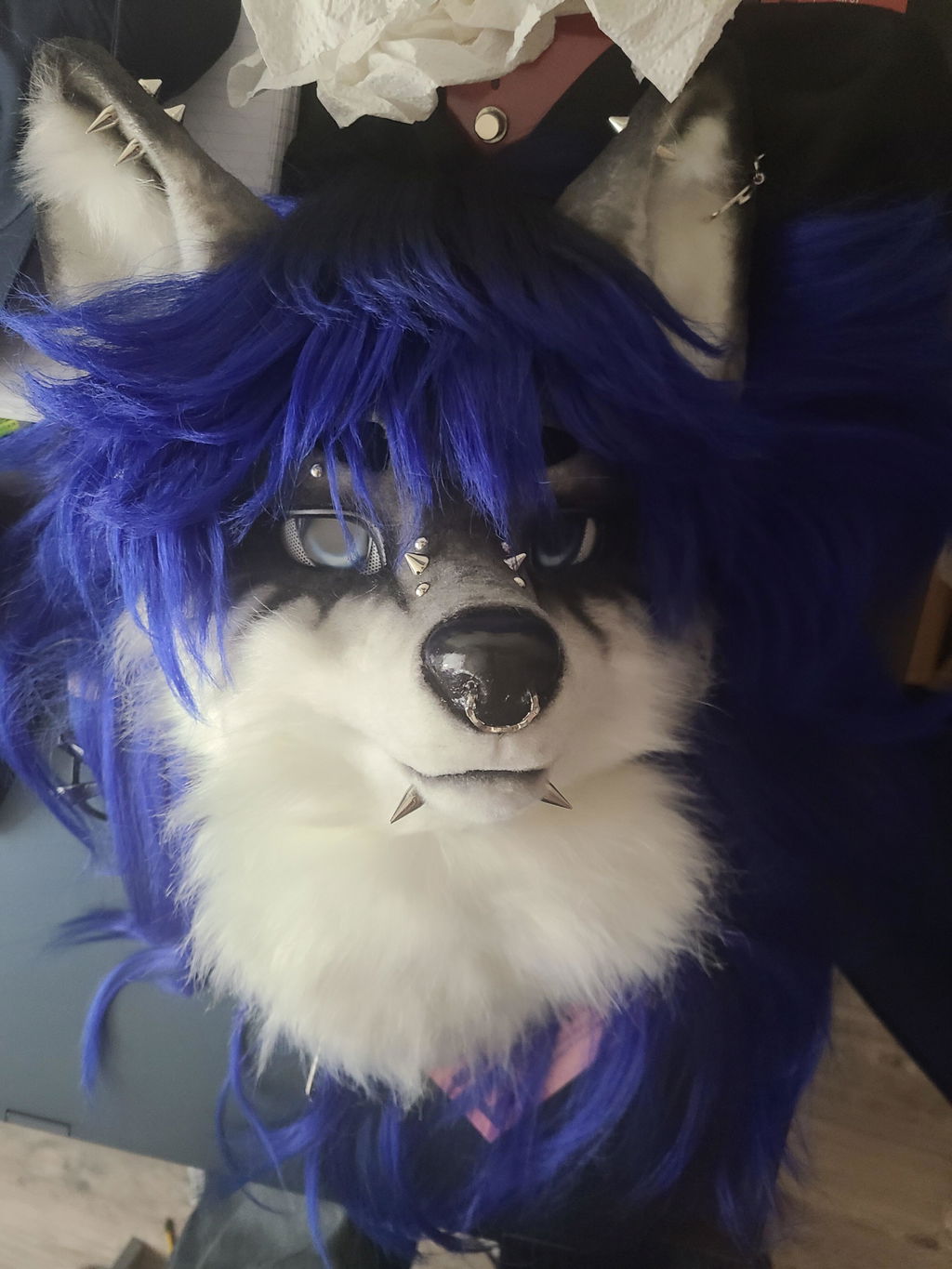
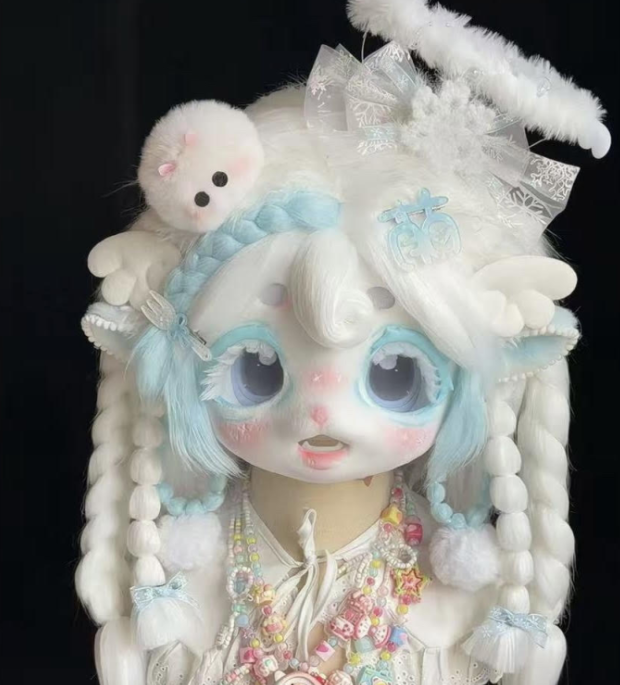
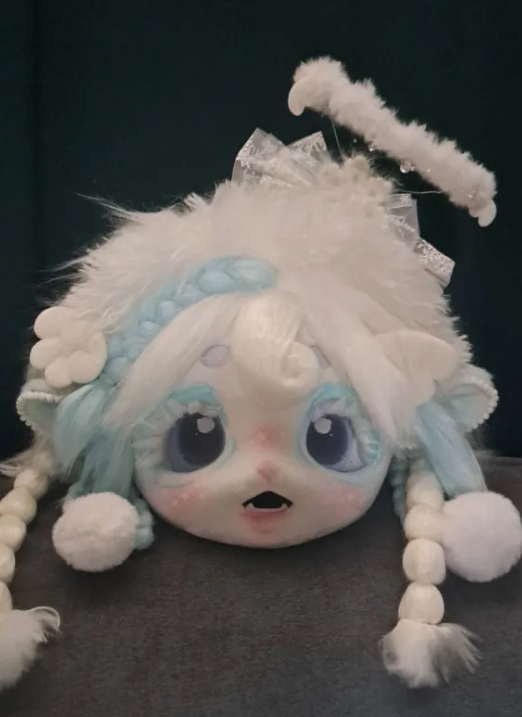
Searching for furry suits for sale can be exciting and surprisingly confusing. One listing may include only a head, another may be a partial with paws and a tail, and a third may be a complete character with body padding and feet. Photos can make every option feel immediately lovable, but a good purchase also has to fit your body, your events, your care routine, and the way you want to perform.
The easiest way to shop with confidence is to slow the decision down. First decide what you need the suit to do. Then compare the included components, measurements, construction details, visibility, maintenance, seller information, and total ownership cost. This guide gives you a repeatable process for evaluating premade and custom choices without turning the search into a guessing game.
Start with the real situation in which you will wear the suit
Real situation: you find a dramatic full suit, but most of your furry activities involve short indoor meetups, photography, and travel by public transport. A large padded body and oversized feet may create the silhouette you love, yet a partial could be easier to carry, wear, cool, and combine with clothing. The visually biggest option is not automatically the most useful option.
Actionable advice: write down your three most likely wearing situations before opening product tabs. Note the typical temperature, session length, travel method, available storage, whether you will have a handler, and how physically active you want to be. Rank mobility, coverage, visual impact, portability, and cooling. Use that ranking to remove choices that do not fit your routine, even if their photos are appealing.
Useful fact: more costume coverage generally means more material touching or surrounding the wearer. That changes heat management, movement, cleaning time, packing volume, and the number of components that must fit together. Planning around your real use helps prevent a suit from becoming a display piece when you intended to perform in it.
- Choose a head-only setup when expression and easy transport are the main goals.
- Choose a partial when you want a unified character with flexible clothing options.
- Choose a full suit when the complete body silhouette is essential to the design.
- Choose removable padding when you want more than one proportion or easier storage.
- Plan a handler for crowds, stairs, outdoor routes, and unfamiliar venues.
Understand what each furry suit listing actually includes
Real situation: two listings have similar prices and both show a fully dressed character. One includes a head, hand paws, feet, and tail; the other sells only the head while the remaining pieces are styling props. If you compare photos instead of the written contents, the apparent bargain can become an expensive misunderstanding.
Actionable advice: make an included-parts checklist for every candidate. Confirm whether clothing, shoes, hair pieces, eyelids, tongues, accessories, fans, batteries, padding, and storage items are included or shown only for presentation. Ask for clarification in writing when the title and description do not match. Save the final listing details and your conversation before payment.
Useful fact: terms such as partial, full partial, mini partial, and full suit are used differently across stores and makers. There is no single listing label that replaces a component list. The exact written inventory is more reliable than assumptions based on category names.
- List the head, hand paws, arm sleeves, feet, tail, body, and padding separately.
- Check whether removable facial parts and accessories use magnets or another attachment.
- Confirm whether electronics and required batteries are included.
- Ask which photographed items are styling props.
- Verify the number of packages if components may ship separately.
DokiDoki groups ready-to-compare options in its Pre-Adoption collection, but you should still read each individual product description because the included pieces can vary from character to character.
Compare premade, pre-adoption, and custom options honestly
Real situation: you want a suit for an upcoming event and are deciding between an existing character and a commission based on your original design. The premade offers a visible finished result, while the commission offers creative control but requires references, measurement work, production communication, and a schedule that may not match the event.
Actionable advice: choose according to which uncertainty you can accept. With a premade, evaluate character ownership, fit, included parts, and whether you connect with an already completed design. With a custom order, prepare a clear turnaround reference, measurement set, feature priorities, budget, and realistic timeline. Never assume either route is automatically faster or less expensive; compare the exact offer.
Useful fact: a completed suit reduces uncertainty about appearance, but it does not automatically guarantee fit. A commission can be built around supplied information, but the result still depends on accurate measurements, clear references, agreed materials, and the maker's process. Both routes require buyer participation.
- Choose premade when you value seeing the finished character before purchase.
- Choose custom when specific markings, proportions, or character identity are essential.
- Ask whether a premade can be adjusted and which changes are realistically possible.
- Confirm commission milestones, revision limits, payment stages, and deliverables.
- Do not schedule travel around an unconfirmed completion date.
Use measurements instead of clothing-size assumptions
Real situation: a buyer normally wears medium clothing and purchases a medium-sized costume head or body without checking the maker's measurement method. The head presses on the chin, the shoulders pull, or the feet shift while walking. Everyday clothing labels cannot describe the full geometry of wearable character parts.
Actionable advice: follow the seller's exact measurement instructions and ask another person to measure you. Wear the underlayers you plan to use, keep the tape level, and record each value twice. For heads, disclose glasses, hair volume, head circumference, and any sensory needs. For bodies, include torso length, shoulder width, rise, limbs, hands, and feet according to the requested form.
Useful fact: circumference is only one part of fit. Two people with a similar chest measurement can have different shoulder width, torso length, posture, or mobility requirements. Paws and feet also affect grip and gait, while padding changes the space required inside a body suit.
- Measure your head at the widest requested point and note whether glasses must fit.
- Trace feet when requested instead of relying only on shoe size.
- Tell the seller about orthotics, joint limitations, or removable padding needs.
- Never reduce a measurement to force a slimmer silhouette.
- Ask which alterations are possible before buying a close-fitting premade.
Evaluate style through full-body proportions, not just the face
Real situation: a large-eyed kemono head catches your attention, but you plan to pair it with slim clothing and small hand paws. Another shopper wants a bold stage character with a wide toony head, large feet, and exaggerated gestures. The same head can feel balanced in one setup and disconnected in another.
Actionable advice: compare the head width with shoulders, paw size, feet, tail, and intended body shape. Save front, side, and full-body references. Decide whether your preferred impression is soft, energetic, anime-inspired, cartoon-like, realistic, or imposing. Use collections as visual comparison tools rather than treating a style label as a guarantee of construction.
Useful fact: proportion changes the way a character reads at different distances. Large eyes and rounded forms often create a gentle or youthful impression; bold muzzles and high-contrast shapes read clearly in active performance; anatomical shaping and natural markings support a realistic direction. These are design effects, not quality rankings.
- Browse Kemono styles for rounded, compact, expressive proportions.
- Compare the Toony collection for bolder cartoon shapes and distance readability.
- Use the Fursuit Head collection to focus on face, eye, muzzle, ear, and hair differences.
- Match paw, foot, and tail scale to the chosen head rather than selecting each part independently.
- Ask for a full worn view when a listing shows mostly close-up portraits.
Check visibility, airflow, movement, and event safety
Real situation: you try a head in a quiet room and it feels manageable, but a convention adds crowds, sound, stairs, lighting changes, and long walking routes. Reduced peripheral awareness becomes much more important when other people are moving unpredictably around you.
Actionable advice: ask where the wearer sees through the head and request a wearer-view image when available. Test movement in a controlled space before attending an event. Use a trusted handler in busy areas, plan cooling breaks, carry water, and remove the head immediately if you feel dizzy, confused, overheated, or short of breath. Do not allow excitement to override physical warning signs.
Useful fact: any costume head can reduce peripheral vision and make communication harder. A fan may improve airflow, but it does not replace rest, hydration, safe ambient temperature, or awareness of your own limits. Large paws and feet can also reduce grip and change how you step.
- Practice walking, turning, sitting, and using doors before public wear.
- Keep hand signals or another communication plan with your handler.
- Schedule breaks before you feel exhausted.
- Avoid roads, stairs, and crowded transitions without assistance.
- Stop immediately when visibility or physical comfort becomes unsafe.
Inspect seller information and product evidence before paying
Real situation: a listing uses attractive studio photography but provides few construction details, no clear component list, and no measurement guidance. A second listing is less dramatic but shows multiple angles, close-ups, worn views, policies, and a specific description. The second gives you more evidence for a decision.
Actionable advice: evaluate the information surrounding the product, not only the character design. Review store policies, contact methods, payment process, shipping terms, customization boundaries, and care guidance. Reverse-image concerns, inconsistent descriptions, pressure to pay outside documented channels, or refusal to answer practical questions are reasons to pause.
Useful fact: photos can show surface appearance but cannot fully prove interior comfort, visibility, durability, or fit. Written answers and consistent documentation reduce uncertainty. Protected payment methods and saved records also give both buyer and seller a clearer account of what was agreed.
- Look for front, side, back, close-up, and worn images.
- Compare the title, photographs, component list, and price for consistency.
- Read cancellation, return, repair, shipping, and customization terms.
- Keep invoices, messages, measurements, and the final listing description.
- Do not send money because of artificial urgency when key questions remain unanswered.
Calculate the full ownership budget, not only the listing price
Real situation: you can afford the displayed price but have not included shipping, import charges, underlayers, cleaning supplies, storage, fans, repairs, or convention transport. The suit arrives, and the missing care and storage budget makes ownership stressful from the first week.
Actionable advice: create a total-cost worksheet before checkout. Separate the purchase price from delivery, taxes or duties where applicable, payment fees, underlayers, cooling accessories, brushes, cleaning materials, storage, travel cases, repairs, and event costs. Leave a reserve rather than spending your full budget on the base listing.
Useful fact: wearable costumes are maintained objects. Fur, lining, adhesives, paint, electronics, fasteners, and styled fibers can require different handling. Proper drying and storage are part of preserving the suit, while rushed cleaning can damage materials.
- Budget for delivery and any locally applicable import charges.
- Add underlayers and cooling equipment appropriate to your climate.
- Prepare breathable storage that does not crush the head or ears.
- Keep a small repair and cleaning reserve.
- Include travel size and baggage limits when you attend distant events.
Looking at a real DokiDoki partial, such as the Vibrant Rainbow Star Wolf Partial Toony Fursuit, can help you build this worksheet around an actual component set instead of an imaginary average purchase.
Make a final decision with a written five-point check
Real situation: after comparing dozens of furry suits for sale, the listings begin to blur together. You keep adding possibilities because each has one appealing feature. A written decision rule helps you stop browsing and recognize which option genuinely fits your needs.
Actionable advice: score your final candidates from one to five for use-case fit, physical fit, verified information, maintenance fit, and total budget. Require every candidate to pass safety and seller-information checks regardless of its score. If one essential answer is missing, ask before paying. DokiDoki can offer a wide range of styles, but the best choice is the one that works in your actual life.
Useful fact: a structured comparison reduces the influence of one dramatic photo or temporary urgency. It also creates a record of why you chose the suit, which is useful when planning accessories, care, travel, and future character upgrades.
- Use: does the suit match your events, performance style, and travel routine?
- Fit: are the measurements, visibility, mobility, and included parts clear?
- Evidence: are the photos, description, seller details, and policies consistent?
- Ownership: can you clean, dry, store, transport, and safely wear it?
- Budget: can you afford the complete setup with a reserve?
Finding furry suits for sale should be fun, but confidence comes from more than enthusiasm. Confirm what is included, measure carefully, compare proportions, protect your safety, review the seller's evidence, and budget for ownership. When those pieces agree, you are far more likely to choose a fursuit that remains enjoyable long after the unboxing.