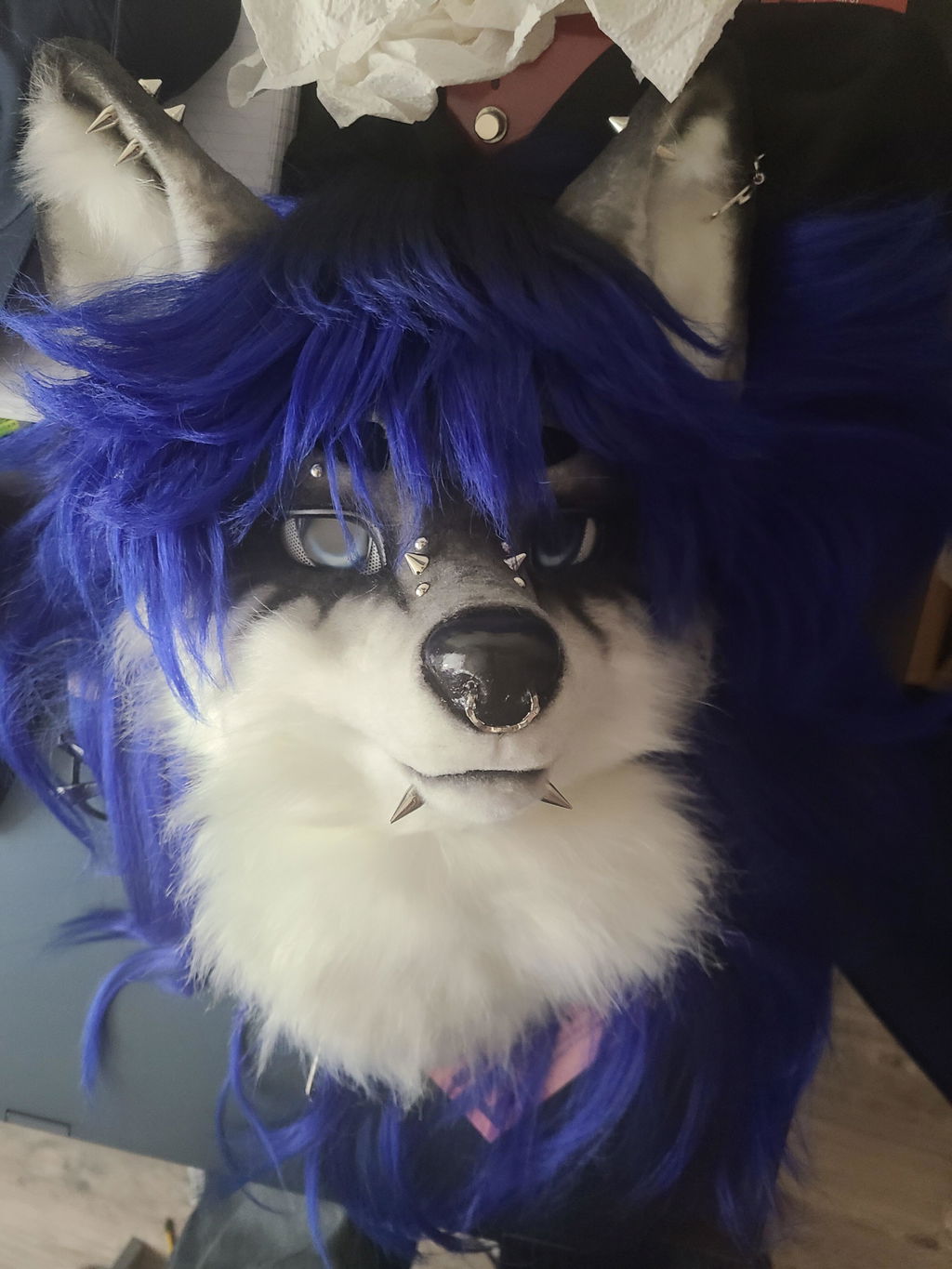
Ordering a custom fursuit is one of the most exciting ways to bring your original character, fursona, or fantasy creature to life. Unlike buying a premade design, a commission allows you to create a suit based on your own species, colors, markings, expression, personality, and style preferences.
But for first-time buyers, the commission process can feel confusing. What information do you need before ordering? How do you choose a maker? What is a reference sheet? How much detail should you prepare? Should you order a fursuit head first, or start with a partial set?
At DokiDokiFursuit, we create handcrafted fursuit heads, partial fursuits, paws, tails, headbases, and furry accessories for different character styles. This guide will help you understand what to know before ordering a custom fursuit, so you can plan your design with more confidence.
What Is a Fursuit Commission?
A fursuit commission is a custom order where a maker creates a furry costume or character piece based on your personal design. Instead of choosing a finished premade character, you provide your own ideas, reference images, colors, species, markings, and style preferences.
A commission can include different parts, such as:
-
Arm sleeves
-
Character accessories
-
Display or comfort items
Many first-time buyers start with a fursuit head, then add paws, tail, feet paws, or fursuit accessories later. This makes the process easier and helps you build your character step by step.
Custom Fursuit vs Premade Fursuit
Before ordering a commission, it helps to understand the difference between a custom fursuit and a premade fursuit.
A custom fursuit is made according to your own character design. You can choose the species, colors, expression, style, markings, and special details. This is the best option if you already have a fursona or a clear character idea.
A premade fursuit is already designed and ready to buy. You can see the finished look before purchasing, which makes it easier for beginners who do not want to go through the full design process.
Choose a custom fursuit if you want:
-
Your own original character
-
Specific colors and markings
-
A special species or hybrid
-
A personal expression or personality
-
More control over the final look
Choose a premade fursuit if you want:
-
A faster buying process
-
A finished character you can see clearly
-
Less design pressure
-
A beginner-friendly purchase
-
A more predictable result
If you are not ready for a full custom process, you can browse premade fursuit heads and partial fursuits or explore pre-adoption fursuit concepts, which may allow some design adjustments before production.
Step 1: Prepare a Clear Character Idea
Before contacting a maker, you should have a basic idea of your character. Your design does not need to be perfect, but it should be clear enough for the maker to understand.
Think about these questions:
-
What species is your character?
-
Is your character cute, cool, spooky, elegant, playful, or mysterious?
-
What are the main fur colors?
-
Are there special markings?
-
Does the character have horns, wings, hair, spikes, or accessories?
-
What expression should the fursuit head have?
-
Which style do you want: Toony, Kemono, Kig, or realistic?
The clearer your idea is, the easier it will be for the maker to create a fursuit that matches your vision.
Step 2: Choose the Right Fursuit Style
Different fursuit styles create very different character looks. Before ordering a custom suit, choose the style that best matches your character.
Toony Fursuit
A Toony fursuit has a cartoon-inspired look. It usually features large eyes, bold expressions, rounded shapes, and playful proportions.
This style is a great choice if you want your character to feel:
-
Friendly
-
Expressive
-
Energetic
-
Colorful
-
Fun and convention-friendly
Toony fursuits work well for wolves, foxes, dogs, cats, dragons, bats, sheep, goats, and many fantasy creatures.
Kemono Fursuit
A Kemono fursuit is inspired by Japanese cute character design and anime aesthetics. It often has large eyes, a softer face shape, a smaller muzzle, and a gentle expression.
This style is ideal if you like:
-
Kawaii character design
-
Anime-inspired faces
-
Soft expressions
-
Pastel or elegant colors
-
Cute fantasy characters
Kemono style is popular for foxes, cats, rabbits, wolves, sheep, dogs, dragons, and soft fantasy hybrids.
Kig Style Fursuit
A Kig style fursuit, also called a Kigurumi style fursuit, blends anime mask aesthetics with furry character design. It can look more doll-like, stylized, cute, and character-performance focused.
This style may be right for you if you enjoy:
-
Anime cosplay aesthetics
-
Smooth mask-like faces
-
Cute or dreamy expressions
-
Highly stylized character looks
-
A mix of cosplay and furry design
Realistic Fursuit
A realistic fursuit is designed to look closer to a real animal. It may include natural colors, detailed fur patterns, sculpted facial structure, realistic eyes, and lifelike proportions.
This style works well if your character is based on:
-
Wolves
-
Foxes
-
Dogs
-
Big cats
-
Deer
-
Wild animals
-
Natural animal designs
If your character is more serious, natural, or animal-like, a realistic style may be the best fit.
Step 3: Create or Prepare a Reference Sheet
A fursuit reference sheet is one of the most important parts of a custom commission. It shows the maker what your character looks like from different angles.
A good reference sheet usually includes:
-
Front view
-
Back view
-
Side view
-
Main colors
-
Markings
-
Eye color
-
Paw pad color
-
Tail design
-
Hair or mane details
-
Horns, wings, or fantasy features
-
Notes about expression and personality
Your reference sheet does not need to be extremely complex, but it should be clear. Avoid heavily shaded art if the colors are hard to identify. Flat color references are usually easier for makers to understand.
If you do not have a complete reference sheet yet, you can still prepare inspiration images, color palettes, species notes, and written descriptions. However, the clearer your reference is, the better the final result will usually be.
Step 4: Decide Which Parts You Want to Commission
Not every custom order needs to include every piece. Many buyers choose a partial fursuit because it is easier to wear, store, and budget for.
Common commission options include:
Fursuit Head Only
A fursuit head is the best starting point if you want the strongest character identity. The head shows the face, expression, species, and personality of your character.
This is a good choice if:
-
You are buying your first fursuit
-
You want a clear character look
-
You plan to add paws and tail later
-
You want to wear the head with casual clothing or cosplay outfits
Head and Paws
A head-and-paws set gives your character a more complete look while still being beginner-friendly. Adding fursuit paws helps your gestures feel more expressive in photos and videos.
This option is good if:
-
You want a stronger partial look
-
You plan to attend conventions
-
You want better character performance
-
You want matching hands for photoshoots
Head, Paws, and Tail
A set with head, paws, and fursuit tail is one of the most popular choices for first-time buyers. It creates a recognizable character look without requiring a larger costume.
This option is good if:
-
You want a complete beginner-friendly partial set
-
You want your species to be easy to recognize
-
You want a strong convention outfit
-
You want a balance of impact, comfort, and budget
Additional Feet Paws or Accessories
You can also add fursuit feet paws, sleeves, collars, props, fans, stands, or fursuit accessories to make your character more complete.
Accessories are especially useful if you want to improve comfort, storage, display, or character personality.
Step 5: Understand What Affects the Price
Custom fursuit commissions can vary widely in price. The final cost depends on the parts included, the style, design complexity, materials, and maker’s process.
Details that may increase the cost include:
-
Complex markings
-
Many fur colors
-
Large ears
-
Horns or spikes
-
Wings or fantasy parts
-
Long hair or mane
-
Large fluffy tail
-
Special eye design
-
Detailed mouth, teeth, or tongue
-
Extra accessories
-
Rare species or hybrid anatomy
-
More difficult patterning
A simple two-color fox head will usually cost less than a dragon-wolf hybrid with horns, wings, neon markings, long hair, and multiple accessories.
Before ordering, make sure you understand what is included in the quote. A head-only commission and a head-paws-tail commission are very different in both labor and price.
Step 6: Check Maker Style and Portfolio
Every fursuit maker has a different style. Some makers are better at Toony expressions, while others specialize in Kemono cuteness, Kig style masks, realistic animals, or fantasy designs.
Before ordering, look carefully at:
-
Past work
-
Character expressions
-
Fur color matching
-
Eye style
-
Head shape
-
Ear shape
-
Paw style
-
Tail style
-
Photo quality
-
Customer feedback
-
Product descriptions
A good maker should have examples that match the style you want. If you want a cute anime-inspired fox, choose someone experienced with Kemono fursuit designs. If you want a bold cartoon wolf, look for strong Toony fursuit examples.
Step 7: Ask the Right Questions Before Ordering
Before confirming a custom fursuit commission, ask important questions so you understand the process clearly.
Useful questions include:
-
What parts are included in the commission?
-
What measurements do you need?
-
Can this design be made in the style I want?
-
What fur colors will be used?
-
Can small design changes be made before production?
-
What is the estimated production process?
-
How should I care for the finished suit?
-
What shipping options are available?
-
Are accessories included or separate?
-
What happens if a detail cannot be made exactly as drawn?
Clear communication helps avoid misunderstandings and makes the commission process smoother.
Step 8: Think About Fit and Measurements
Fit is very important for a wearable fursuit. Even a beautiful suit can be uncomfortable if the size is wrong.
For a fursuit head, the maker may need information such as:
-
Head circumference
-
Face shape notes
-
Glasses needs, if any
-
Comfort preferences
-
Visibility preferences
-
Ventilation concerns
For paws or feet paws, you may need:
-
Hand size
-
Wrist size
-
Shoe size
-
Preferred fit
-
Indoor or outdoor use
For a partial fursuit, measurements help the maker create pieces that are easier and more comfortable to wear.
Always provide accurate measurements. Do not guess. If you are unsure how to measure, ask for instructions before submitting your details.
Step 9: Choose the Right Expression
Expression is one of the most important parts of a custom fursuit head. Your character’s face should match their personality.
Common fursuit expressions include:
-
Happy
-
Cute
-
Shy
-
Mischievous
-
Confident
-
Cool
-
Sleepy
-
Angry
-
Spooky
-
Elegant
A soft, gentle character may look better with a Kemono-style expression. A bold and playful character may look better as a Toony fursuit. A mysterious character may need sharper eyes, darker colors, or dramatic markings.
Before ordering, describe your character’s personality clearly. This helps the maker choose the right eye shape, eyebrows, muzzle shape, and mouth expression.
Step 10: Plan Your Colors and Markings Carefully
Colors and markings are a big part of custom fursuit design. Simple designs are usually easier to make, while complex markings need more time and precision.
When planning colors, think about:
-
Main fur color
-
Secondary fur color
-
Accent colors
-
Eye color
-
Nose color
-
Paw pad color
-
Tail markings
-
Ear markings
-
Face markings
Try to keep your design readable. Too many small details can be difficult to translate into fur. Large, clear markings usually work better on fursuits than tiny detailed patterns.
If your character has stars, hearts, stripes, spots, diamonds, scars, or symbols, make sure they are shown clearly on your reference sheet.
Step 11: Consider DIY Options with a Headbase
If you want to build your own fursuit instead of commissioning a finished piece, you can start with a fursuit headbase.
A headbase gives you the main structure of the head before adding fur, eyes, ears, and details. This can be useful for DIY creators who want more control over the final design.
Different headbase styles include:
DIY projects can be rewarding, but they also require patience, tools, materials, and practice. If this is your first time, start with a clear plan and a simple design.
Step 12: Know How to Care for Your Custom Fursuit
After receiving your custom fursuit, proper care is important. A handmade fursuit needs cleaning, brushing, drying, and safe storage to keep it looking good.
Basic care tips include:
-
Brush the fur gently after wearing
-
Let the suit dry fully before storage
-
Avoid storing it in damp places
-
Use fans or ventilation after long wear
-
Spot-clean small areas when needed
-
Follow the maker’s care instructions
-
Store the head safely on a stand or in a clean space
You can also use fursuit accessories such as display stands, fans, or storage-related items to help protect your suit.
Common Mistakes First-Time Commissioners Should Avoid
Ordering your first custom fursuit is exciting, but there are a few common mistakes to avoid.
Mistake 1: Not Having a Clear Reference
A vague idea can lead to misunderstandings. Try to prepare clear images, colors, markings, and notes before ordering.
Mistake 2: Choosing Style Only by Price
Price matters, but the maker’s style and quality matter too. A cheaper option is not always the best match for your character.
Mistake 3: Adding Too Many Tiny Details
Small details may look good in digital art but can be hard to translate into fur. Large, clear shapes usually work better.
Mistake 4: Forgetting Comfort
A fursuit is wearable art. Visibility, ventilation, weight, and fit are all important, especially if you plan to wear it at conventions or events.
Mistake 5: Not Checking What Is Included
Always confirm whether your order includes only the head, or also paws, tail, feet paws, sleeves, or accessories.
Is a Custom Fursuit Worth It?
A custom fursuit can be worth it if you want a character that feels truly personal. Unlike a premade design, a commission is built around your own fursona, style, colors, and personality.
A custom fursuit may be a good choice if:
-
You already have a clear character
-
You want specific markings or colors
-
You care about personal expression
-
You want a unique look
-
You are ready to plan the design carefully
If you are still unsure about your character, a premade fursuit or pre-adoption concept may be a better first step.
Why Choose DokiDokiFursuit?
At DokiDokiFursuit, we focus on expressive handcrafted fursuit pieces for different character styles, including Toony fursuits, Kemono fursuits, Kig style fursuits, and realistic fursuit designs.
Whether you are looking for a custom-inspired character, a premade fursuit head, a partial set, paws, tail, or a DIY headbase, we help furry fans find character pieces that are cute, expressive, wearable, and full of personality.
First-time buyers can start by exploring our fursuit heads, fursuit paws, fursuit tails, headbases, and fursuit accessories.
Final Thoughts: Plan First, Commission with Confidence
Ordering a custom fursuit is a big creative decision. The more clearly you prepare your character, style, reference sheet, measurements, and budget, the smoother the process will be.
Before commissioning, take time to decide what you really want. Choose your fursuit style, prepare your reference, understand what parts are included, and communicate clearly with the maker.
A good custom fursuit should not only look beautiful—it should feel like your character has finally stepped into the real world.