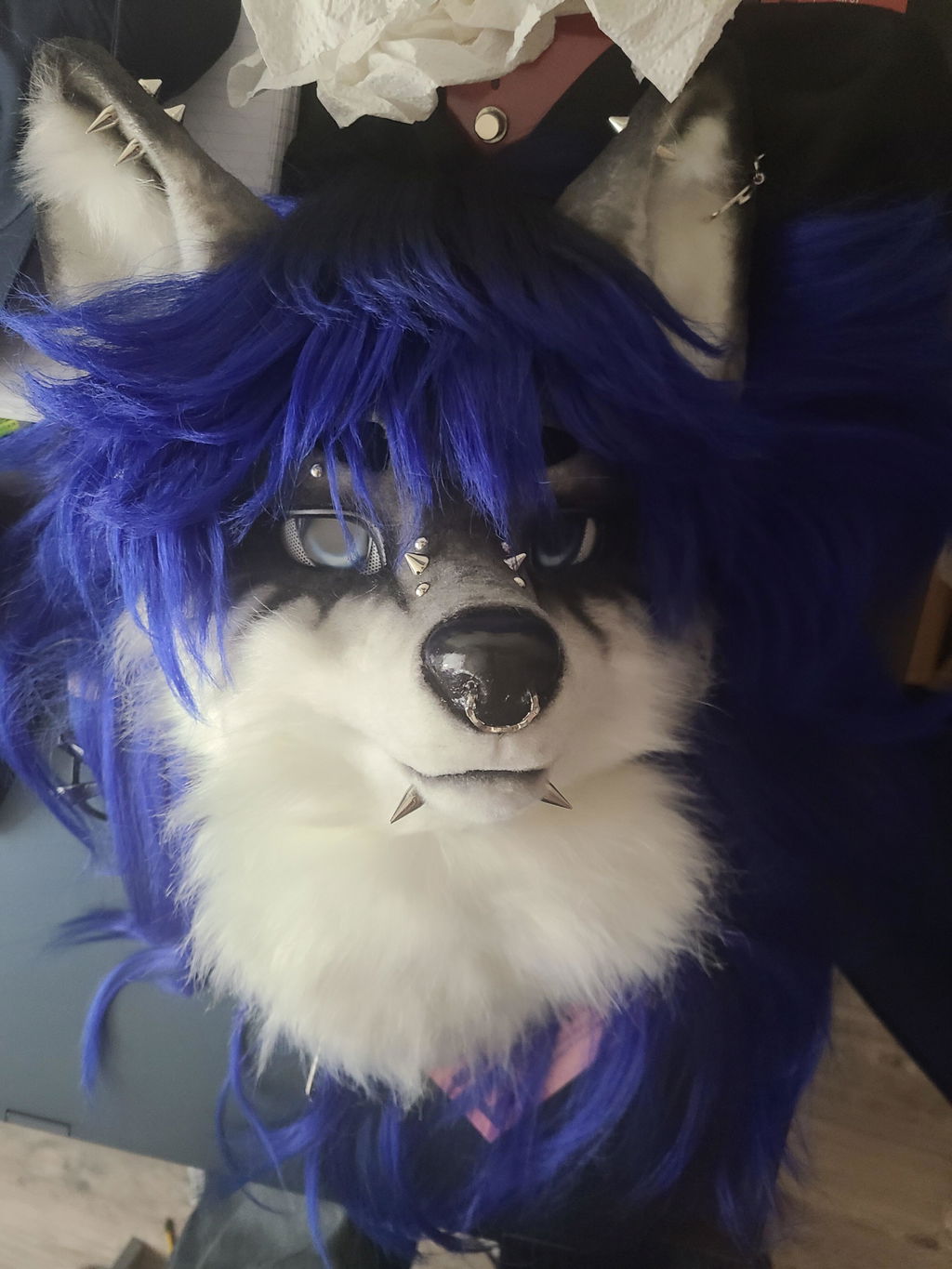
Choosing furry suits is easier when you begin with the character and the occasion instead of trying to compare every listing at once. A good first purchase should give you a clear character identity, fit the way you plan to wear it, and leave you with a practical plan for clothing, transport, storage, and care. The most expensive-looking or most complete option is not automatically the best match for your life.
This guide is for a first-time buyer comparing a ready-made fursuit, a partial arrangement, a head, or individual character pieces. It explains how to choose a style, define the visual cues people should recognize, check the exact listing, compare coverage, prepare measurements, and plan the first convention or photo session. DokiDoki offers different character directions and separate parts, so the same process can help whether you are choosing one finished design or building a look over time.
Start with the character you want to express
Real use scenario: You have bookmarked several furry suits, but your own character is still only a mood board. Before you order, imagine the character greeting someone at a convention or appearing in a portrait. What should people notice first?
Write a short character brief before you browse further. Include the species, main colors, accent colors, expression, personality, markings, and the pieces you think are essential. If the character is original, choose a few non-negotiable visual cues rather than trying to solve every small detail. If you already have artwork, keep it open while comparing listings.
Use this planning list:
- Name the species or creature that anchors the character.
- Separate dominant colors from optional decoration.
- Record the markings or face details that must remain recognizable.
- Describe the personality in plain words such as playful, calm, bold, or shy.
- Write down features you do not want, so a striking listing cannot pull you away from the brief.
DokiDoki’s fursuit buying guide can help you think through the character before you compare individual products. The style label is only a starting point. Your character brief should decide which furry suits belong on your shortlist.
Choose a style that matches the character
Real use scenario: You are comparing a cartoon-led face, an anime-influenced look, and a more natural animal direction. You want a character that feels consistent instead of choosing a style only because it is popular in a photo.
Style changes the way a character communicates. A toony design may emphasize a bold silhouette and an expressive mood. A kemono or kig direction may make the face and eyes the strongest visual focus. A realistic direction may ask you to study the animal cues, markings, and expression more closely. These are useful comparison points, not rules that every design must follow.
Compare a style using these questions:
- Does the face express the personality in your character brief?
- Are the eyes, muzzle, ears, and markings working toward the same mood?
- Will the character remain recognizable in a full-body view?
- Can your clothing and accessories support the silhouette?
- Would you still choose the design if you removed one dramatic color or accessory?
Use the store’s style collections to compare directions, then return to the exact listing for the details that belong to that product. A strong match is the one that helps you perform the character naturally, not the one that simply looks most different from everything else.
Decide how much of the character you need
Real use scenario: You want to attend a one-day event and take photos, but you do not know whether to buy a head, a partial, or a fuller arrangement.
Coverage affects the outline, clothing plan, transport, storage, and preparation time. A head can carry the face and expression. Paws, feet, and a tail can extend the character into the rest of the silhouette. A partial can work with clothes you already own. A fuller arrangement may be the right choice when the character depends on a continuous body design.
Match the pieces to your actual use:
- For portraits, prioritize the face, eyes, ears, and the frame around the head.
- For a short meet-up, choose the pieces that make the character recognizable first.
- For a full event day, plan clothing, storage, transport, changing space, and breaks.
- For repeated appearances, consider pieces that can work with more than one outfit.
- For a character reveal, decide which cues someone should understand immediately.
DokiDoki’s partials collection is a useful place to compare the idea of a coordinated partial. The goal is not to choose the most pieces possible. It is to choose the coverage that supports your character and the way you will actually use it.
Read the exact listing before you assume anything
Real use scenario: A listing looks perfect in a styled image, and you are ready to order. You have not yet checked which pieces are included or whether the fit information answers your questions.
Use the exact product page as the source for the item you are considering. Do not assume that every piece shown in a photo belongs to the listing. Do not infer a measurement, material, feature, or included accessory because another design has it. If an important detail is unclear, write down the question and ask before ordering.
Keep a listing checklist:
- Confirm the exact character or item title.
- Identify the pieces that the page states are included.
- Read the supplied fit information and measurement instructions.
- Note any detail that matters to your decision but is not stated.
- Save the page information you used for your final comparison.
For a concrete ready-made reference, review the in-stock Red Fox Fursuit. Its title identifies the specific listing, while its product page is where you should inspect the information for that item. This habit keeps your decision grounded in what is actually supplied.
Measure carefully and plan for movement
Real use scenario: You have narrowed your choice to two furry suits, and an event date is approaching. You are tempted to guess your size from a model photo to save time.
Fit is part of the purchase, not a last-minute detail. Follow the exact listing instructions, measure yourself in the requested format, and compare the numbers directly with the supplied information. A general size label or a photo cannot replace the measurements that the page asks you to check.
Make your measurement process repeatable:
- Measure in a neutral position and record the units.
- Repeat any measurement that seems uncertain.
- Compare every relevant supplied measurement, not just one familiar number.
- Consider clothing layers where the listing asks you to do so.
- Keep your measurement notes with the character brief and listing notes.
Fit also includes movement. Imagine walking, sitting, turning your head, posing, carrying your belongings, and taking breaks. Your real experience includes the space around the costume, so plan where you will change and how you will store the pieces. If a fit detail is important and unclear, ask before you commit rather than relying on a guess.
Compare ready-made furry suits by purpose
Real use scenario: One ready-made design has the colors you like, another has the expression, and a third has the silhouette you imagined. You need a calm way to decide.
Ready-made furry suits give you a concrete character to evaluate. Compare the actual face, colors, markings, supplied information, and stated coverage. A design that looks dramatic may still be the wrong fit if it does not match your character brief or the setting where you plan to wear it.
Rank each option by:
- Character match: does it communicate the species and personality?
- Visual clarity: can the main cues be recognized in a wider photo?
- Fit confidence: are the supplied measurements clear for your needs?
- Coverage: are the included pieces suitable for your plan?
- Practical use: can you transport, store, and care for the item responsibly?
As two different references, inspect Pink Princess Fursuit and Toony Rainbow Dog No.001. Do not treat either design as a universal template. Use the exact pages to practice naming the expression, color story, and coverage that suit your own character.
Build a coordinated look from separate pieces
Real use scenario: You already own clothing or one character piece and want to add paws, a tail, a head, or another item over time. You want the finished furry suits look to feel intentional.
Separate pieces can be flexible, but they require a simple reference system. Keep a style sheet with the dominant color, accents, markings, expression, and current coverage. Before adding a piece, ask what visual job it performs. It might reinforce the species, repeat a color, extend the silhouette, or make the character easier to recognize.
Add pieces in a deliberate order:
- Start with the item that carries the strongest character cue.
- Add one color or visual family at a time.
- Track owned, planned, and optional pieces separately.
- Photograph pieces together to notice mismatched tones or shapes.
- Keep clothing, storage, transport, and care in the same plan.
If your character needs a practical clothing layer, the in-stock Fursuit Undersuit Bodysuit is one listing to review. Use its exact product page for the supplied details. Separate items do not become a coordinated character automatically; your reference sheet should guide the combination.
Prepare for the first appearance
Real use scenario: Your order has arrived and you are planning a convention, photo session, or community meet-up. You want the first appearance to feel relaxed instead of becoming a day of last-minute problem solving.
Try the intended clothing layers in a private, safe space. Organize each piece so you can find it without unpacking everything. Think about changing space, storage, transport, breaks, and the poses that fit your character. A few comfortable gestures are easier to repeat than improvising every moment.
Use this preparation routine:
- Check the pieces against the exact listing information.
- Try the planned outfit before the event day.
- Pack the pieces so they are easy to identify and handle.
- Plan breaks, water time, and a place to step away from crowds.
- Practice a greeting, wave, and a few poses that fit the character.
- Review the fursuit care guide before you need it.
Follow the supplied care guidance for the pieces you own. Do not invent a cleaning method when the material or construction is not identified. Preparation protects both the costume and the confidence you bring to your first appearance.
Use a final buying checklist
Real use scenario: You are ready to order, but you want one final review that catches uncertainty without taking away the excitement of finding your character.
Open the exact listing and compare it with your character brief one more time. Confirm the style, face, colors, fit information, coverage, included pieces, and intended use. If something important is not stated, record it as a question instead of filling the gap with an assumption.
Before ordering, confirm:
- The character’s species cues and expression match what you want to perform.
- The colors and markings support your reference.
- Your measurements were taken in the requested format and checked carefully.
- You know exactly which pieces belong to the listing.
- The coverage matches your event, photo, or community plan.
- You have considered clothing, transport, storage, breaks, and care.
- You know where to ask if an important listing detail remains unclear.
The best furry suits purchase is one you can explain clearly: this is the character, these are the pieces, this is how they fit, and this is where I will use them. Start with the character, compare the complete visual story, verify the listing, and make the final choice at a pace that feels right. DokiDoki is here as a place to explore character directions and individual pieces while you make the decision with care.