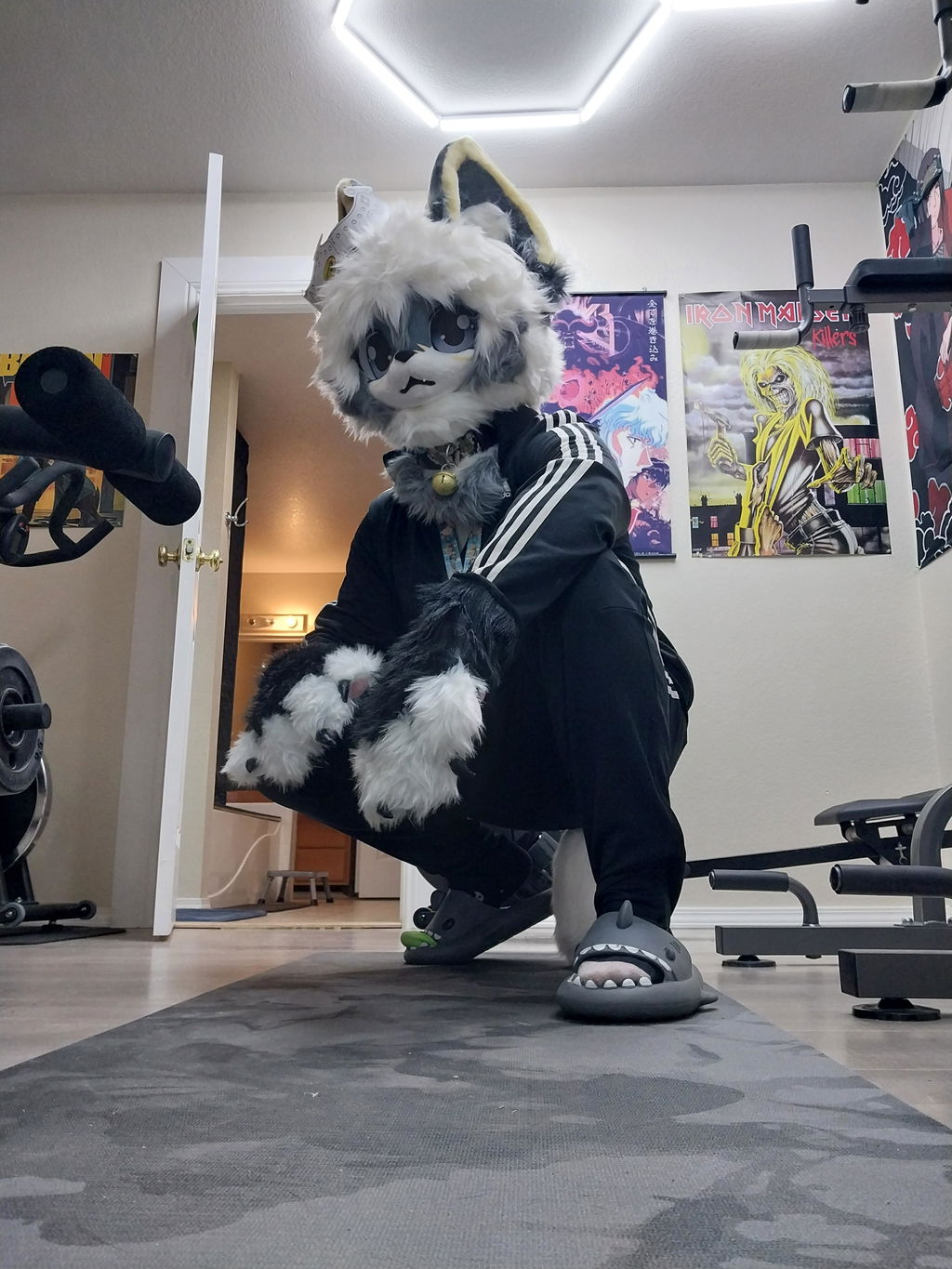
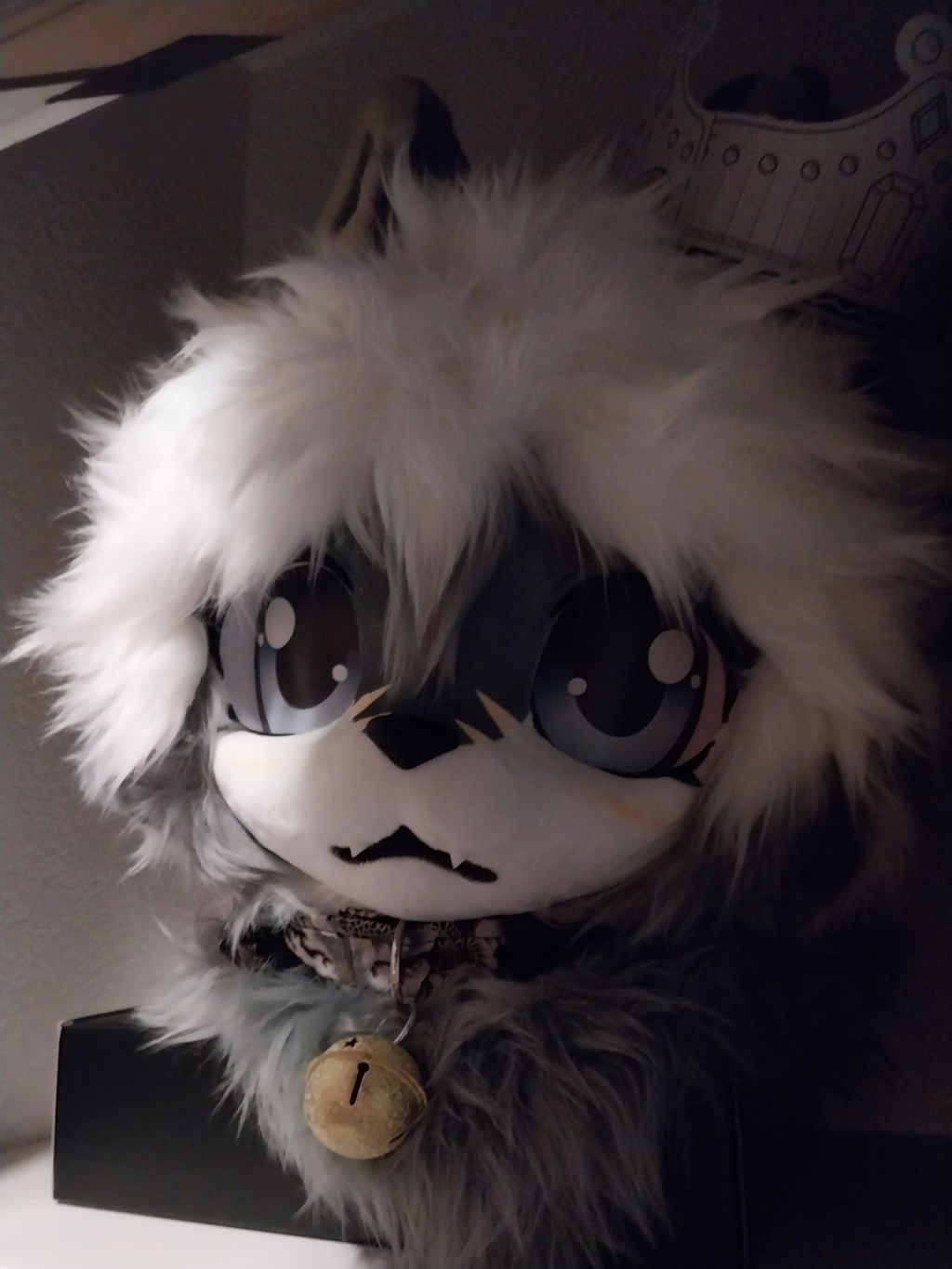
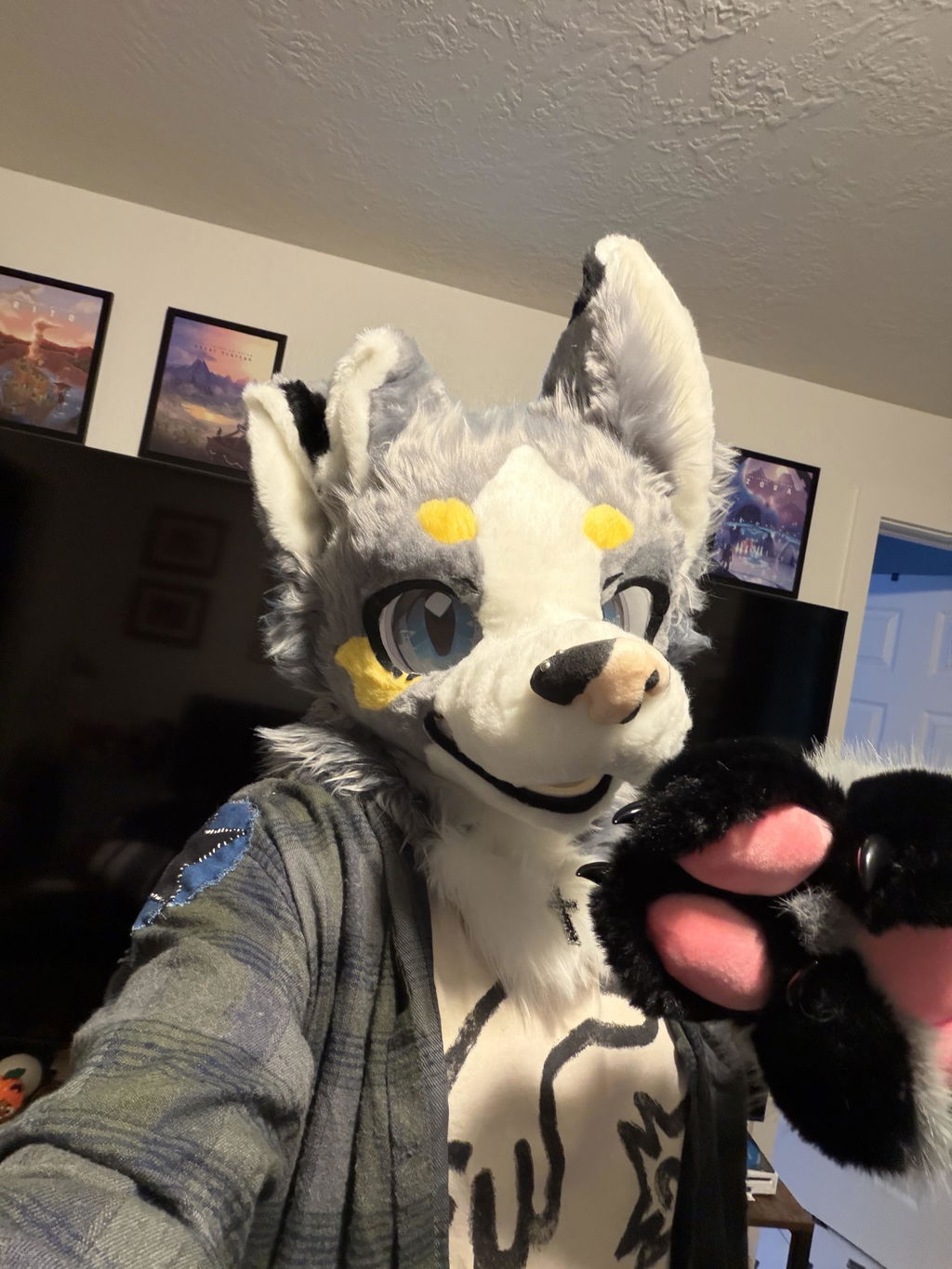
Choosing a kemono fursuit is less about finding the most dramatic costume and more about finding a character look you can comfortably live in. The style is often associated with soft, expressive faces, rounded features, and a polished anime-influenced silhouette, but every maker interprets those ideas differently. That is why a useful buying process starts with your character, your intended setting, and the amount of coverage you actually need.
This guide is for a first-time buyer comparing ready-made pieces, a partial suit, or a more complete character wardrobe. It explains what to look at in photos, how to plan the pieces around real use, and how to avoid choosing a beautiful item that does not fit the way you want to perform. DokiDoki collections include different character directions and individual parts, so the same checklist can help whether you are browsing a finished design or building a look one piece at a time.
Start with the character you want to perform
Real use scenario: Imagine you are preparing for a convention, a photo session, or a short meet-up. You need to know what your character must communicate from a distance before you decide whether you need a full suit or only a recognizable head and paws.
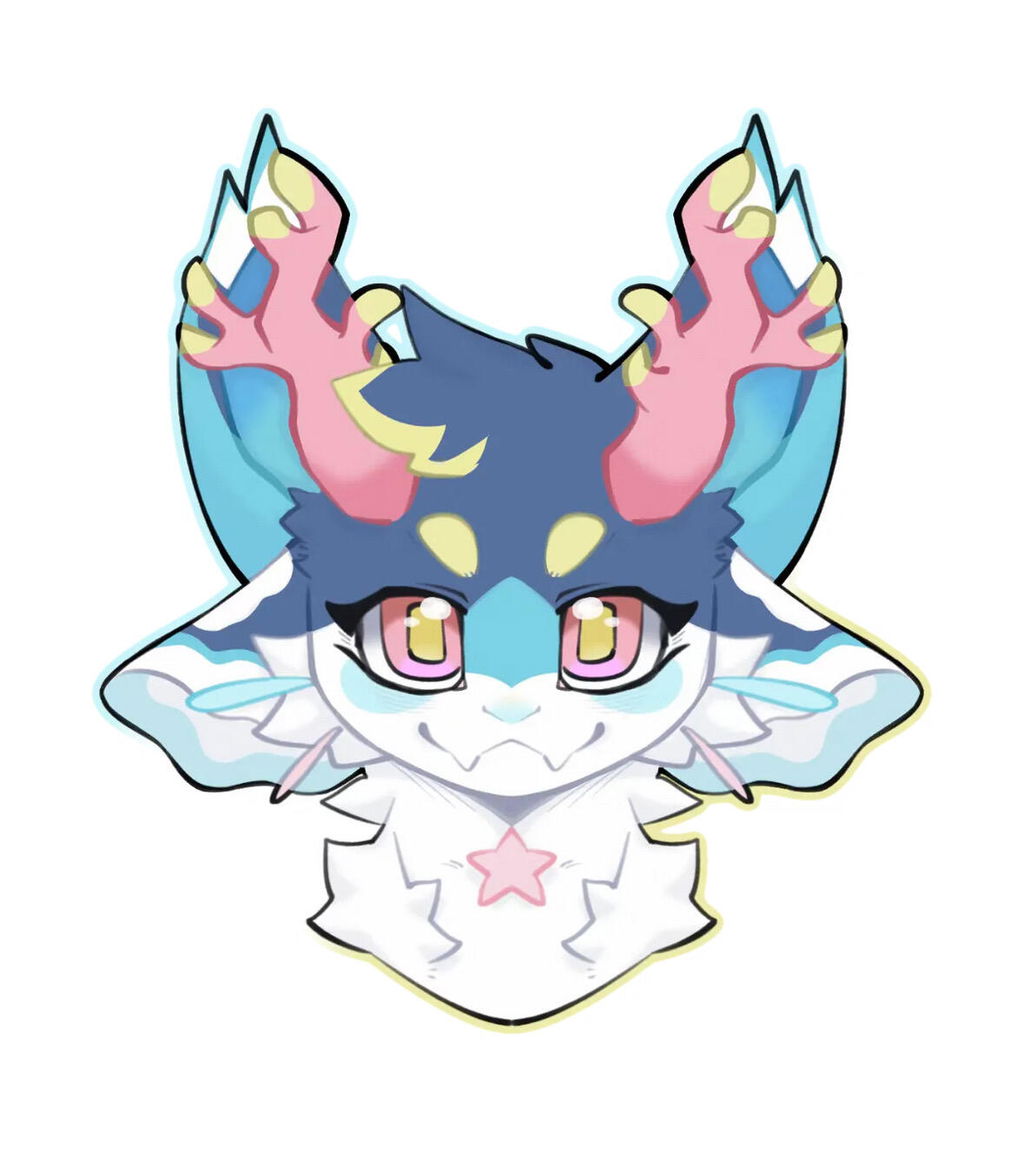
A kemono design usually succeeds when its expression and color blocking are clear. Begin with a simple character brief: species, main colors, eye expression, markings, and the mood you want to show. Do not rely on a style label alone. Two designs can both be called kemono while giving very different impressions because their muzzle shape, eye treatment, ears, and proportions are different.
Use a small reference board and compare each candidate against the same questions:
- Can you identify the character silhouette quickly in a full-body image?
- Do the face, ears, and markings match the personality you want to perform?
- Will the colors still read clearly under indoor convention lighting or in photographs?
- Are you buying a complete look, or do you already own clothing that can finish a partial suit?
For example, a bright, playful character may depend on a strong face and expressive paws, while a quieter design may need its tail, ears, or contrasting markings to remain visible. Decide which details are essential before you shop. This keeps the purchase focused on your fursona instead of on a single attractive product photo.
Understand the difference between a full suit and a partial suit
Real use scenario: You want to attend a short event first, but you are not sure whether full-body coverage will suit your routine. A partial approach lets you test the character in clothing you already understand.
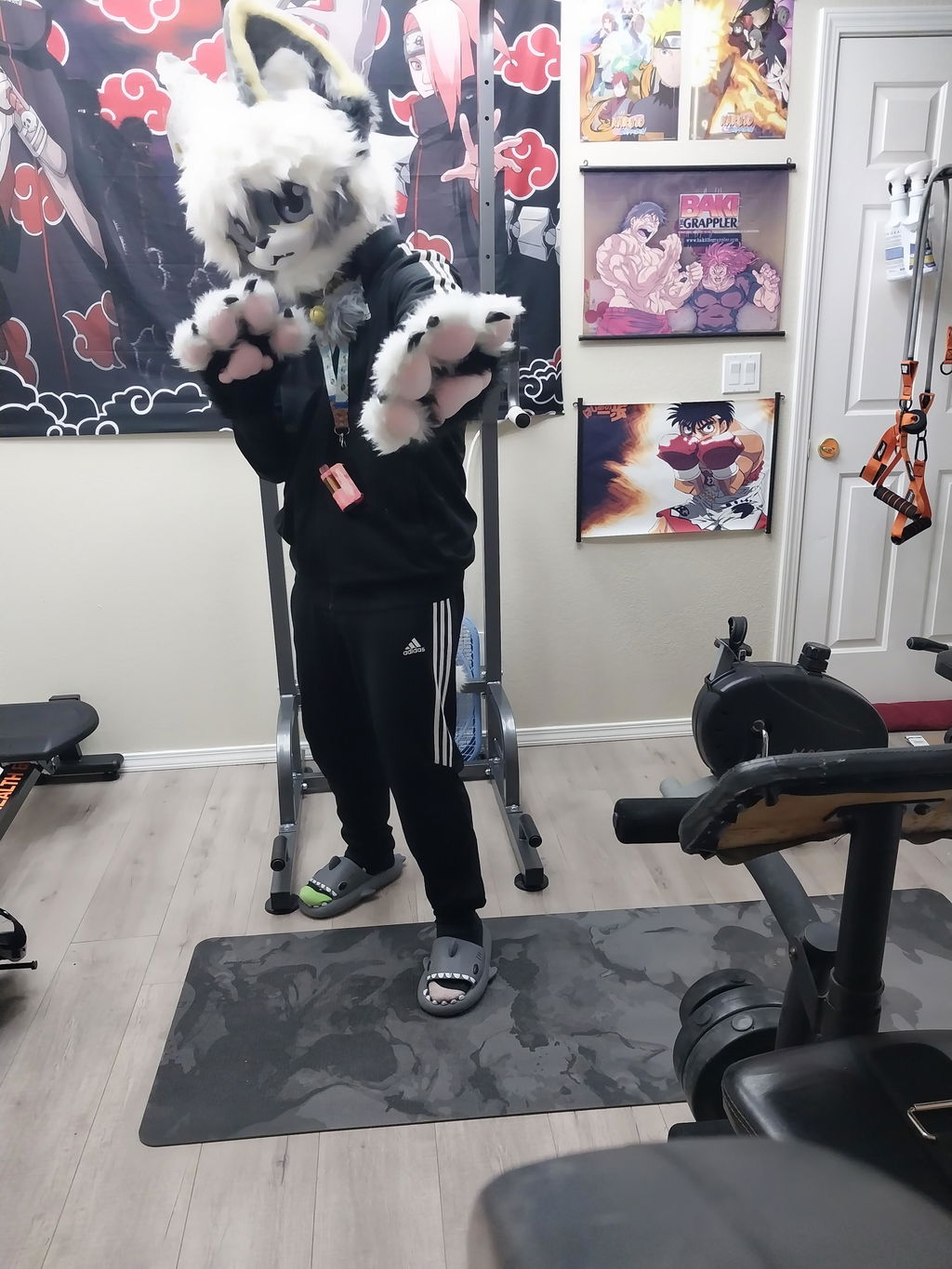
The useful distinction is coverage, not prestige. A full suit is intended to create a more complete visual transformation. A partial suit combines selected character pieces with everyday clothing, which can be easier to adapt across seasons and settings. Neither choice is automatically better. The right option depends on how much of the character you want to show, how often you expect to wear it, and what you want to coordinate yourself.
Before ordering, write down the minimum set that makes the character recognizable. It might be a head, paws, and tail. It might be a head with hand paws and a color-matched outfit. If you are planning a partial look, check the available categories at DokiDoki and make sure the supporting clothing will not hide the important markings.
- Choose a full suit when unified coverage is central to the character presentation.
- Choose a partial suit when flexibility, layering, or a lower-commitment first outing matters more.
- Choose individual pieces when one signature feature carries most of the character identity.
- List missing pieces before buying so you do not confuse a strong first item with a finished outfit.
The practical fact is visible in the catalog itself: pieces such as paws, tails, heads, undersuits, and complete fursuits are offered as separate product types. Treat that structure as a planning aid. A partial look is not an incomplete decision; it is a deliberate way to build a character around the situations in which you will actually wear it.
Compare face shape, expression, and visibility
Real use scenario: You are choosing between several attractive heads online and want to know which one will feel natural during greetings, photos, and short conversations.
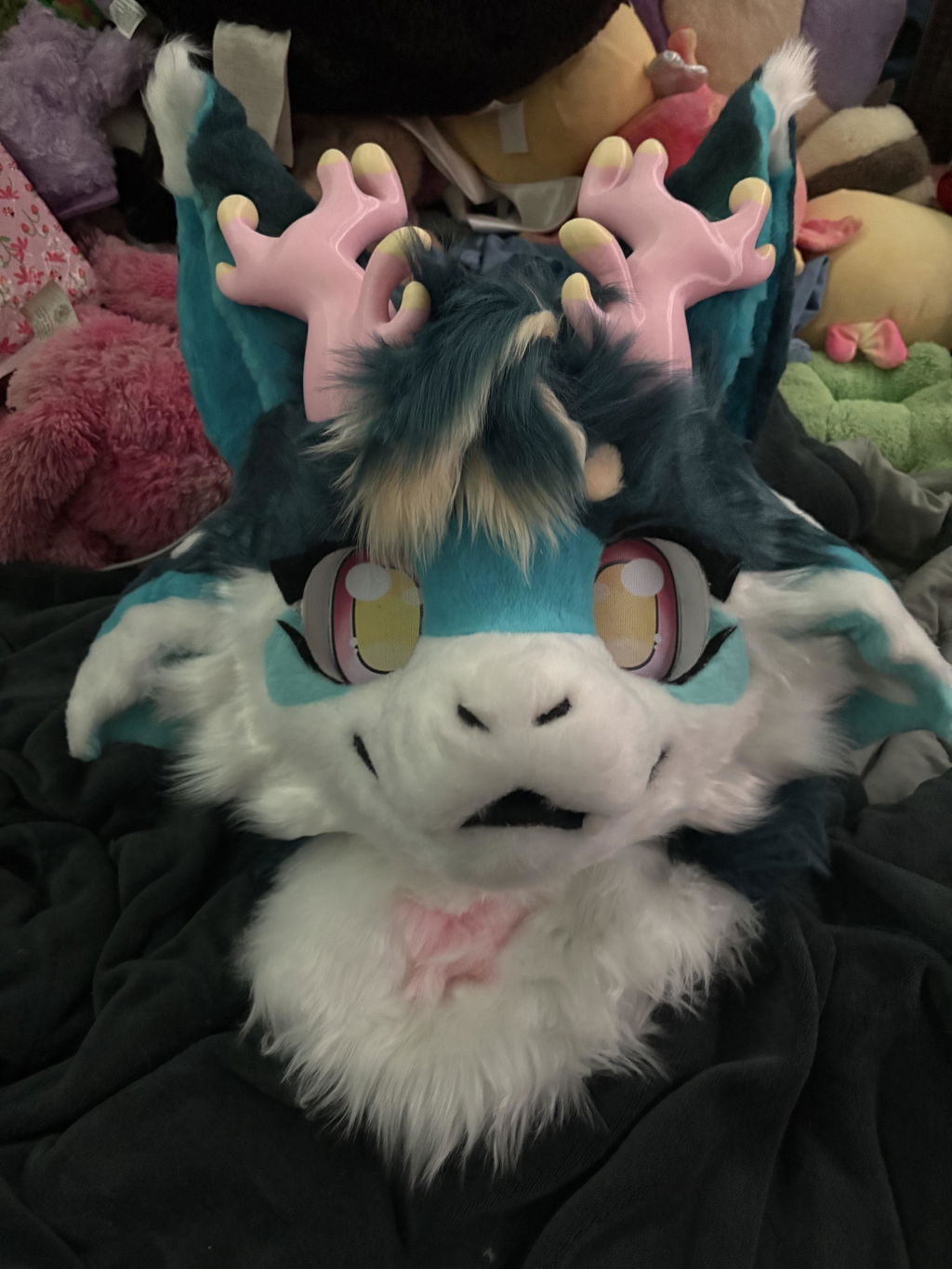
The head is usually the first feature other people notice, so compare more than the front image. Look for the expression, eye direction, ear placement, muzzle proportions, and how the character reads from a three-quarter view. A rounded, open expression may feel welcoming, while a sharper or more stylized expression may better fit a dramatic character. The important point is that the visual language should agree with your reference art.
Ask the seller or maker for the fit information that is not obvious from a photograph. You need to understand how the head is intended to sit, whether your measurements are requested, and what visibility expectations are described. Do not assume that a visual style tells you the exact fit or field of view. Those are separate buying questions.
- Save front, side, and angled reference images for comparison.
- Check whether the eyes and markings remain readable from the angle used in your typical photos.
- Confirm the measurement process and the information required before checkout.
- Plan short breaks and a place to store the head safely between appearances.
For customers who prefer a head-first purchase, an in-stock example such as Stolas Helluvaboss Cosplay Fursuit Head can be compared by its listed character name and presentation. A product name does not replace your own fit check, so keep the measurement questions separate from the style decision. DokiDoki also provides a dedicated care guide for planning storage and maintenance after your first event.
Build comfort into the outfit before the event
Real use scenario: You will wear your suit for photographs and walking between rooms, so comfort, layering, and quick changes matter more than the outfit looking perfect in a static image.
Start with the parts closest to your body. Consider what you will wear underneath, how you will move your arms and legs, and whether you can remove or adjust a layer without help. An undersuit is not a decorative detail: it can help you plan the boundary between your clothing and the costume. The catalog lists a Fursuit Undersuit Bodysuit as a separate item, but you should still confirm the listed fit information and decide whether it matches your intended coverage.
Hands and feet deserve the same attention. Paws change how you handle a phone, water bottle, badge, or door handle. Foot paws change your stride and the space you need around obstacles. Practice at home with the exact pieces you plan to use rather than testing everything for the first time at a crowded event.
- Walk, sit, turn, and reach while wearing the planned layers.
- Keep water, identification, and essential items accessible through a helper or a planned storage solution.
- Use short practice sessions to notice pressure points before a long day.
- Bring a repair and comfort kit appropriate to the pieces you own.
Current in-stock options include Premade Fursuit Paws and Lightweight Fursuit Half-Paws with Free Gloves. These are different kinds of choices, not interchangeable promises. Read each listing carefully, compare the intended use, and choose the part that solves your actual movement problem. A kemono look feels more convincing when you can move naturally inside it.
Choose color and accessory pieces as a system
Real use scenario: Your head already captures the character, but the outfit feels visually disconnected when you add paws, a tail, or ordinary clothing.
Color matching is a system of relationships rather than a search for one identical shade. Compare the main fur color, secondary markings, eye color, and accent pieces. If your character uses a small high-contrast detail, repeat that detail in a controlled way instead of adding unrelated colors. The goal is a coherent silhouette that still looks like the same character when photographed from several angles.
Tail placement also affects the way you move and sit. Before adding a tail, think about the chair you will use, how you will travel, and whether the tail is a character signature or a secondary accent. DokiDoki lists custom tail orders separately, which can be helpful when the character needs a specific shape or color relationship. Do not promise yourself a perfect match without checking the order information and reference requirements.
- Make a written color list using your character reference, not memory.
- Choose one or two repeating accent colors for paws, tail, clothing, or accessories.
- Check the back and side silhouette, not only the front view.
- Leave room for ordinary clothing to support the character rather than compete with it.
When a design needs a tailored accent, the Custom Fursuit Tail Order and Custom Paw Order–Design Your Unique Fursuit Paws listings are relevant starting points because they are present in the freshly checked catalog. Their listed inventory confirms that they can be linked for this review, but inventory does not tell you whether the color, measurements, or timeline suit your character. Those questions still belong in your buying checklist.
Make a calm buying checklist before checkout
Real use scenario: You have found a kemono design you love and are ready to buy, but you want to avoid missing a measurement, coverage, or care question.
A calm final check protects both your budget and your excitement. Read the title and description closely, save the reference images you used, and record every question that would change your decision. If a product page does not answer an important question, pause and ask before ordering. A confident purchase is one where you know what is included, what you must supply, and how the item fits into your event plan.
DokiDoki has a dedicated commission order process page and a fursuit care guide in the supplied site map. Use the process page when you are considering a custom direction, and use the care guide when you need a maintenance routine. For ready-made shopping, the product page remains the source for the exact item details.
- Confirm the item type: head, paws, feet, tail, partial, or full suit.
- Confirm what is included and which coordinating pieces are separate.
- Check measurements, fit instructions, and any reference files requested.
- Save the care instructions and plan where the item will be stored.
- Review the page again on the day you are ready to place the order.
That last step matters because a listing can change after you first see it. The catalog used for this review shows current numeric inventory for the linked items, but availability is not a guarantee about the future. Treat inventory as a reason to verify the page now, not as a promise to delay every other question.
Turn your first kemono purchase into a repeatable routine
Real use scenario: You have completed one event and want your next appearance to feel easier, more expressive, and less stressful.
After wearing the outfit, write down what worked while the experience is fresh. Note which piece made the character recognizable, which movement felt awkward, and what you wished you could reach without assistance. This turns a single purchase into useful information for your next decision. You may discover that a tail was essential for photos, that half-paws were easier for socializing, or that the head needed a different storage solution.
Keep the character brief, the measurements, and your care notes together. When you compare another kemono piece, you can judge it against the same reference instead of starting from zero. If you commission a new item, send a clear reference package and explain the real setting in which you will use it. A maker can only respond to the information you provide, so clarity is part of the creative process.
- Record the outfit combination that was easiest to wear.
- Photograph the full silhouette for your own future comparisons.
- Clean and store every piece according to the supplied care guidance.
- Update your character brief when markings, colors, or accessories change.
The best kemono fursuit is not simply the one that catches your eye first. It is the one whose face, colors, coverage, and practical demands support the character you want to share. Start with the performance you imagine, use the catalog to identify realistic options, and let each purchase answer a clear need. That approach gives you room to enjoy DokiDoki designs while keeping the final decision personal, informed, and comfortable.