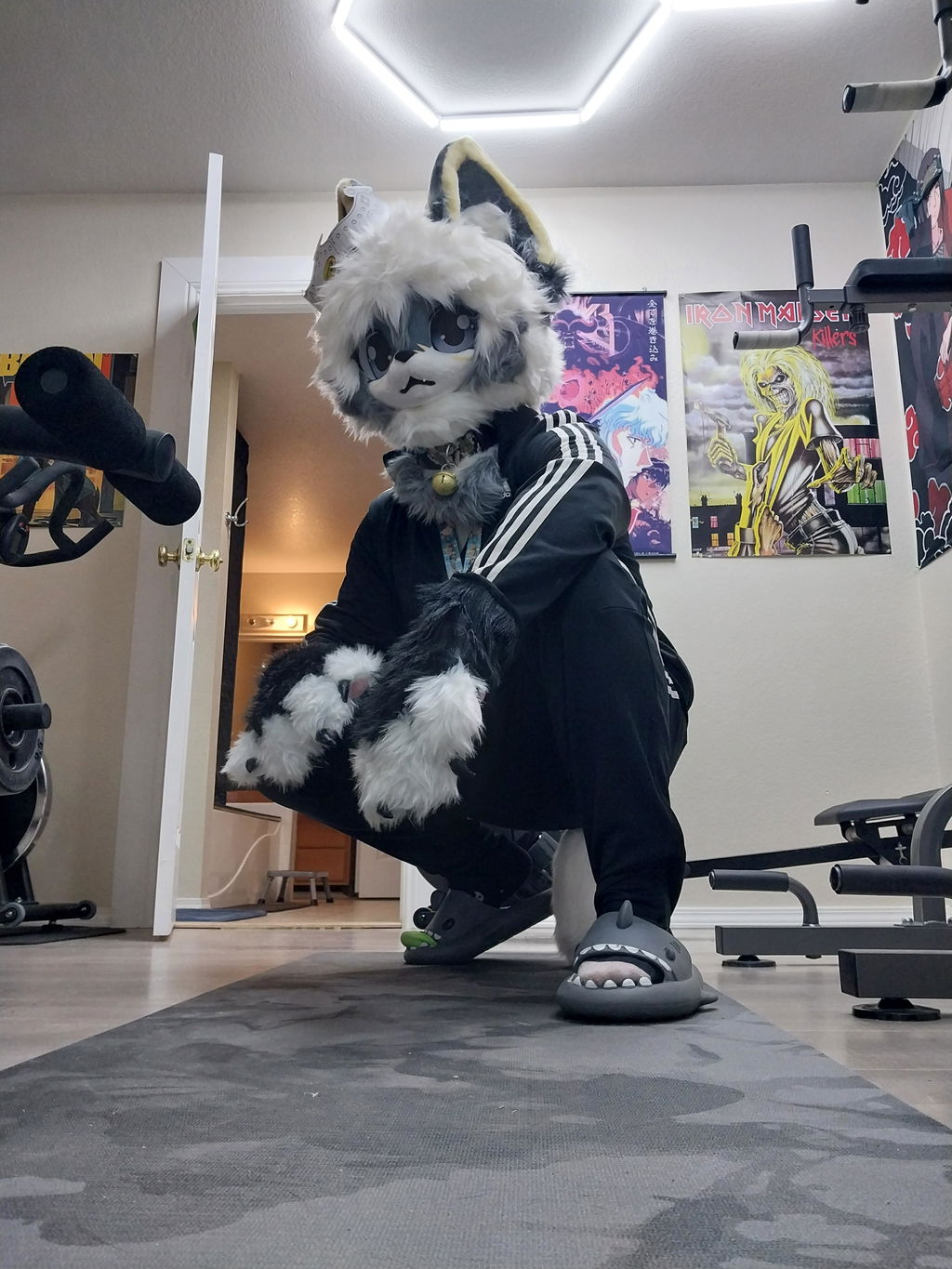
Choosing your first fursuit is exciting, but the number of decisions can make the process feel much bigger than it needs to be. You may be comparing a dramatic full suit with a flexible partial, wondering whether a cute head will fit comfortably, or trying to decide which visual style feels most like your character. The best choice is not simply the most elaborate one. It is the suit that supports how you actually want to perform, travel, socialize, and care for it.
This guide breaks the decision into practical steps. Start with your real use case, define the character details that matter most, and evaluate every option with the same fit, visibility, mobility, and care questions. Once those foundations are clear, browsing fursuits becomes less about reacting to a beautiful photo and more about finding a character you can enjoy wearing.
Start with the way you plan to wear your fursuit
Imagine two first-time buyers. One wants a character for short photo sessions and meetups, while the other wants to walk through a busy convention, dance, and travel with the suit. They may love the same design, but they should not automatically choose the same format. A fursuit that works beautifully for a controlled photo session may demand more visibility, mobility, transport space, or breaks when used in a crowded venue.
Your first action should be to write a simple use plan before you shop. Note where you expect to wear the suit, how long a typical session might be, whether a trusted handler will be present, and how you will transport the pieces. This is practical because wearing a head changes your field of view, while padded hands and feet can change how easily you grip objects or judge steps. More body coverage also means more pieces to pack, clean, dry, and store.
Use this scenario checklist to define what you need:
- Convention walking: prioritize clear sight lines, dependable fit, manageable footwear, and easy access to breaks.
- Photography: prioritize the silhouette, facial expression, markings, and poses you want the character to communicate.
- Dancing or active performance: test head stability, arm movement, balance, and how securely each separate piece stays in place.
- Casual meetups: consider a smaller set of pieces that can be transported and changed into without a complicated setup.
- Travel: measure your luggage or storage container before committing to large heads, feet, padding, or a full body.
If you are still exploring, browse DokiDoki’s fursuit head collection and compare how different head shapes would serve your intended activities. Do not ask only, “Do I love this face?” Also ask, “Can I picture myself wearing and handling this at the event I actually attend?”
Choose between a head, partial, and full suit
A common first-buyer scenario is loving the complete look of a full suit while knowing that most planned appearances will be short local events. In that case, starting with a head or partial can offer a complete character impression with fewer pieces to manage. On the other hand, someone whose main goal is full-body stage photos may value the uninterrupted silhouette of a full suit enough to accept the extra storage and care.
The factual difference is coverage. A head is one character piece. A partial combines a head with some mix of paws, feet, a tail, sleeves, or other accessories according to the specific listing. A full suit adds body coverage, though the exact included pieces and construction must always be checked on the product page. Never assume that every maker or listing uses “partial” and “full” in exactly the same way.
Compare the formats with these practical questions:
- Head only: Do you want the simplest introduction to wearing a character, or do you already own clothing that supports the design?
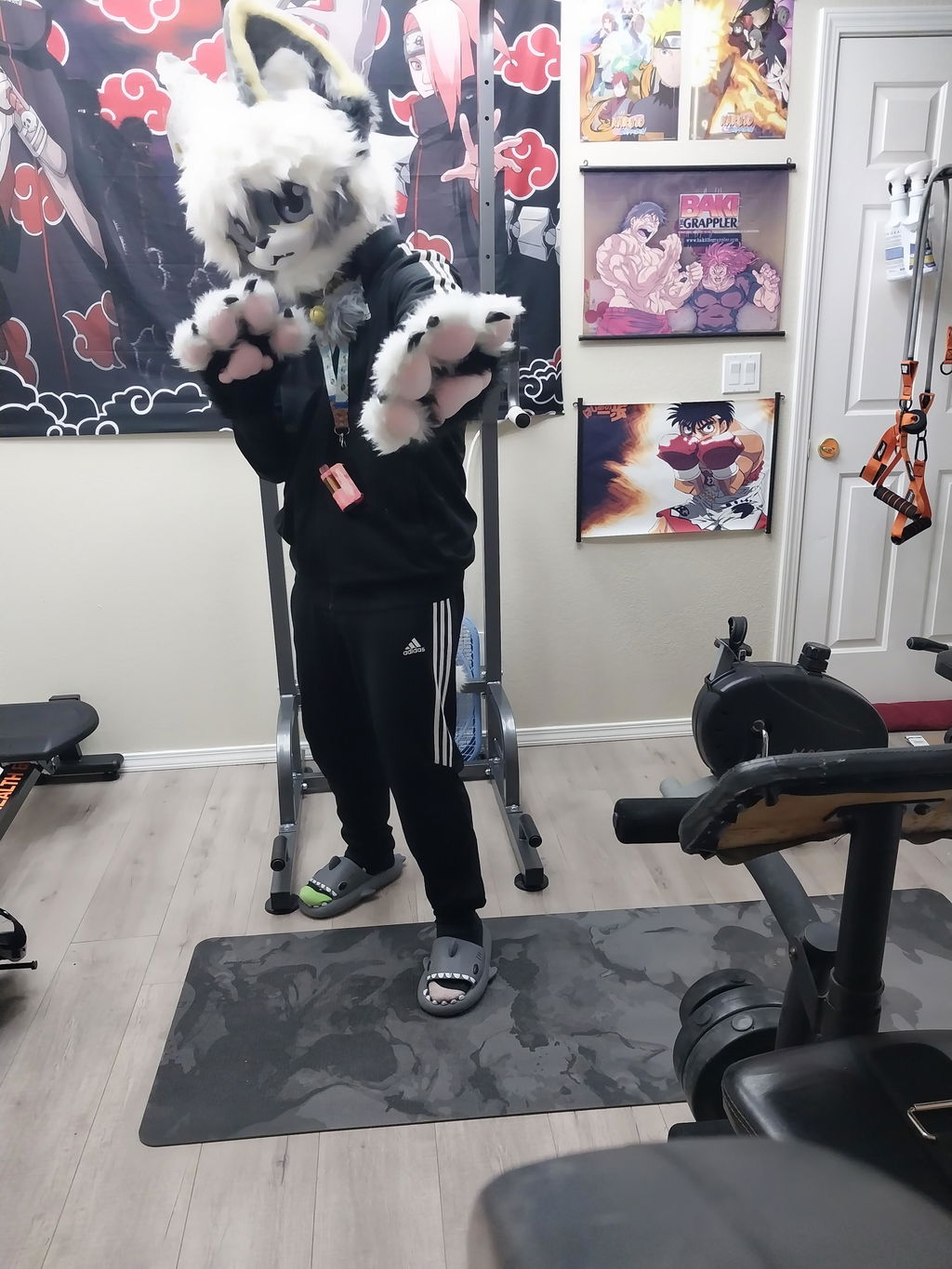
- Partial: Can you coordinate ordinary clothing with the fur colors and keep the transition between costume and clothing visually intentional?
- Full suit: Do you have enough changing space, storage, drying space, and help for the way you plan to use it?
- Separate accessories: Does the listing clearly state which paws, tail, feet, sleeves, or padding are included?
- Future additions: Would you rather begin with a head and build the character over time, or receive a coordinated set at once?
A useful exercise is to assemble the clothing you would wear with a partial and take a full-body photo. This reveals whether the colors and proportions feel cohesive before you buy more pieces. If hand paws are part of your plan, DokiDoki’s Premade Fursuit Paws provide a concrete product page to study while deciding how paws would affect your look and everyday handling. Check the current listing itself for included details rather than relying on assumptions from the product name.
Match the visual style to your character and performance
Suppose your character is energetic and expressive, but the suit you are considering has a calm face and subtle markings. The craftsmanship may be appealing, yet the visual language could fight the way you want to perform. Fursuits communicate through silhouette, eye shape, muzzle form, color blocking, ears, and posture. Because a fixed face cannot change expression like a human face, those design choices carry much of the character’s emotional message.
Begin with three character words, such as “gentle, curious, playful” or “bold, mischievous, theatrical.” Then compare each candidate against those words. This gives you a defensible design standard instead of choosing only by trend. Styles such as kemono and toony often use different approaches to proportion and facial exaggeration, but labels alone are not enough; individual suits within a category can still vary widely.
Review these visible elements in order:
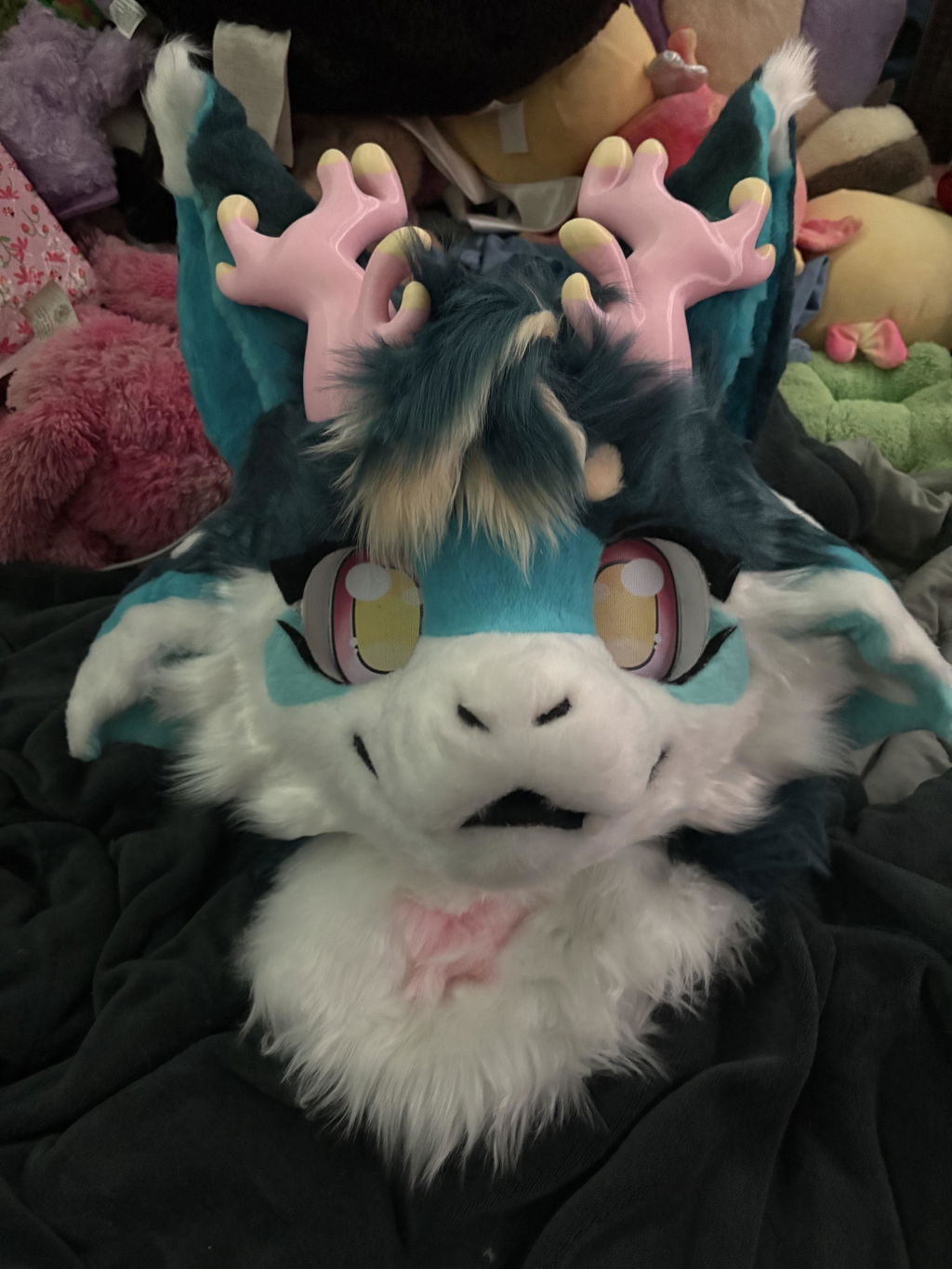
- Silhouette: Look at the ears, cheeks, muzzle, hair, horns, and tail from a distance. The outline should remain recognizable.
- Expression: Decide whether the eyes and mouth support the mood you want in most photos and interactions.
- Color blocking: Check whether important markings remain readable under indoor lighting and in full-body views.
- Species cues: Identify which features make the character read as its intended species rather than relying only on the listing title.
- Wardrobe compatibility: For a partial, compare the fur colors with clothing you genuinely own and enjoy wearing.
For a side-by-side style study, open the DokiDoki kemono collection and toony collection in separate tabs. Focus on observable differences in silhouette and expression, then return to your three character words. The right style is the one that communicates your character consistently, not the one you feel pressured to choose because it has a familiar label.
Check fit, visibility, and movement before committing
Picture receiving a head that looks perfect on display but shifts whenever you turn quickly. That movement can interrupt performance and make already limited sight lines harder to use. Fit is therefore not a minor comfort detail; it affects stability, orientation, and confidence. The same principle applies to paws that interfere with gripping, feet that alter your sense of floor position, and body pieces that restrict your normal reach.
Ask the seller for the measurements and fit information relevant to the exact item. Compare them with measurements taken carefully and, when possible, with help from another person. A head should not be judged by hat size alone unless the listing specifically uses that system. Hair, glasses, balaclavas, and other layers you plan to wear can also change the practical fit, so disclose them when asking questions.
Use a repeatable movement review rather than a quick mirror check:
- Turn your head slowly left and right, then look up and down without the head sliding out of position.
- Locate objects at eye level, near the floor, and at the sides to understand the usable field of view.
- Walk a short clear route, stop at a marked point, turn around, and step over a low visible marker with a handler present.
- Raise both arms, cross them in front of your body, sit, and stand to identify restricted seams or padding.
- Practice holding a phone, badge, water container, and door handle while wearing the intended paws.
When buying online, request the information needed to make those checks meaningful, but do not expect a seller to guarantee a fit without accurate measurements. For premade fursuits, confirm the current measurements before purchasing. For custom work, follow the maker’s measurement instructions exactly and clarify anything ambiguous in writing. A striking design cannot compensate for a suit you avoid wearing because it shifts, blocks essential vision, or limits your planned movement.
Plan heat, breaks, and event support before the first outing
Your first convention is not the right moment to discover that you cannot communicate clearly, find your changing area, or manage a long walk in suit. Fursuit heads and body coverage retain more warmth than ordinary clothing, and reduced peripheral vision can make navigation more demanding. Conditions differ by wearer, construction, activity, and venue, so there is no honest universal wear-time rule. The safe approach is to plan short sessions, pay attention to your body, and take breaks before discomfort becomes an emergency.
Rehearse at home in a clear, cool area with another person nearby. Begin with the pieces separately, then combine them. This rehearsal is not about proving endurance. It is a chance to learn how the suit affects vision, hearing, balance, hand use, and communication. Stop immediately if you feel unwell, confused, faint, unusually short of breath, or unable to navigate safely.
Prepare this event support list:
- Handler: Agree on help with crowds, stairs, doors, photos, and recognizing when you need a break.
- Signals: Choose simple gestures for “stop,” “water,” “exit,” “I cannot hear,” and “I need the head removed.”
- Route: Locate changing rooms, quieter areas, exits, and places where you can safely remove the head.
- Hydration: Arrange accessible drinks and practice using them with your actual costume setup.
- Session plan: Schedule breaks and leave enough time to change without rushing between activities.
Some wearers consider accessories such as the DokiDoki Portable Fursuit Fan. Treat any accessory as one part of preparation, not as permission to ignore heat, symptoms, breaks, or venue conditions. Read the current product page before deciding whether it suits your setup, and never place equipment where it obstructs vision, breathing, or safe head removal.
Review care, storage, and seller information as part of the purchase
Consider the day after an event: the suit is warm from wear, you are tired, and your hotel room has limited space. If you did not plan how to dry, pack, and transport each piece, care becomes stressful. Moisture left in costume pieces can create odor and material problems, while crushed storage can distort shapes. Exact cleaning methods depend on the materials and construction, so generic advice should never override care instructions for the specific suit.
Before buying, ask what can be cleaned, how it should be dried, whether any parts are removable, and which areas need especially gentle handling. Keep those instructions in a place you can find after an event. DokiDoki listings and seller messages should be read as item-specific information; if a care detail is missing, ask rather than guessing. The same discipline applies to repairs, alterations, included pieces, and order terms.
Finish with this purchase review:
- Listing scope: Save a copy of what is included and confirm any accessories shown only for styling.
- Measurements: Record both your measurements and the item measurements, including the date they were taken.
- Care instructions: Confirm cleaning, drying, brushing, and storage guidance for the actual materials.
- Condition: For premade or previously handled items, review current photos and ask clear condition questions.
- Communication: Keep answers about fit, alterations, timing, and included components together with the order record.
- Storage: Reserve a clean, dry location that protects the head shape and keeps all character pieces together.
A good first purchase decision should still make sense after the initial excitement passes. You should know where you will wear the suit, how each piece fits into the character, what you can see and do while wearing it, who will support you at an event, and how you will care for it afterward. When those answers are clear, fursuits stop feeling like an overwhelming category and become a set of understandable choices. Choose for your real life, verify the details of the exact listing, and give yourself permission to start with only the pieces you are ready to enjoy.