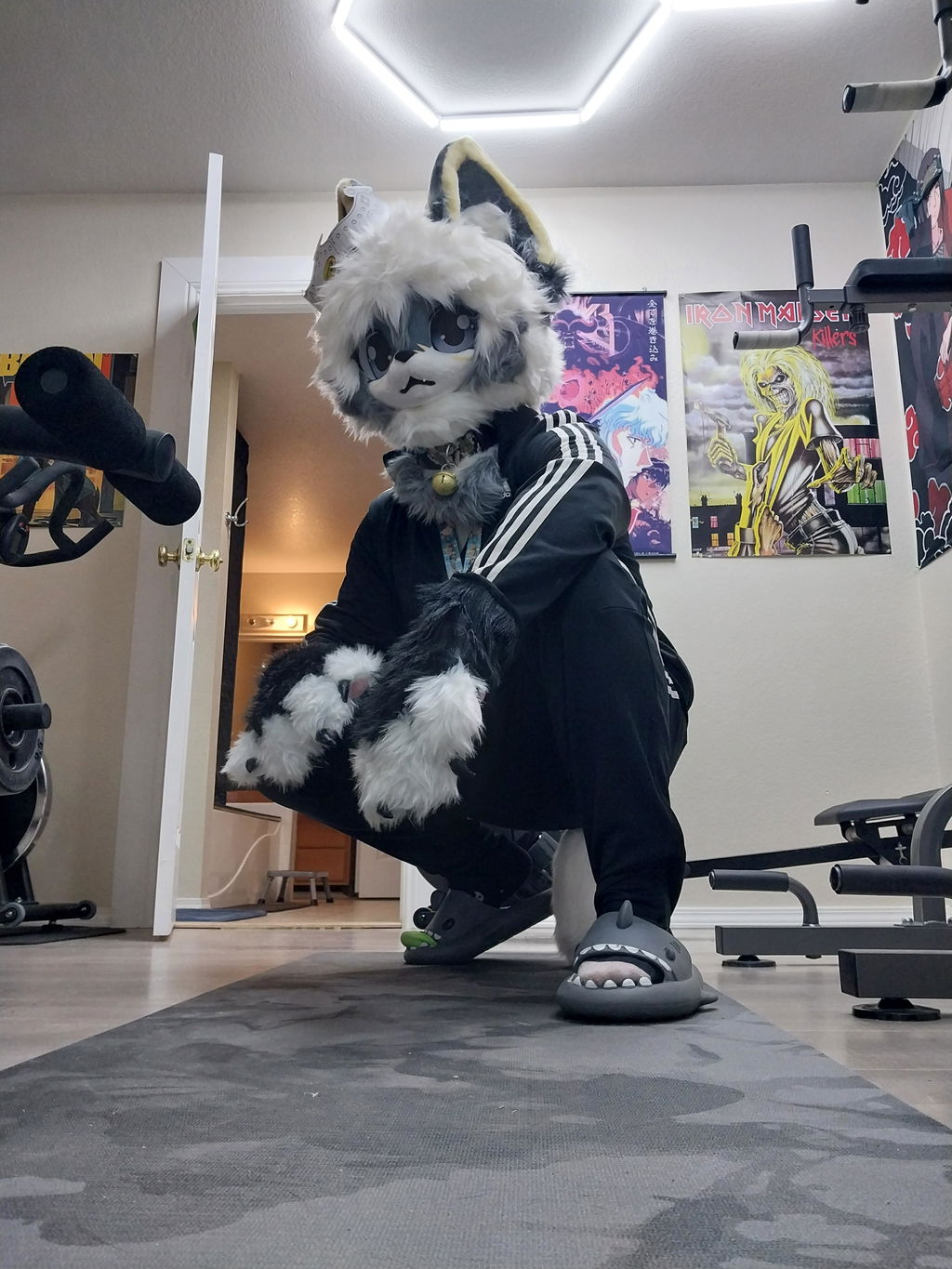
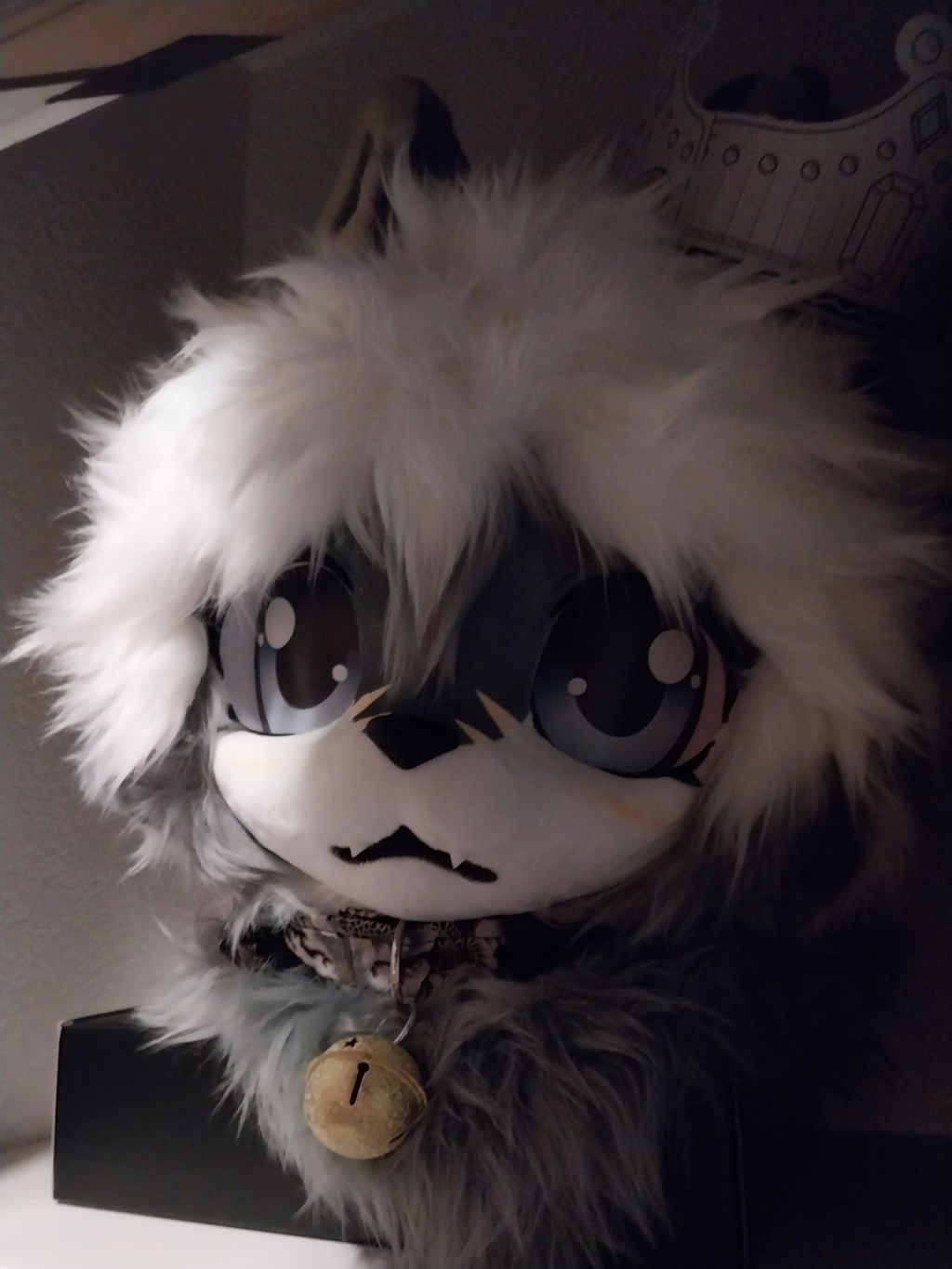
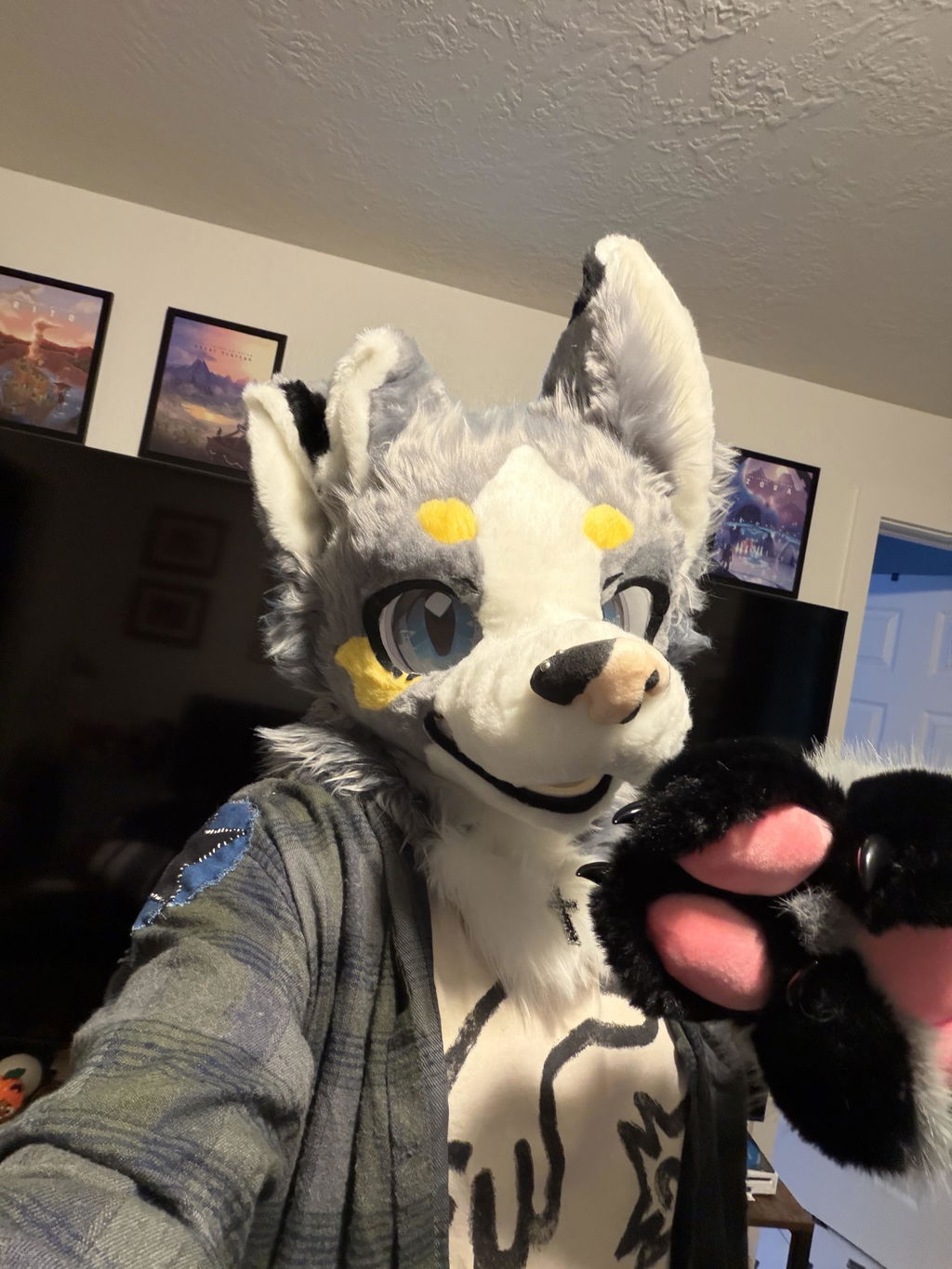
A kigurumi fursuit can look wonderfully expressive in photos, but choosing one well takes more than falling for a cute face. The shape of the head, the placement of the eyes, the balance of the ears, and the way the character reads from different angles all affect how enjoyable the suit will be to wear. A thoughtful choice starts with your intended use: convention roaming, short photo sessions, dance, character performance, or simply collecting a design you love.
This guide gives you a practical way to compare options without assuming that every wearer needs the same thing. You will learn how to recognize the style, assess a design, ask useful fit questions, and decide whether a head, mini partial, or larger set suits your plans. Start with function, then let the visual details refine your choice.
Understand What Makes a Kigurumi Fursuit Distinct
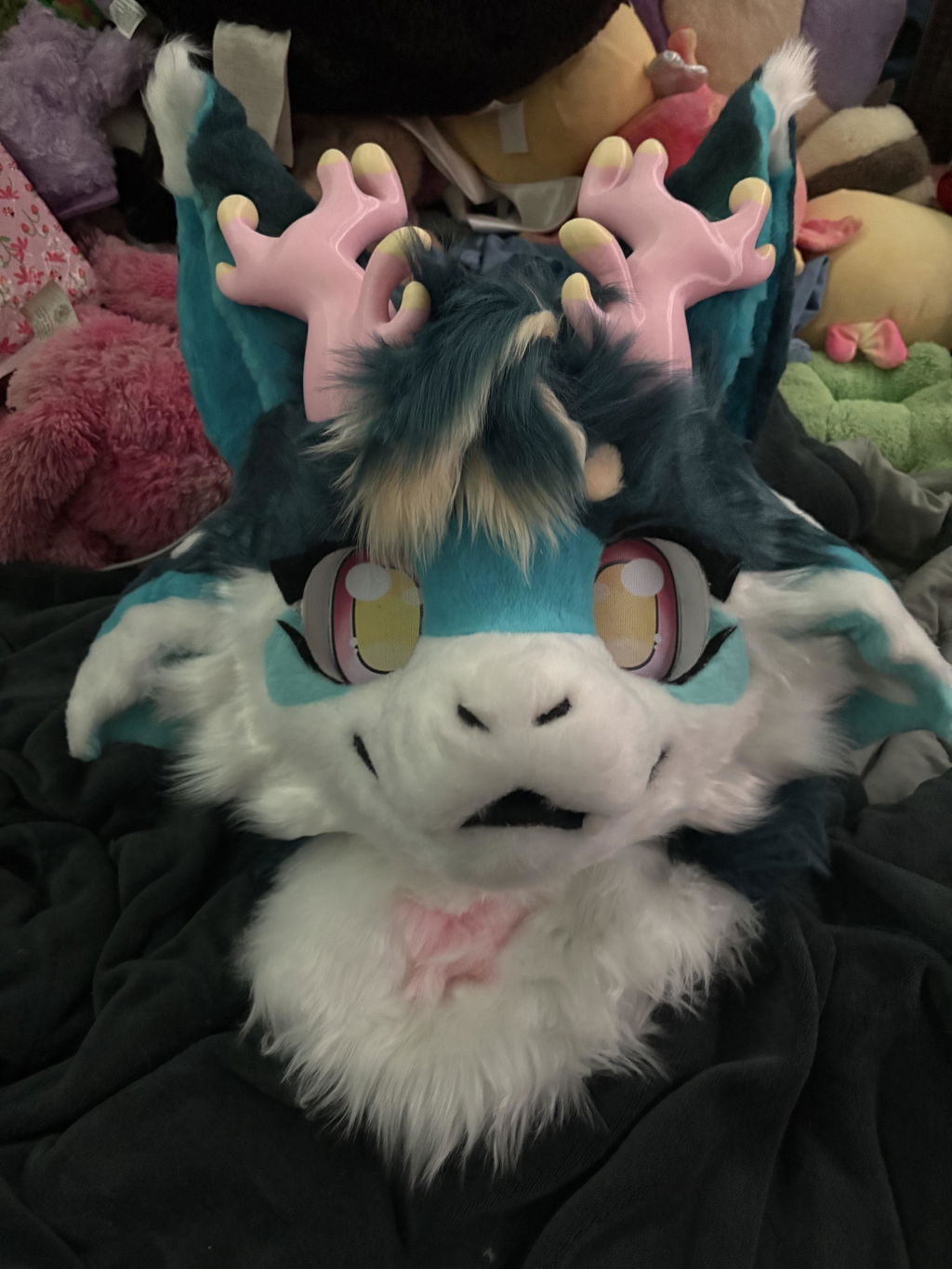
Imagine scrolling through several character heads before a convention. One has large, graphic eyes and a smooth, character-like face; another has a pronounced muzzle and more animal anatomy. The first may fit the visual language many shoppers associate with a kigurumi fursuit, but labels alone are not enough. Makers and stores may use style terms differently, so compare the actual silhouette and construction shown rather than relying only on a category name.
The defensible fact here is simple: the visible design determines what other people see, while the label does not change the object itself. Look at front, side, and three-quarter views whenever they are available. A face that looks balanced from the front may have a very different profile, and tall ears or hair can change the apparent scale of the whole head.
- Check whether the eyes, muzzle, cheeks, and forehead create the expression you want.
- Compare the side profile, not just the strongest listing photo.
- Notice whether hair, ears, horns, or accessories define the silhouette.
- Ask yourself whether the character still reads clearly at a distance.
DokiDoki shoppers can use individual designs such as the Kig Blond-Haired Bat Dragon No.011 as a concrete reference for comparing fantasy features with simpler animal characters.
Choose a Character That Matches Your Real Use
Suppose your main goal is walking a busy convention floor for two hours, greeting friends, and posing for quick photos. That calls for a different decision than planning controlled studio portraits where you can remove the head between shots. Your use case should influence how much visual complexity, projection, and attached decoration you are willing to manage.
A head is physically larger than your uncovered head, and projecting ears or decorative elements occupy additional space. That observable fact matters around doorways, crowds, elevators, and photo backdrops. Complexity is not automatically a problem, but it creates handling considerations. A compact cat or puppy silhouette may be easier to navigate, while a dragon or four-eared fantasy character may deliver the stronger visual statement you want.
- For crowded events, prioritize a silhouette you can judge and protect while moving.
- For photography, consider how the colors will separate from your usual backgrounds.
- For performance, choose an expression that supports the character's personality.
- For collecting, focus on the design itself while still planning safe storage.
Write one sentence describing your most common wearing situation before browsing. For example: “I want a cheerful character for indoor convention photos and short walks.” That sentence becomes a useful filter when several appealing options compete for your attention.
Evaluate Fit Before You Commit
Picture receiving a beautiful head and discovering that it shifts whenever you turn quickly. A secure, comfortable fit is not merely a convenience; it affects where the eye openings remain relative to your eyes. Because different heads and wearers have different dimensions, do not infer fit from a model photo or from the character's apparent size.
The reliable fact is that a wearable head has to accommodate the wearer's actual head and any intended underlayer, glasses, or hair arrangement. Ask for the available internal measurements and compare them with measurements taken consistently. If a listing does not provide enough information, ask before deciding rather than filling the gaps with assumptions.
- Measure around the widest part of your head with the tape level.
- Note whether you intend to wear glasses, a balaclava, or secured long hair.
- Ask how the head is held in place and whether adjustment is possible.
- Confirm what measurements the seller needs and how they should be taken.
- Do not use age, height, or general clothing size as a substitute for head measurements.
If you are comparing ready-to-wear characters such as the Kig One-Eyed Cat No.020, keep the design decision separate from the fit decision. Loving the character does not answer the sizing question; both need a clear yes.
Check Vision, Hearing, and Movement as a System
At a convention, you may need to notice a handler beside you, turn toward a photographer, and step around bags or costume pieces. A character head changes your normal sensory field. Eye openings limit vision to the areas they expose, and layers around the ears can alter how clearly you hear. The exact effect depends on construction and fit, so it should be checked for the specific head.
Use listing images to identify likely eye placement, but ask direct questions when the information is not shown. Once you have the item, test it in a clear indoor area before entering a crowd. This is actionable because vision is directional: looking straight ahead does not prove you can see low obstacles or movement at the sides.
- Ask where the wearer sees through and whether internal photos are available.
- Test forward, downward, and side awareness separately.
- Practice turning, stopping, and passing through a doorway in a clear room.
- Use a trusted handler in crowded or unfamiliar spaces.
- Remove the head in an appropriate private area if you feel disoriented.
Do not treat appearance and wearability as competing goals. A strong kigurumi fursuit choice is a design whose limitations you understand and can manage for your intended activity.
Decide Between a Head and a Partial Set
Imagine that you already own clothing that perfectly matches your character. A head alone may give you the transformation you want with a simpler transport and storage plan. If you want a more unified look in full-body photos, paws and a tail can extend the character's colors and markings beyond the face. Neither format is universally better.
A set with more pieces requires more storage volume and more items to track, clean, and pack. That follows directly from the number of components. Before buying, read the listing's included-items information carefully; a styled photograph can show accessories or clothing that are not necessarily part of the product.
- Choose a head when facial performance is your priority and you want flexible styling.
- Consider a mini partial when coordinated paws and a tail matter to your character read.
- List every included component before comparing two options.
- Plan a labeled packing place for each removable piece.
- Check whether your existing outfit leaves the intended amount of skin covered.
For a ready-made example with a different soft-animal silhouette, view the Kig Lop-Eared Bunny No.023. Use it to compare ear shape and overall character direction, then verify the listing details that matter to your own setup.
Compare Color, Expression, and Character Read
Suppose you need the character to feel sweet in one photo and mischievous in the next. A fixed fursuit face will not move like a human face, so posing, head angle, paw position, and camera angle carry much of the performance. The sculpted or built expression remains visually present even when your pose changes.
Study the eyebrow area, eyelid shape, mouth line, and cheek forms. Those visible elements support the perceived mood. Also compare the character under more than one lighting condition when photos allow it, since the camera, screen, and light can all affect how colors appear. Do not promise yourself an exact real-world shade based on a single screen image.
- Pick three personality words and test each design against them.
- Cover decorative accessories in the photo mentally and assess the base face.
- Check whether important markings remain clear from several angles.
- Consider whether your usual clothing supports or competes with the palette.
- Save reference images for planning poses, not as a guarantee of color.
DokiDoki offers varied character directions, including the Kig Siamese Cat No.022. Comparing two or three genuinely different silhouettes is more useful than comparing many nearly identical designs, because the contrast reveals what you consistently prefer.
Plan Safe First Wear, Care, and Storage
Your first wear should not begin at the busiest moment of an event. Set up a short home trial with clear floors, comfortable room conditions, and another person nearby if possible. You are learning the head's boundaries, how it shifts, and how your normal movements translate into costume movement.
Heat and moisture can build during wear because the head adds material around your face and scalp. The amount varies by wearer, activity, environment, and construction, so use your own condition rather than a fixed time limit. Take breaks, drink water, and stop if you feel unwell. Follow any maker-provided care instructions for the specific materials; do not assume one cleaning method is safe for every head.
- Begin with a brief indoor fit and movement check.
- Arrange a clear signal with your handler before entering a crowd.
- Carry water and schedule breaks based on how you actually feel.
- Let worn pieces dry appropriately before enclosed storage.
- Support the head so ears, hair, and facial forms are not crushed.
- Keep the storage area away from uncontrolled moisture and direct hazards.
A simple pre-event checklist prevents small omissions from becoming stressful. DokiDoki customers should keep listing-specific instructions with their packing notes so care guidance stays connected to the correct item.
Use a Final Buying Checklist Before Checkout
You have found a character you love, but excitement can make unanswered questions easy to overlook. Pause and run one final review as though you were packing the item for your next real event. This converts an abstract purchase into a practical ownership decision.
Inventory status can change, and a product page represents a specific item or offer at the time you view it. Confirm the current page, included pieces, and seller information before checkout. DokiDoki's current catalog can help you explore kigurumi-style options, but the final choice should still pass your personal fit, use, and care checks.
- Does the silhouette match the character you want to portray?
- Have you confirmed fit using actual measurements?
- Do you understand where you will see through the head?
- Are all included pieces clearly identified?
- Can you transport and store every component without crushing it?
- Do you have a first-wear and event-break plan?
- Have you saved the relevant care guidance?
The best kigurumi fursuit is not simply the most detailed option. It is the one whose character excites you, whose practical requirements you understand, and whose format fits the way you genuinely plan to wear it. Make those decisions in that order, and the visual magic has a much stronger foundation.