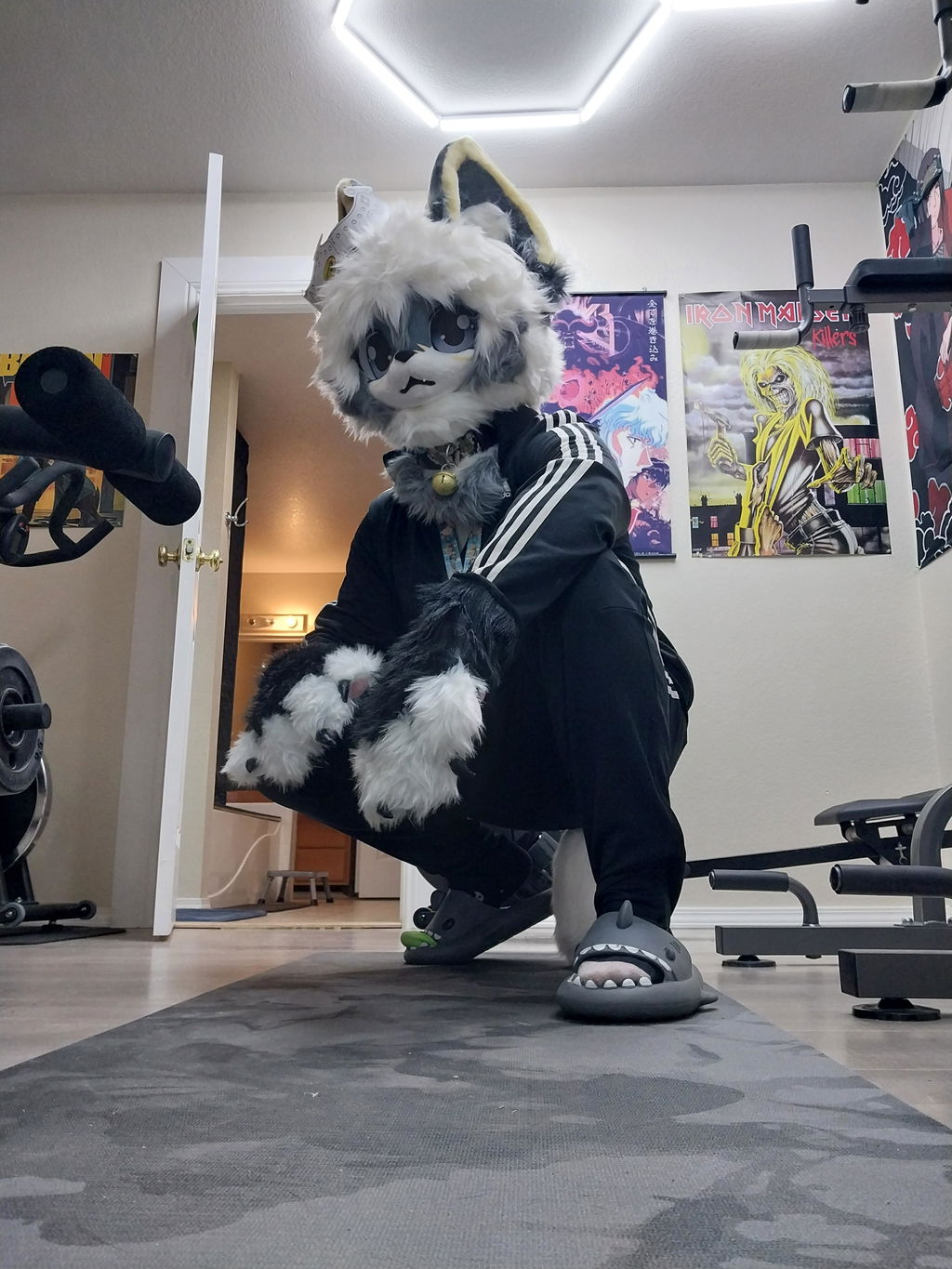
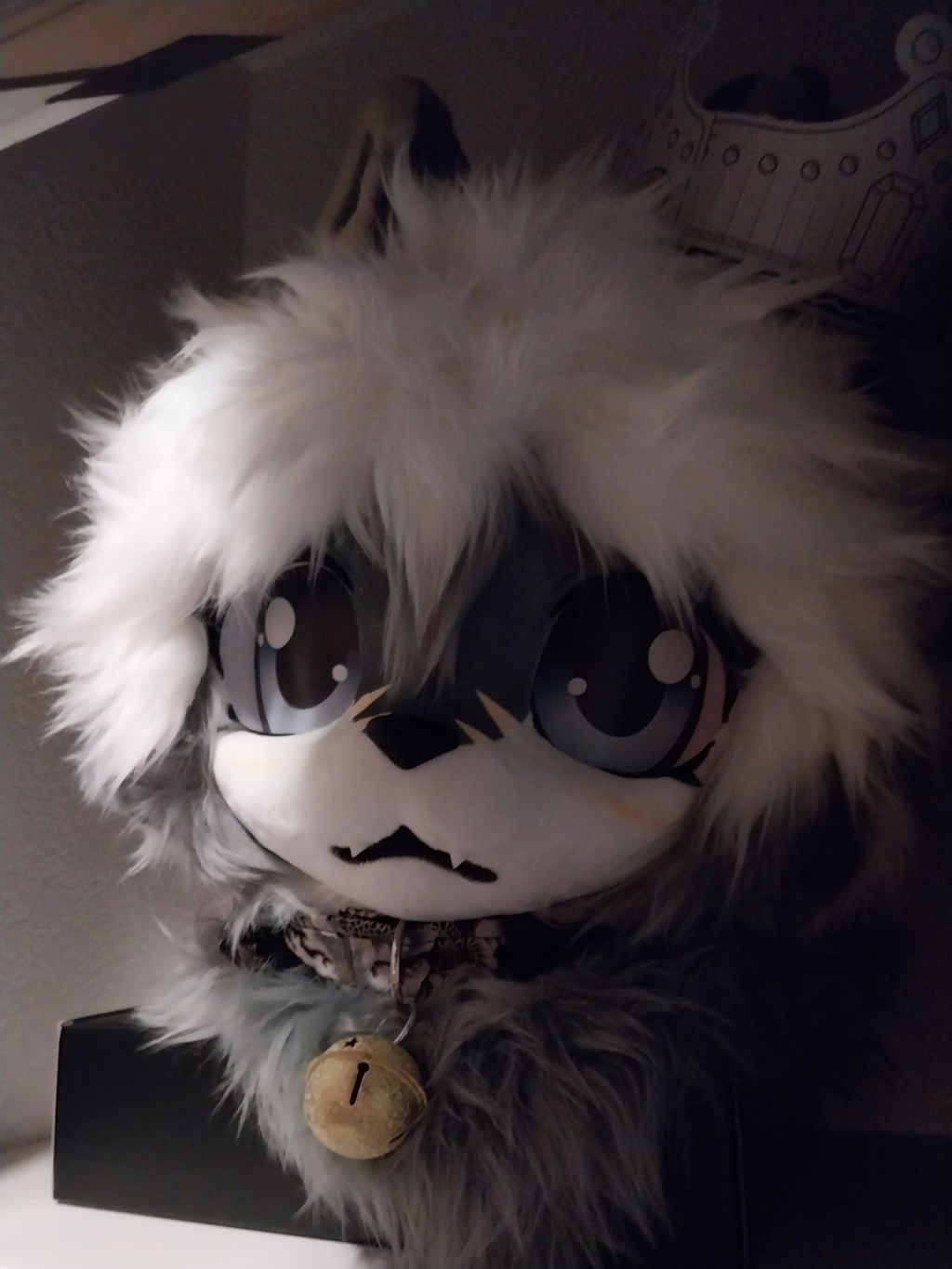
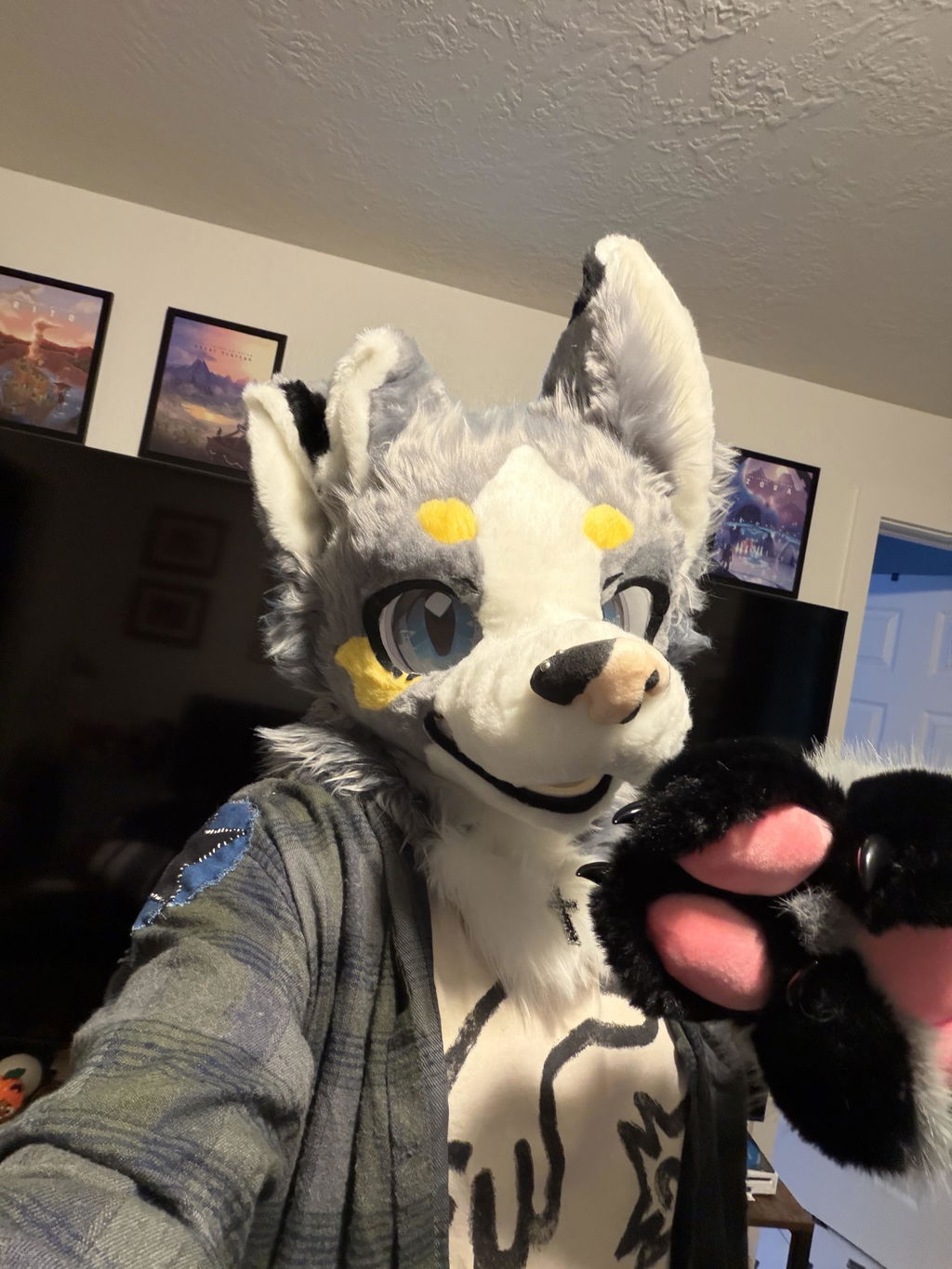
Choosing a fursuit is exciting, but it can also feel like a lot of decisions arriving at once: character style, visibility, comfort, parts, travel needs, care routine, and how much of the costume you actually want to wear. A good choice starts with the life you want the suit to have. Will it be for conventions, photos, short videos, local meetups, dance clips, display, or a first step into the furry community?
This guide is written for buyers who want a practical path before they fall in love with a look. DokiDoki carries complete suits, partial pieces, heads, paws, tails, feet paws, undersuits, and style-specific options, so the easiest way to shop is to match the build to your use case first. Once the use case is clear, the visual style and product format become much easier to judge.
Start With the Moment You Want Your Fursuit to Serve
Imagine your first real outing in costume. One person may be walking a busy convention floor for several hours, another may only need a dramatic head-and-paws look for photos, and someone else may be building a fursona slowly with separate parts. Those are different buying scenarios, even if all three shoppers are searching for a fursuit.
The most useful first decision is not color or species. It is coverage. A full fursuit gives the strongest head-to-toe character presence, while a partial setup can be easier to transport, easier to cool down in, and easier to mix with outfits. A head, paws, tail, and feet paws can already read clearly on camera, especially when the character design has strong colors or recognizable shapes.
A defensible store fact helps here: the current DokiDoki catalog separates shopping paths for heads, paws, tails, feet, partials, accessories, Kemono style, Toony style, Kig style, and Realistic style. That structure mirrors how most buyers actually make decisions. You are not choosing one vague costume; you are choosing a format and then building the character around it.
- Choose a full suit when you want the most complete transformation for performance, photos, or display.
- Choose a partial when you want strong character impact with more flexibility in clothing, travel, and heat management.
- Choose separate parts when you are testing a fursona, upgrading an older setup, or spreading the build over time.
- Choose accessories after the main silhouette is settled, not before, so the final look stays coherent.
Match Style to Personality Before Comparing Details
A fursuit style should communicate the character before anyone reads a bio. A soft, cute, expressive character usually needs different proportions than a sharper creature, a cosplay-inspired design, or a more animal-like face. This is where buyers often get stuck, because many suits look impressive in isolation. The better question is: which style makes your fursona feel most immediate?
For an anime-influenced look, Kemono and Kig styling can be helpful because the face shape, eye treatment, and cuteness cues are usually more stylized. For a bright convention presence, Toony designs can make expressions readable from across a room. For a grounded animal impression, Realistic styling can support a more natural creature concept. None of these is automatically better; each serves a different audience and setting.
DokiDoki has dedicated catalog paths for Kemono, Toony, Kig, and Realistic styles, which gives buyers a practical way to compare visual language without mixing every product into one long page. If you are choosing between styles, save three examples from each style and look for the repeated traits: muzzle shape, eye size, ear placement, cheek volume, and how the colors are blocked.
- Pick Kemono when you want a cute, anime-leaning presence with soft expression and playful proportions.
- Pick Toony when you want a bold, readable character that works well in photos, events, and friendly performance.
- Pick Realistic when the fursona depends on animal texture, natural expression, or a more grounded silhouette.
- Pick Kig style when you want a doll-like or cosplay-adjacent character language rather than a classic mascot profile.
Build a Partial Fursuit That Still Feels Complete
A partial fursuit is often the smartest first build for someone who wants to attend events, take photos, and learn what wearing a character feels like before committing to full-body coverage. The scenario is simple: you want people to recognize the character instantly, but you also want easier packing, easier breaks, and more outfit variety.
The anchor pieces are usually the head, paws, and tail. Feet paws can make the look more complete, especially for indoor photo sets or convention spaces where footwear matters visually. An undersuit can also be useful when the costume has gaps between parts or when comfort under a full or partial build matters. DokiDoki's current catalog includes in-stock options for paws, custom paws, tails, foot paws, and an undersuit bodysuit, so a buyer can think in modules rather than treating the whole project as one huge purchase.
If you are building around an existing head, match the new parts to the head first. Fur tone, paw pad color, claw color, and tail shape should support the face instead of competing with it. If you are starting with paws or a tail, keep the palette simple enough that a future head can join the design naturally.
- Start with the head if expression and identity matter most.
- Add paws when hand movement, posing, and photos are part of the plan.
- Add a tail when the character needs a clear species cue from the back or side.
- Add feet paws when the outfit needs full-body balance in photos.
- Add an undersuit when comfort, coverage, or layering matters for your wearing plan.
Use Ready-Made and Custom Pieces for Different Jobs
Ready-made and custom pieces solve different buyer problems. A ready-made piece is helpful when you want to move faster, see the finished look clearly, or add a practical part to a partial build. A custom piece is better when your character has specific colors, markings, or proportions that cannot be found in an existing design.
For example, Premade Fursuit Paws can help a buyer complete a partial look without designing every detail from scratch. If the fursona needs more specific hand colors or markings, Custom Paw Order-Design Your Unique Fursuit Paws is a better fit because the job is identity, not just coverage. The same thinking applies to a tail: Custom Fursuit Tail Order - Design Your Unique Tail supports a character whose silhouette depends on tail shape or color.
A useful fact from the current store catalog is that these linked pages are valid product paths for planning paws and tail pieces. That does not mean every design choice is identical; it means the buyer can compare real product options while staying focused on the character goal. The buyer still needs to read each product page carefully and choose based on the character goal.
- Use ready-made pieces when speed, clarity, and simple coordination matter most.
- Use custom pieces when markings, colors, or silhouette are central to the fursona.
- Do not mix too many unrelated ready-made parts unless the colors and textures already agree.
- Keep a reference sheet nearby when choosing custom paws, tails, or feet paws.
Plan Comfort for Convention Days and Long Photo Sessions
The best-looking fursuit still needs to work on the body. A buyer who plans to walk a convention floor, queue for photos, travel between hotel and venue, or film short clips should think about comfort before adding extra complexity. Heat, movement, visibility, storage, and recovery breaks all affect whether the suit feels joyful or exhausting.
Start by separating visual pieces from support pieces. Visual pieces create the character: head, paws, tail, feet paws, and body coverage. Support pieces help the wearer stay organized and comfortable. A bodysuit layer can help with fit and coverage under costume parts; for example, the Fursuit Undersuit Bodysuit - Comfortable and Form-Fitting is one product path in the catalog for buyers thinking about what goes under the costume. If you need stronger lower-body character shape, Custom Fursuit Foot paws - Multiple colors available can help complete the silhouette.
A practical store fact is that DokiDoki groups accessories separately from full suits and style collections. That matters because comfort planning is its own decision layer. You can love a dramatic design and still choose a simpler event setup for your first long wear.
- Test how long you can wear each part at home before planning a full event day.
- Pack a brush, water, repair basics, and a bag plan before the first outing.
- Choose partial coverage for crowded or warm events if endurance is the priority.
- Use feet paws mainly where the floor, venue rules, and photo goals make sense.
Check the Character Design Like a Buyer, Not Just a Fan
It is easy to fall for a fursuit because one photo has the perfect pose. A better buying habit is to inspect the character from the front, side, back, and movement angles. The scenario here is a buyer comparing several suits late at night and feeling pulled toward the most dramatic one. Slow down and ask whether the design still works when the character is standing normally, waving, sitting, or being photographed beside friends.
Look for large readable shapes first: ears, muzzle, cheeks, brows, tail, and color blocking. Then look at the details: paw pads, claws, markings, accessories, and how the colors repeat across the body. If a detail appears only once and does not connect to anything else, it may feel random in the final outfit. If a color repeats in the head, paws, and tail, the character usually feels more intentional.
The DokiDoki catalog includes many one-of-one style entries as well as modular pieces, which makes comparison useful. A unique finished suit can be wonderful when it already matches your fursona's energy. Modular parts are better when you are still shaping the character and want the freedom to refine the design over time.
- Compare front, side, and back views whenever the product page gives enough visual information.
- Check whether the color palette repeats across head, paws, tail, and feet.
- Ask whether the suit reads clearly from a distance, not only in close-up detail shots.
- Save your top choices for a day before buying if two styles feel equally strong.
Make the Final Choice With a Simple Buying Checklist
Before you choose a fursuit, bring the decision back to purpose. A convention performer, a shy first-time attendee, a collector, a cosplayer, and a fursona creator may all need different things. The right suit is the one that supports the way you will actually use it, not just the one with the most impressive product photo.
If you are still unsure, choose the smallest complete version of the character that would make you happy. For some buyers, that means a strong head and paws. For others, it means a full-body look. For many first-time shoppers, a partial build is the sweet spot because it leaves room to learn. DokiDoki can fit naturally into that process because the store carries both expressive finished designs and practical parts that help buyers build in stages.
Use this final pass to reduce regret. Check use case, style, coverage, comfort, care, and whether every linked product or collection you plan to rely on is still available when you are ready. A fursuit is personal, but a clear checklist turns that personal choice into a calmer buying decision.
- Use case: where will you wear or display the suit most often?
- Coverage: do you need full, partial, head-only, paws, tail, feet paws, or support layers?
- Style: does the face shape match the character's personality?
- Comfort: can you manage heat, movement, storage, and breaks?
- Continuity: do the colors and shapes work together across every visible part?
When those answers line up, the choice becomes much clearer. The goal is not to buy the biggest fursuit possible. The goal is to choose a character build you will feel confident wearing, caring for, photographing, and growing with.