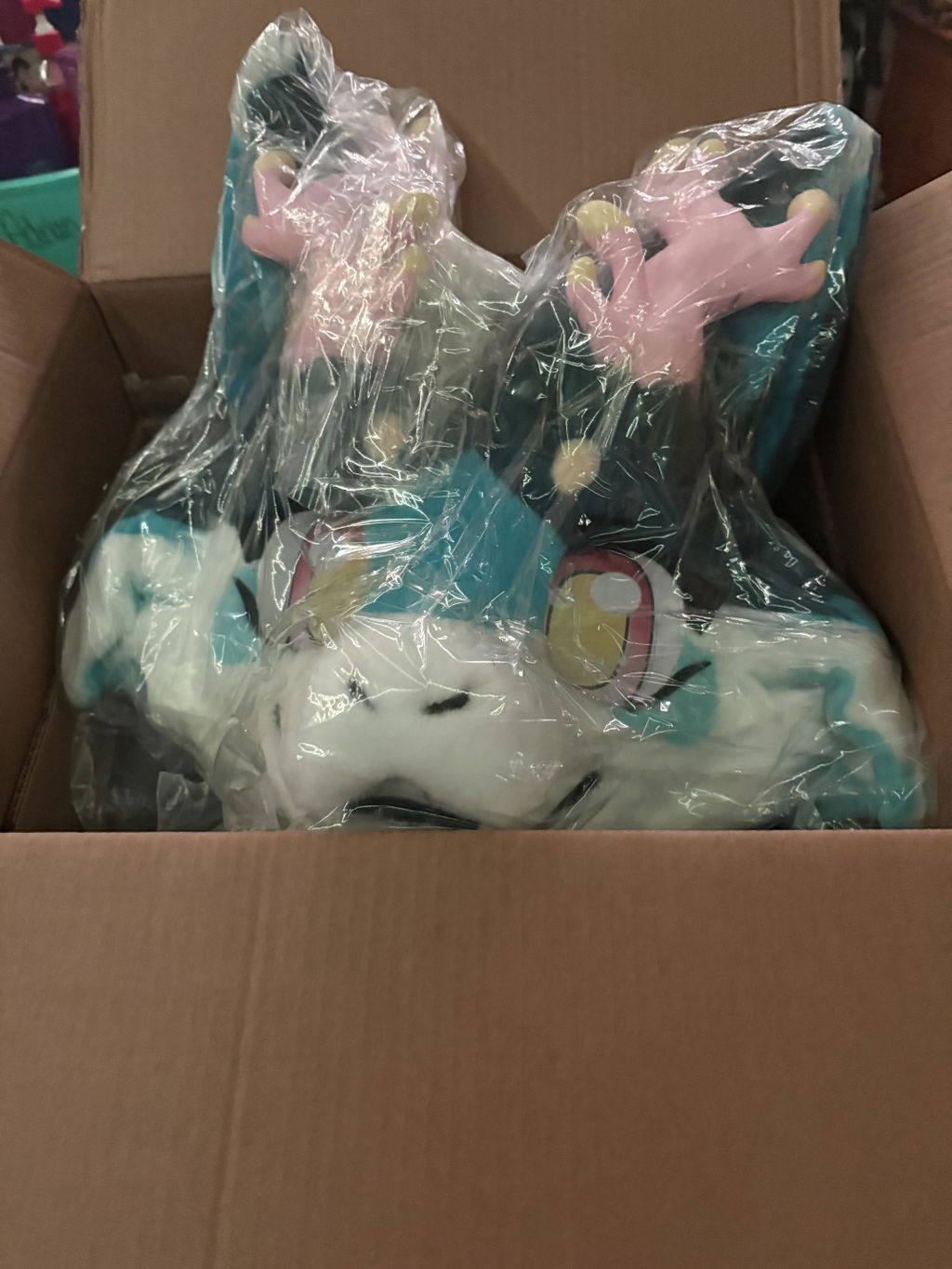
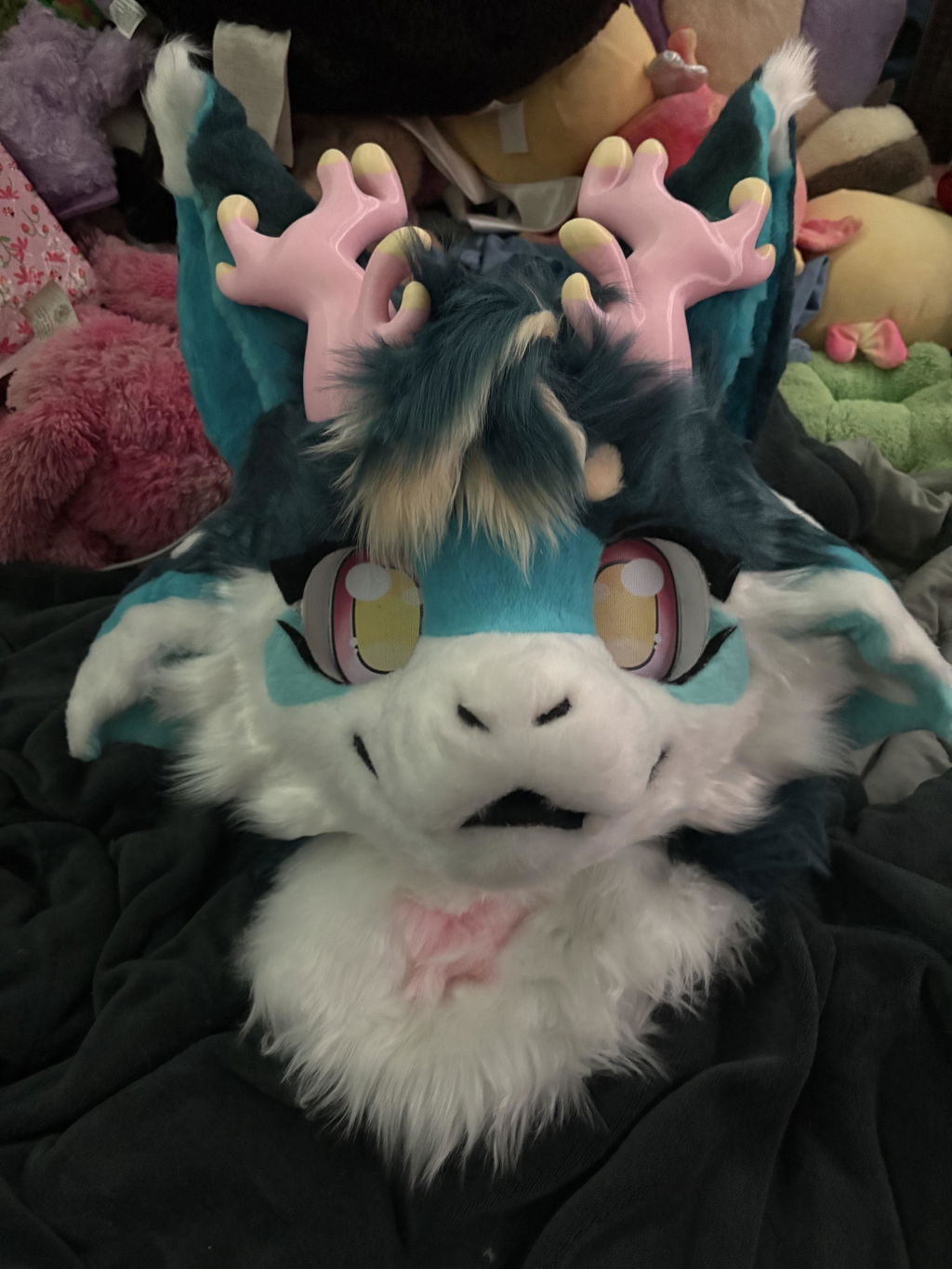
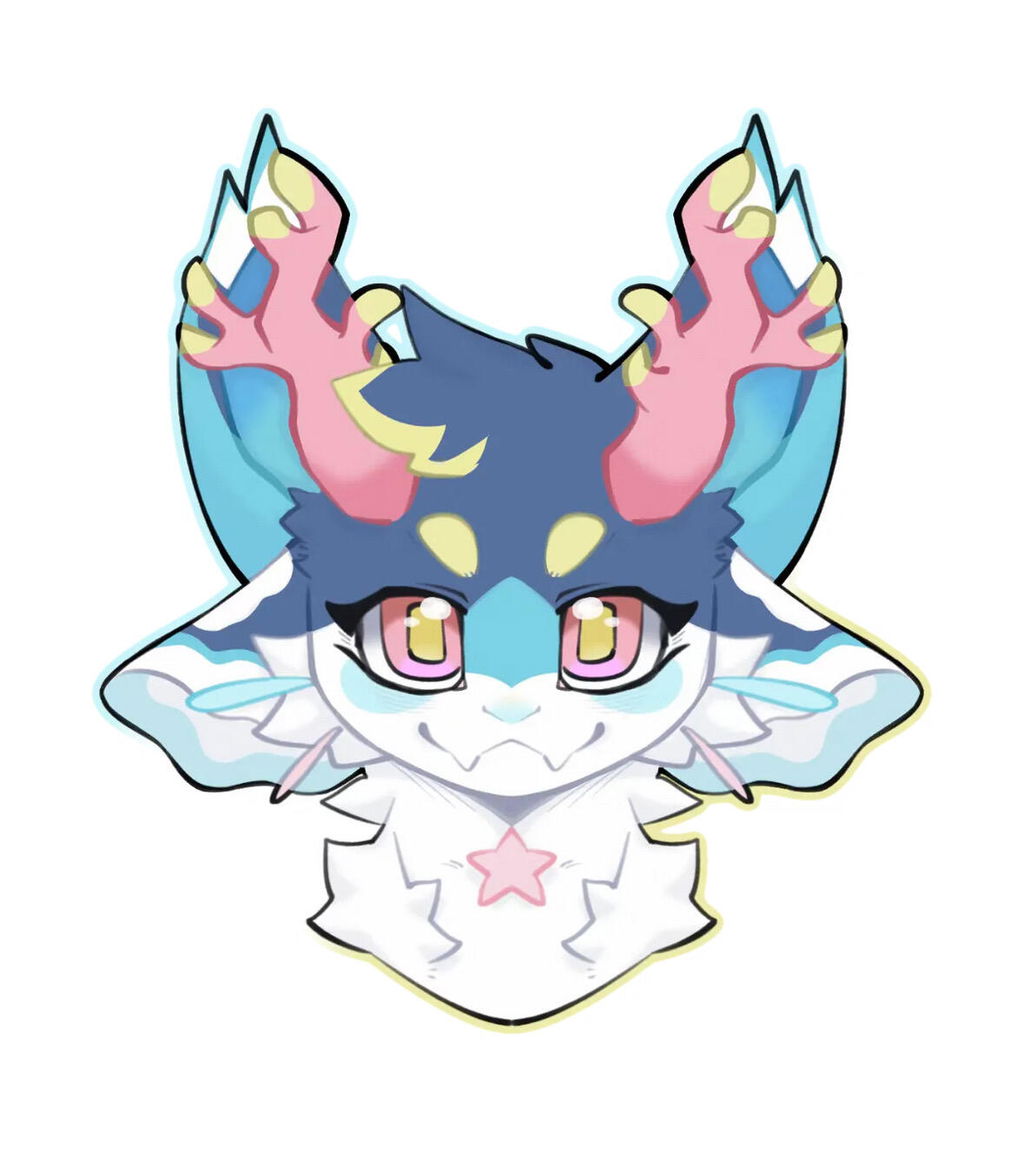
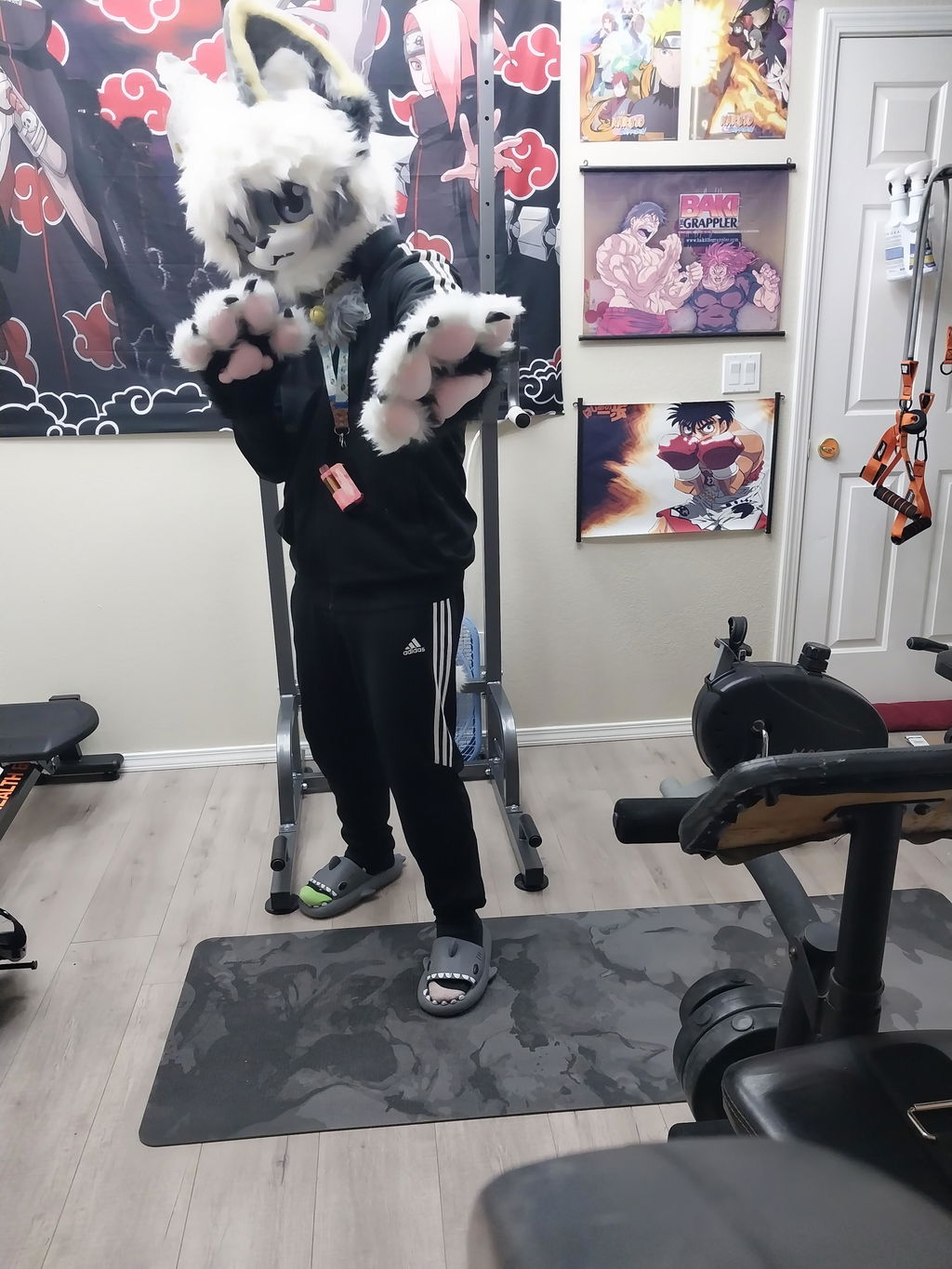
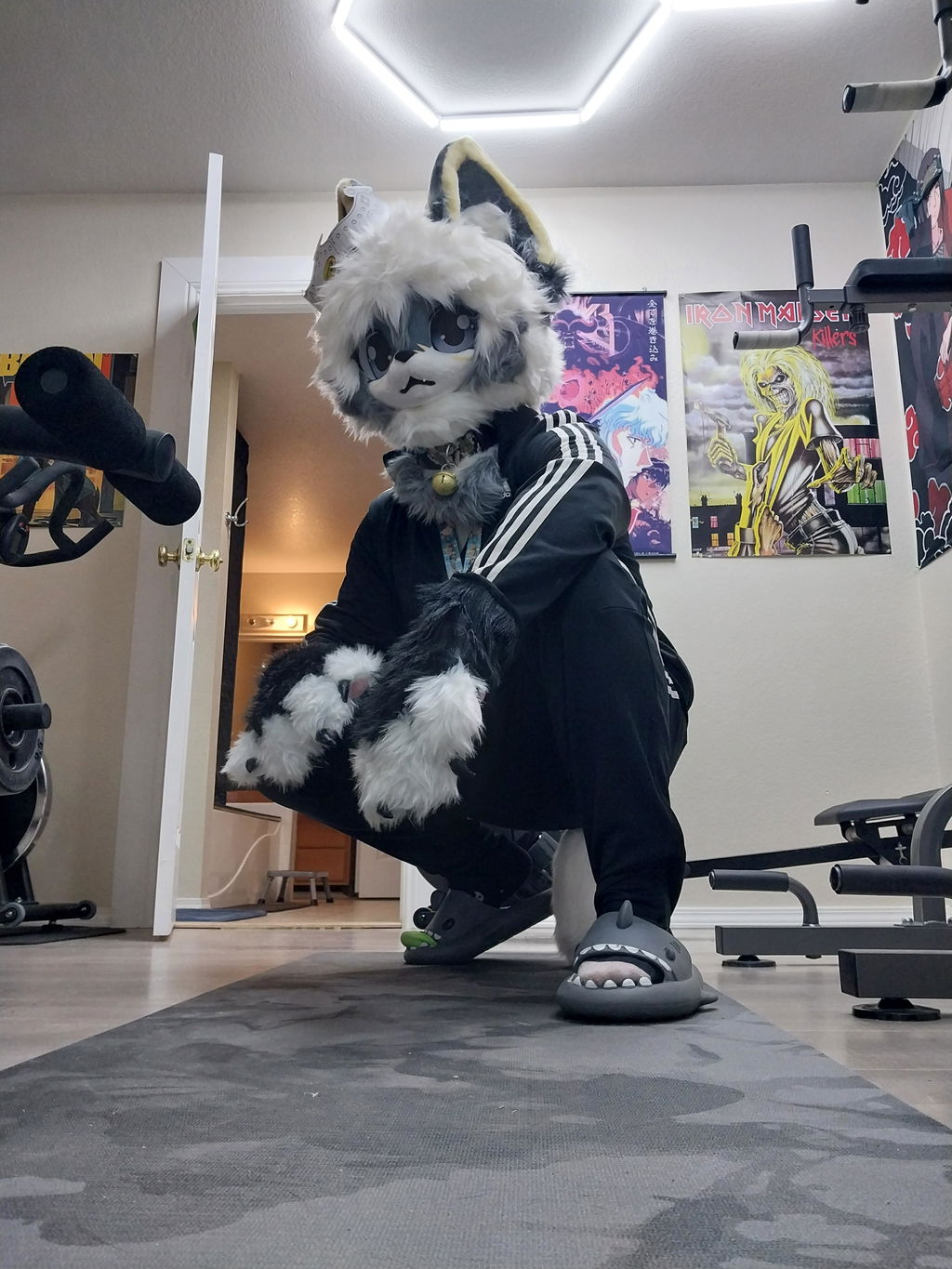
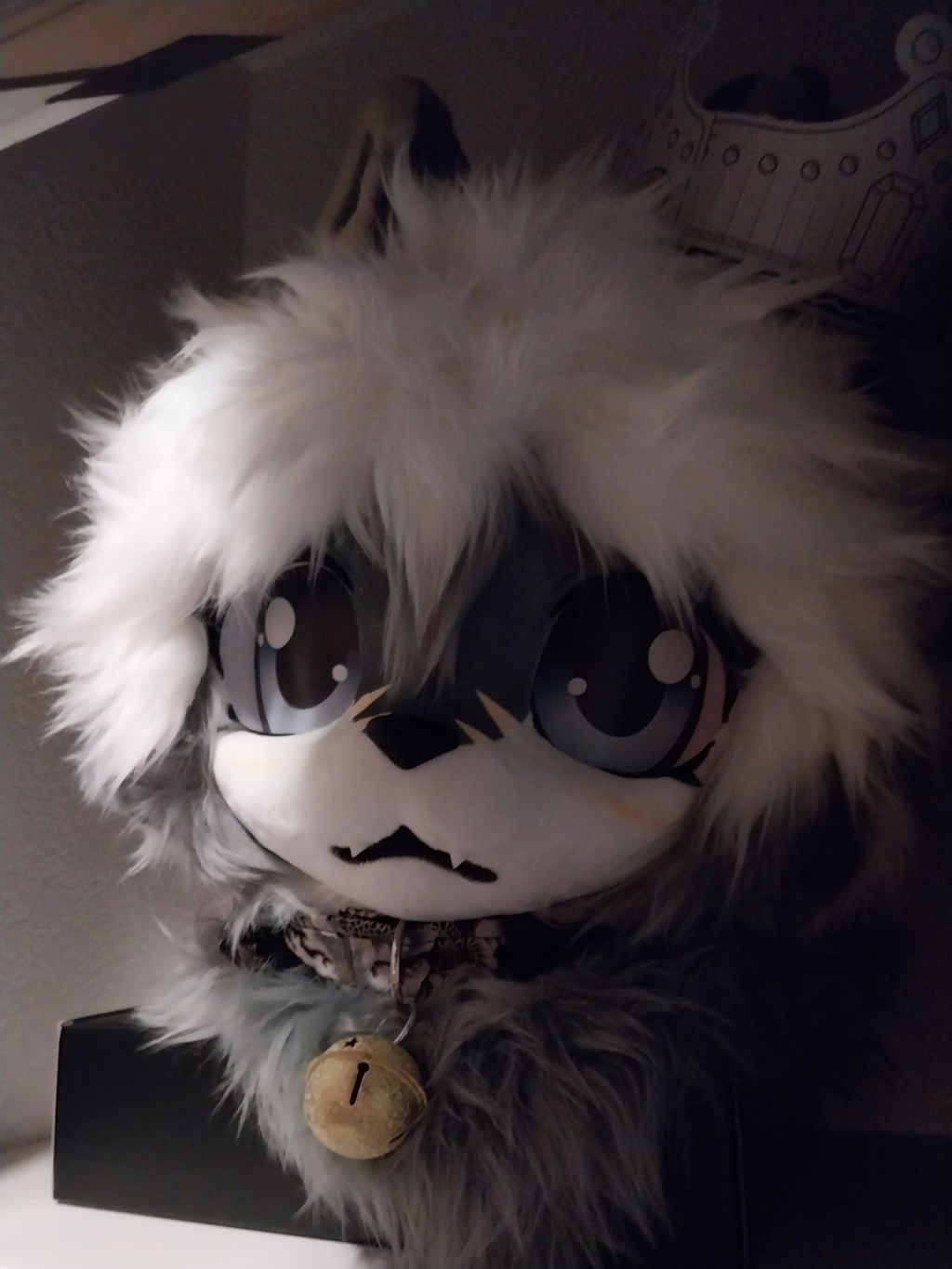
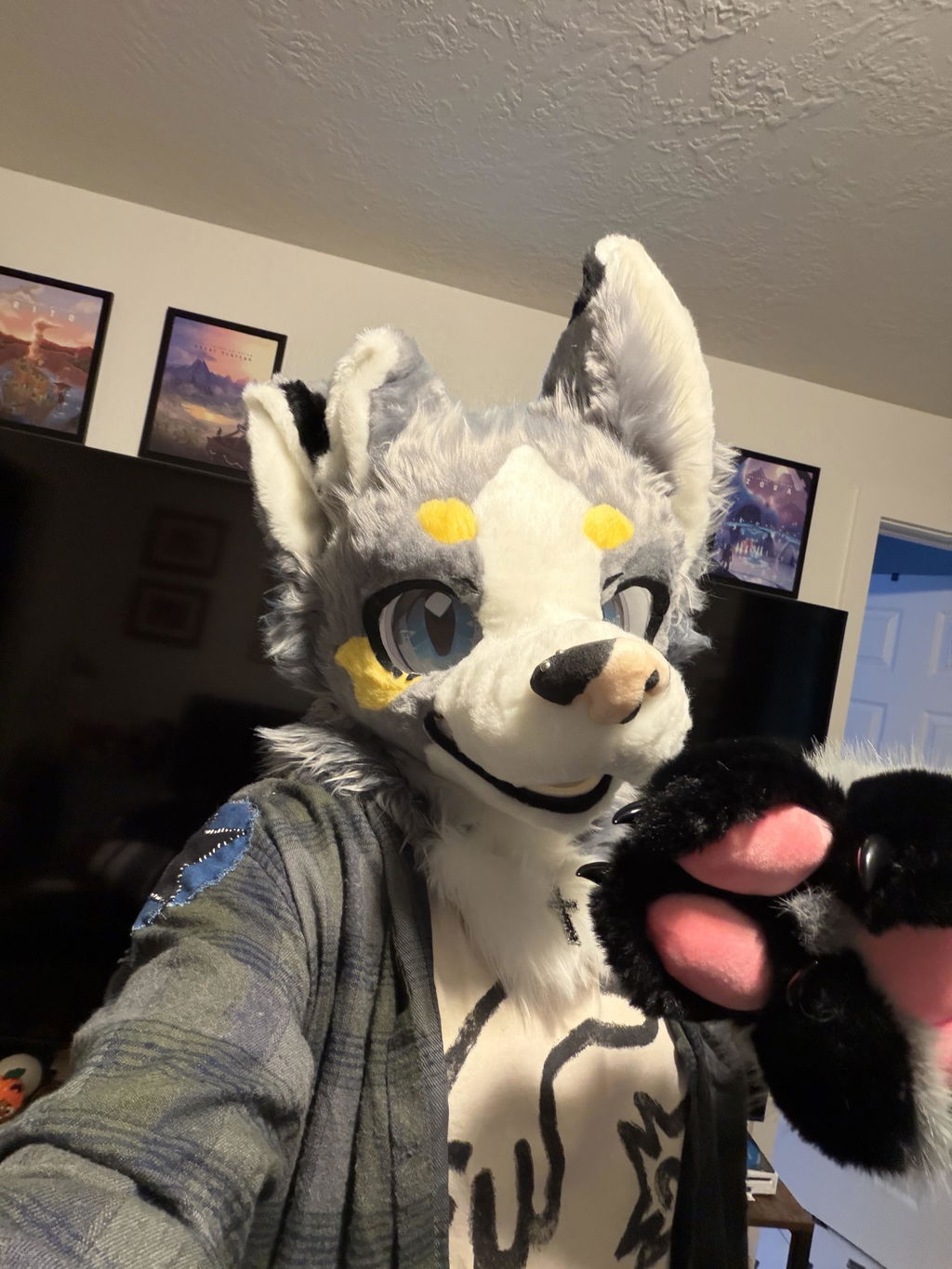
A moth fursuit has a very different kind of charm from a wolf, fox, cat, or dragon suit. Instead of leading with sharp features, it usually wins people over with soft texture, dreamy markings, rounded shapes, and a silhouette that feels gentle from across the room. That is why planning one can feel exciting and a little tricky at the same time: the character needs to read as a moth, but it still has to move well, photograph clearly, and feel wearable for the person inside.
This guide is for artists, commissioners, and first-time suit buyers who are building a moth character for conventions, photoshoots, short-form videos, or everyday furry community events. Before thinking about add-ons, it helps to decide what job the suit needs to do. A display-heavy design can carry wider wings and dramatic antennae. A dance-friendly or travel-friendly design needs tighter proportions, stronger attachment choices, and accessories that are easy to pack. DokiDoki works with both custom and premade fursuit shoppers, so the most useful starting point is not “what looks biggest?” but “what will still feel good after an hour of wearing it?”
Start with the moth silhouette before choosing colors
Imagine you are preparing a character reference sheet for a maker. The audience should recognize the moth inspiration even when the character is standing still in a busy convention hallway. The most dependable visual signals are antennae, a soft face shape, a fuzzy neck or chest area, and wing-inspired markings. A real-world fact worth keeping in mind is simple: moths are visually associated with broad wings, feathered or comb-like antennae, and muted camouflage or eye-spot patterns, so your fursuit design should choose at least one of those cues instead of relying only on the word “moth” in the character name.
Actionable advice: build the silhouette in black-and-white first. If the head, ears or antennae, shoulder shape, and wing outline still feel readable without color, the design will usually photograph better under mixed lighting. This matters for pastel moths too, because pale cream, blush, mint, and lavender can blur together in low indoor light. A stronger outline lets the soft palette stay soft without disappearing.
- Choose one main moth cue: oversized antennae, wing cape, fuzzy collar, or eye-spot markings.
- Keep the face readable from the front, especially if the wings are mostly visible from the back.
- Use color contrast around the eyes and cheeks so expressions do not vanish in photos.
- Limit the first design pass to three main colors before adding tiny accent markings.
Plan wings around the way you will actually wear the suit
Picture a wearer walking through a vendor hall, stopping for hugs, posing for photos, then squeezing into a hotel elevator. A dramatic wing shape is beautiful, but the practical question is whether those wings need to spread, fold, detach, or simply read as a pattern on the back and sleeves. For a moth fursuit, the wing decision affects storage, movement, and how often you will feel comfortable bringing the suit out.
The most defensible fact from a wearability standpoint is that wider costume pieces take more space around the body. They can bump doorways, tables, and other people if they are not controlled. That does not mean you should avoid wings. Actionable advice: decide whether the wings are performance pieces or everyday convention pieces before you approve the final pattern. For many first suits, a partial format with a head, paws, tail or back accent, and removable wings gives more flexibility than a single fixed full-body build.
DokiDoki shoppers who are still testing proportions often look at partial-suit components first because hands, feet, and tail shapes can establish the character without committing to one heavy silhouette. If your moth has a soft mascot feel, Lightweight Fursuit Half-Paws with Free Gloves can support expressive posing while keeping the hand shape practical. For a more finished lower-body look, Custom Fursuit Foot paws - Multiple colors available can help carry your palette into photos from head to toe.
- For crowded events, choose detachable or close-to-body wings.
- For staged shoots, allow larger wings if you have help carrying and positioning them.
- For dancing, avoid stiff extensions near elbows, wrists, and knees.
- For travel, measure your suitcase or storage bin before approving the final wing size.
Use texture to make a soft moth character feel alive
Suppose your character is a lunar moth, rosy maple moth, atlas-inspired fantasy moth, or an original pastel creature. Color matters, but texture is what makes the suit feel touchable and believable. A moth fursuit can use short fur on the face for clean expressions, longer pile around the cheeks or collar for fluff, and smoother fabric or carefully trimmed fur for wing panels. The fact to anchor this choice is straightforward: different fur lengths reflect light differently, so the same color can look deeper, paler, or more shadowed depending on the pile and trim.
Actionable advice: tell your maker where the character should feel plush and where it should stay crisp. Antennae, eyelids, cheek markings, and wing edges are places where too much fuzz can soften the design until it loses definition. The chest, collar, wrists, and ankles are safer areas for extra fluff because they add moth-like softness without covering the expression. If you are commissioning from DokiDoki, include close-up reference notes for texture, not just full-body art.
For color testing, do not judge the palette only on a bright phone screen. Put your reference next to indoor photos, outdoor shade photos, and a plain white or grey background. A moth character with beige, cream, dusty rose, grey, or moss tones can look elegant, but those colors need clear edge contrast. Darker antenna tips, cheek spots, sleeve bands, or paw pads can give the character enough structure for photos and videos.
- Use longer fur where softness is part of the character, such as collar, chest, or wrists.
- Keep eyelids, eye markings, and small face details cleaner and more defined.
- Add contrast at the outer wing edge so the body does not blend into the background.
- Ask for swatch photos under normal room light when exact color matching matters.
Make comfort choices early, especially for warm rooms
Now imagine wearing the suit for a meet-up where the room gets warm and the photo line moves slowly. Moth designs often invite fluffy collars, big head shapes, soft sleeves, and layered wings, all of which can make the character feel cozy on the outside. The wearer still needs airflow breaks, simple visibility, and a realistic plan for how long each outing will last. The practical fact here is that fursuit heads and layered costume pieces trap heat, so comfort planning belongs at the design stage rather than after the suit is finished.
Actionable advice: decide your “wearing rhythm” before you approve the build. A performer who wants short, dramatic photo sessions can accept more statement pieces. Someone who wants to browse booths, talk with friends, or film multiple clips should prioritize lighter accessories, clear handler communication, and simple ways to remove or loosen parts. A cooling accessory such as the Portable Fursuit Fan | 2000mAh Long may also belong in the event bag, especially when you know the venue will be warm.
Layering matters too. If your moth concept includes a bodysuit or fitted underlayer, check whether the garment supports movement under the suit rather than adding pressure at the shoulders and waist. The Fursuit Undersuit Bodysuit - Comfortable and Form-Fitting is one option to consider for a cleaner base layer when a full or partial look needs smoother coverage.
- Plan breaks before the event instead of waiting until you feel overheated.
- Keep wings removable if you expect long indoor wear time.
- Practice sitting, turning, and walking through narrow spaces before a public outing.
- Pack water, a fan, and a trusted handler for crowded or high-energy events.
Prepare commission notes that a maker can actually use
Consider the moment you send your character to a maker. A beautiful illustration is helpful, but a moth fursuit commission needs construction notes too: which markings are essential, which parts can be simplified, where the wings attach, and how much movement you expect. The fact that matters is that makers build from specific visual and practical instructions. If a reference leaves the back view, side view, or attachment method unclear, the final suit may still be well made but not match the way you imagined using it.
Actionable advice: separate your notes into “must keep,” “nice to have,” and “maker can adjust.” For example, eye spots on the wings may be essential to the moth identity, while the exact number of tiny speckles may be adjustable. Antennae shape may be essential, while their final length may need maker input for balance. A custom order works best when the creative direction is clear and the practical limits are respected.
If you are building the character piece by piece, custom components can help keep the design consistent. DokiDoki's Custom Paw Order-Design Your Unique Fursuit Paws is useful when the hand shape, paw pads, or accent colors need to match a specific character sheet. A tail is optional for many moth characters, but a small fantasy abdomen shape or soft back accent should only be added if it supports the design rather than distracting from the wings.
- Include front, back, and side views of the character whenever possible.
- Mark which colors must match and which can be maker-selected from available materials.
- Explain whether wings are for photos, walking, dancing, or all three.
- List removable parts clearly so packing and repairs are easier later.
Choose a finished direction: dreamy, cute, eerie, or elegant
Finally, think about the feeling people should get when they meet the character. A moth fursuit can be dreamy and pastel, cute and round, eerie and nocturnal, or elegant with a theatrical wing shape. Each direction changes the best choices for eyes, mouth shape, markings, and accessories. A useful design fact is that viewers read the face first, then the outline, then the details. If the face says “sweet” but the wing markings say “horror,” the character can still work, but only if that contrast is intentional.
Actionable advice: write a one-sentence character mood before you finalize the suit. “A sleepy lantern moth who gives gentle hugs” leads to different choices than “a mysterious night moth with dramatic eye spots.” That sentence helps you decide what to simplify. It also keeps the shopping process focused when you compare premade pieces, custom parts, and full commission ideas.
DokiDoki can fit into this planning stage naturally: use premade and custom options as building blocks, not as pressure to rush the character. If a ready-made partial already captures the fantasy-creature feeling you want, study what makes it work. If your moth depends on very specific wings, antennae, and markings, a custom path will usually serve the character better. The best suit is not the one with the most details; it is the one that feels recognizable, wearable, and emotionally true every time you bring it out.
- For dreamy moths, use soft contrast, rounded shapes, and gentle expressions.
- For cute moths, keep the eyes large and the antennae playful rather than sharp.
- For eerie moths, use darker edges, eye-spot markings, and a quieter mouth shape.
- For elegant moths, make the wing outline clean and avoid overcrowding the face.
A strong moth fursuit starts with clarity: readable silhouette, controlled wings, thoughtful texture, and comfort choices that match the way you actually attend events. Once those decisions are settled, products and custom parts become easier to choose because each one has a job. That is the kind of planning that helps a soft fantasy character stay beautiful in photos and kind to the wearer in real life.