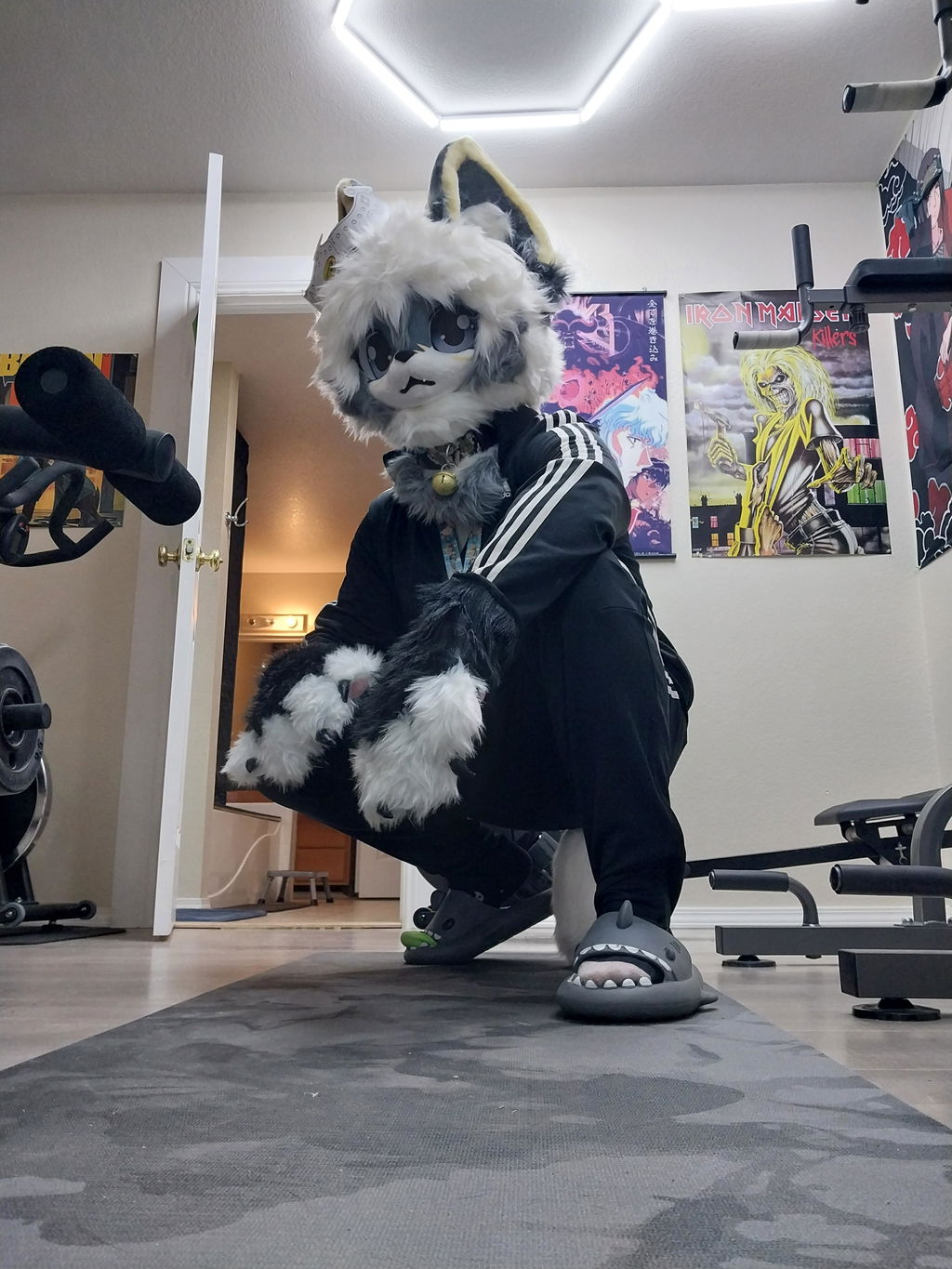
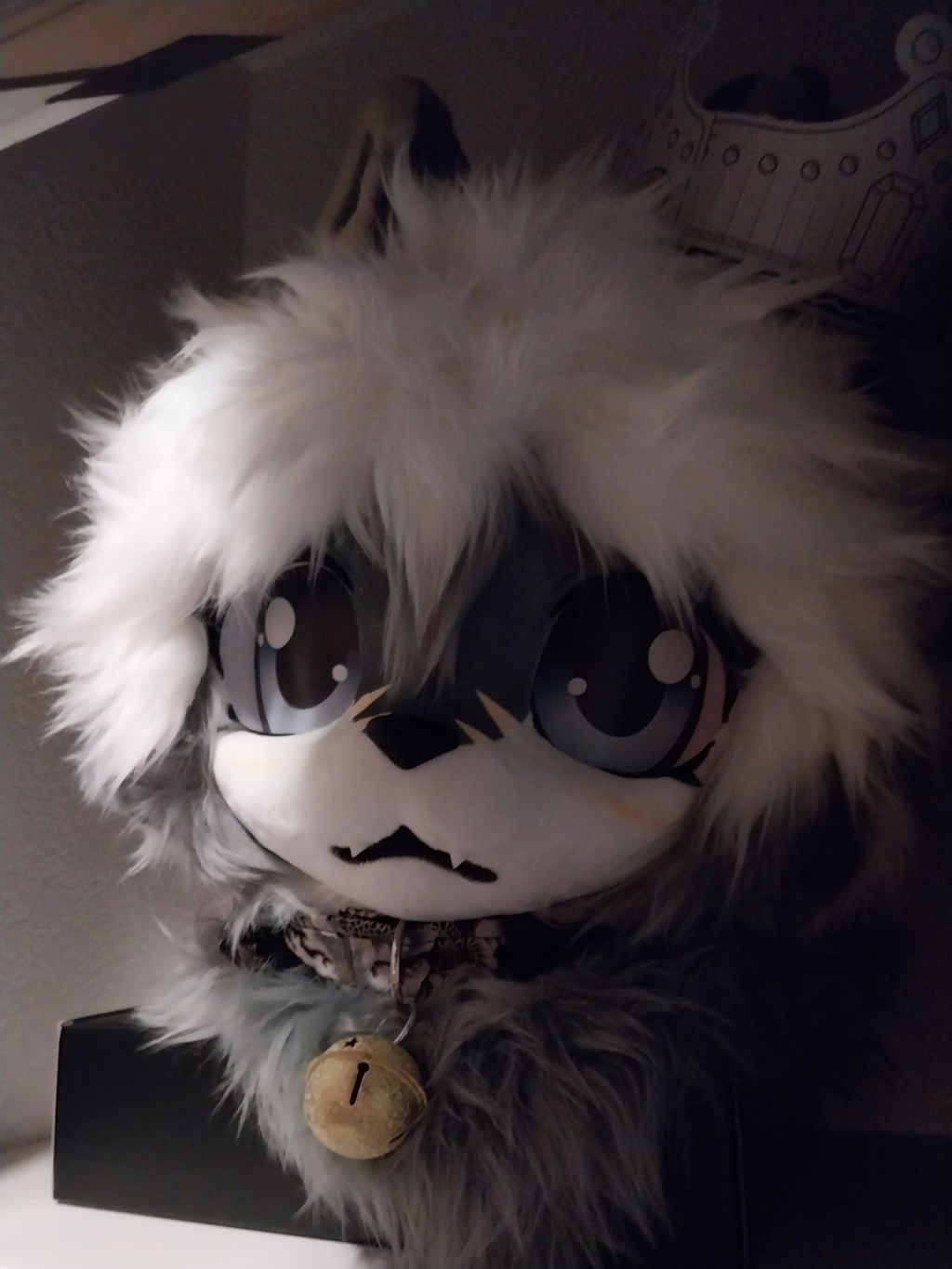
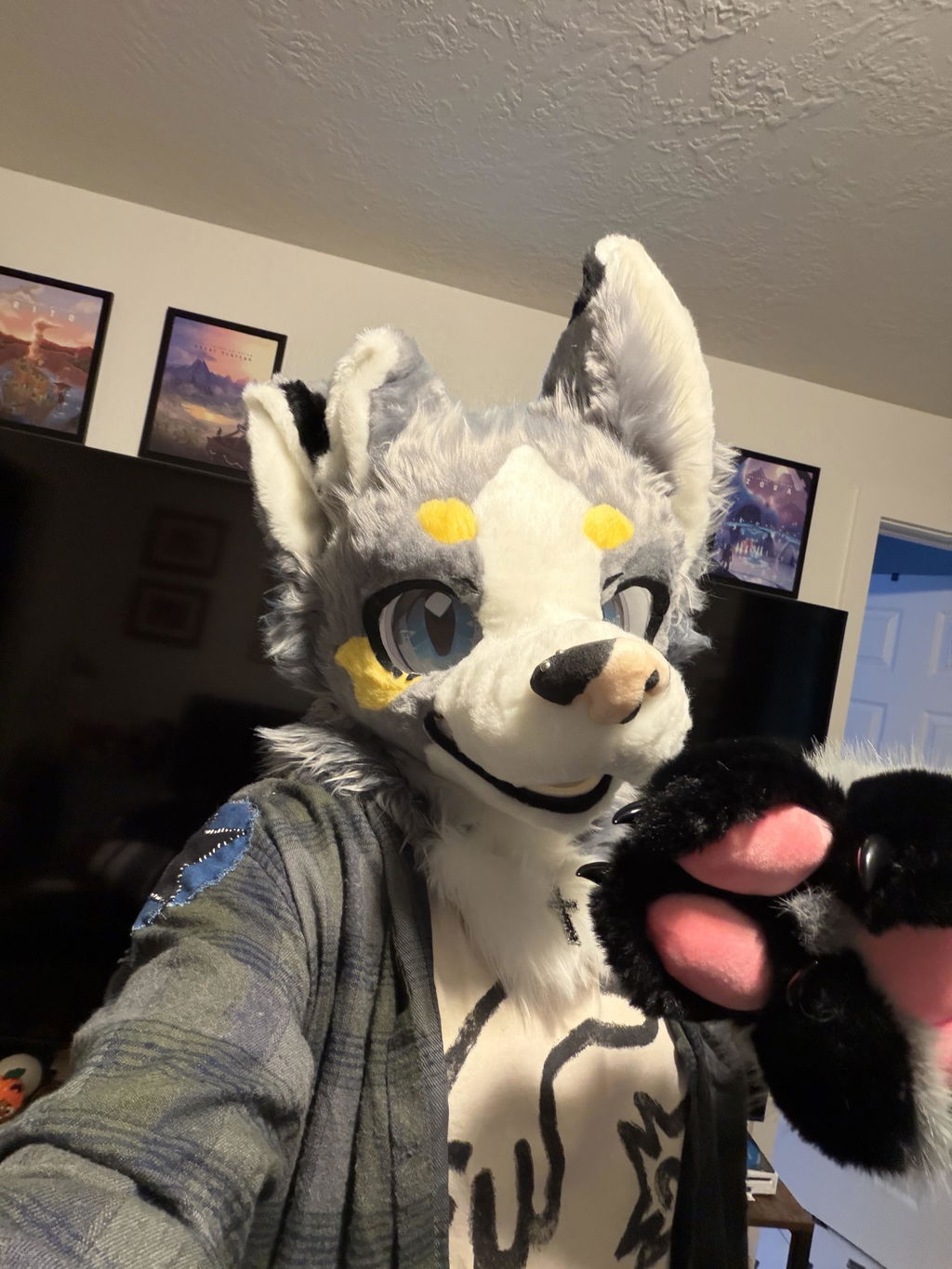
Searching for chinese fursuits usually means you are looking for more than a simple animal costume. You may be imagining bold stage color, opera-inspired face shapes, dragon energy, soft kemono proportions, or a character that feels connected to Chinese visual culture without looking like a rushed costume copy. The best choice is the one that respects the idea, fits the way you perform, and gives you enough practical comfort to wear it with confidence.
This guide is written for buyers comparing a premade suit, a custom commission, or a partial build before a convention, photoshoot, dance video, or first public meet. Instead of starting with a shopping list, it walks through style language, fit questions, character planning, and care choices so you can decide what kind of suit actually serves your character. DokiDoki has several ready-made and accessory options that can support this direction, but the most important step is understanding what you want the suit to communicate before you buy.
Start with the scene your Chinese-inspired character will enter
Imagine you are preparing a character for a Lunar New Year photoshoot, a convention hallway performance, or a short dance clip with strong hand gestures and close-up camera work. In that situation, chinese fursuits are judged first by silhouette and expression, not by how many decorative elements are attached. A head with a clear gaze, readable cheeks, balanced ears or horns, and colors that stay recognizable in photos will usually work better than a design that tries to include every possible symbol at once.
A defensible starting fact is simple: the current DokiDoki catalog includes in-stock examples that lean into Chinese or East Asian visual ideas, including the Beijing Opera Fursuit and the Wash painting kemono fursuit. That means you can compare real visual directions instead of planning from mood words only. The Beijing-opera route reads theatrical and graphic; the wash-painting route feels softer, more illustrative, and easier to blend with a gentle character.
Before choosing, write down the exact scene where the suit must succeed. A suit for a busy convention floor needs instant readability from several steps away. A suit for portrait photography can carry quieter details around the eyes, fur direction, or layered color. A suit for dance should keep the head secure and avoid accessories that fight with movement. This is where an attractive idea becomes a practical character.
- For stage or parade energy, choose higher contrast around the eyes, brows, muzzle, and forehead.
- For calm portrait work, choose softer color transitions and fewer competing focal points.
- For dancing, prioritize stable vision, secure head fit, and paws that allow controlled gestures.
- For first-time public wear, choose a partial or head-focused setup before committing to a full body build.
Separate cultural inspiration from costume overload
A common buying mistake is treating cultural inspiration as a checklist. A buyer may ask for red, gold, clouds, dragons, opera lines, long sleeves, tassels, and elaborate markings all in one design. The result can become visually noisy, especially once the head, paws, tail, clothing, badge, and background are all present. Strong chinese fursuits usually rely on one main reference and two or three supporting choices, not a pile of unrelated details.
Use this scenario: you want a dragon performer who can appear at a convention and still look original beside other fantasy suits. A practical approach is to make the head shape and color palette do the cultural work, then keep accessories restrained. If the head has strong brows, horns, or cheek structure, the outfit can be simpler. If the head is a soft kemono shape, clothing or props can carry more of the cultural cue. DokiDoki's in-stock Kemono Dragon No.035 is a useful example of how a dragon idea can live inside a cute, approachable kemono style rather than becoming heavy or intimidating.
A real catalog fact supports that restraint: dragon, kemono, and opera-inspired products are listed as separate visual directions, so a buyer does not need to force every idea into one suit. The safest advice is to choose a design hierarchy before you buy. Decide what must be noticed first, what should be noticed second, and what can disappear if the lighting is bad. That hierarchy keeps your character readable in real life, where viewers rarely study every detail. It also helps you speak clearly with a maker if you later move from premade inspiration into a custom commission.
- Pick one lead reference: opera, ink painting, dragon, festival color, or soft kemono fantasy.
- Limit the main palette to two dominant colors plus one accent color.
- Keep symbolic details away from high-wear areas if you plan to dance, hug, or travel often.
- Ask whether each detail improves recognition, comfort, or storytelling before adding it.
Choose between premade, custom, partial, and full suit paths
Now picture a buyer with a clear character idea but an uncertain budget and schedule. They like chinese fursuits, but they do not know whether to buy a premade head, order custom paws, build a partial, or wait for a full suit. The practical answer depends on how soon the suit must be worn and how much of the character already exists on paper.
A premade option is strongest when the face, colors, and overall personality already match your idea closely. It gives you a real object to evaluate: photos, proportions, head shape, and available inventory. A custom path is stronger when your character has specific markings, species traits, or color placement that cannot be compromised. A partial suit sits between them. It can give you the emotional impact of a complete character through head, paws, and tail while leaving clothing flexible for different events.
The DokiDoki catalog currently includes accessory paths such as Custom Paw Order-Design Your Unique Fursuit Paws, which is useful when your head direction is set but hand expression still needs to match. That matters because paws are often visible in photos, dance poses, and meet-and-greet gestures. If the paws clash with the head, the character can feel unfinished even when the head itself is beautiful.
- Choose premade when the existing character already feels close to your concept and timing matters.
- Choose custom when markings, color placement, or species identity must be exact.
- Choose partial when you need strong character presence but want flexible clothing and easier travel.
- Choose full suit when body silhouette, markings, and movement style are central to the character.
Check comfort, heat, and movement before the look wins
A suit can look perfect in a product photo and still be the wrong choice for your first long event. Suppose you plan to wear a Chinese-inspired character for three hours at a summer convention, then film a short dance routine in the evening. The design may have bold markings and beautiful colors, but comfort becomes the real test once you are walking, posing, and taking breaks with limited vision and added warmth.
The fact you can act on is that fursuit wear involves physical constraints: covered vision, reduced airflow, heavier head movement, and less precise hand control. Even without claiming a universal comfort number, those constraints are real for any head or partial. That is why the buying decision should include break planning, handler support, ventilation habits, and accessories that make short sessions easier. DokiDoki's Portable Fursuit Fan is one example of a support item buyers often consider when planning longer wear sessions.
For chinese fursuits with dramatic markings, also think about how the design behaves while moving. Large ears, horns, heavy hair, or long decorative pieces can change balance. Wide sleeves or layered clothing can look wonderful in photos but may snag during convention walking. If your character is meant for dance, prioritize a head that stays stable, paws that can show finger direction clearly, and a tail or outfit that will not pull the suit off center.
- Try short wear sessions first, then increase time only when you know your limits.
- Plan cool-down breaks before the event instead of waiting until you feel overwhelmed.
- Use a handler or trusted friend in crowded spaces, especially with reduced side vision.
- Keep props and sleeves manageable if you expect to dance, climb stairs, or greet many people.
Match the face style to the audience you want to reach
Imagine two buyers searching the same phrase on the same night and wanting very different outcomes. One wants a fierce dragon performer who looks powerful in wide shots. Another wants a soft, cute character with Chinese-inspired color work and gentle eyes. A third wants a theatrical head that feels dramatic, almost stage-like, for photos and short videos. The right style depends on the audience reaction you want, not just on the keyword you typed.
Toony fursuit styling usually reads friendly from a distance because the expression is simplified and exaggerated. Kemono styling often reads soft, youthful, and polished, especially when the eyes and cheeks carry the mood. Opera-inspired styling can feel bold and graphic, but it needs restraint so the face remains expressive instead of mask-like. The current DokiDoki selection gives shoppers several directions to compare, so use those differences as a visual reference even if you are still deciding between premade and custom.
Actionable advice: choose three words for the face before you compare listings. Words like noble, playful, elegant, fierce, gentle, or mysterious are more useful than vague words like cool or unique. Then test every product photo against those words. If the face does not express at least two of them immediately, the suit may not match your character even if the colors are beautiful.
- Choose toony styling when you want cheerful distance readability and bold expressions.
- Choose kemono styling when you want soft cheeks, polished eyes, and an anime-influenced feel.
- Choose opera-inspired contrast when you want theatrical energy and strong photo impact.
- Choose simpler markings when your character will rely on clothing, props, or movement for drama.
Build a buying checklist before you fall in love with one photo
The final step is a checklist. This matters most when a single photo makes a suit feel irresistible. A beautiful front view does not answer every buying question. The practical fact is that a listing title and front image alone cannot confirm side profile, back view, color matching, paw coordination, travel, cleaning, storage, or whether the suit will still represent your character after the first event excitement fades.
Use this practical scenario: you find a Chinese-inspired head that looks perfect for your badge art, but you plan to add paws later. Before buying, check whether the fur colors and accent colors are easy to coordinate. If the head uses a rare shade, custom paws may be the better follow-up than generic accessories. If the design is already visually loud, simple paws and a clean outfit may make the whole character stronger. If the head is minimal, richer paws or a tail can bring the character to life.
DokiDoki shoppers can approach chinese fursuits as a character-building process rather than a single checkout decision. Start with the scene, narrow the design hierarchy, choose the right buying path, and protect comfort before adding decorative ambition. That order helps you end up with a suit that photographs clearly, wears realistically, and still feels personal after the first try-on.
- Confirm the head expression from front, side, and three-quarter angles when photos are available.
- Check whether paws, tail, clothing, and props support the same character mood.
- Keep a care plan ready for brushing, drying, storage, and transport after events.
- Save reference notes for future upgrades so every new piece belongs to the same character.