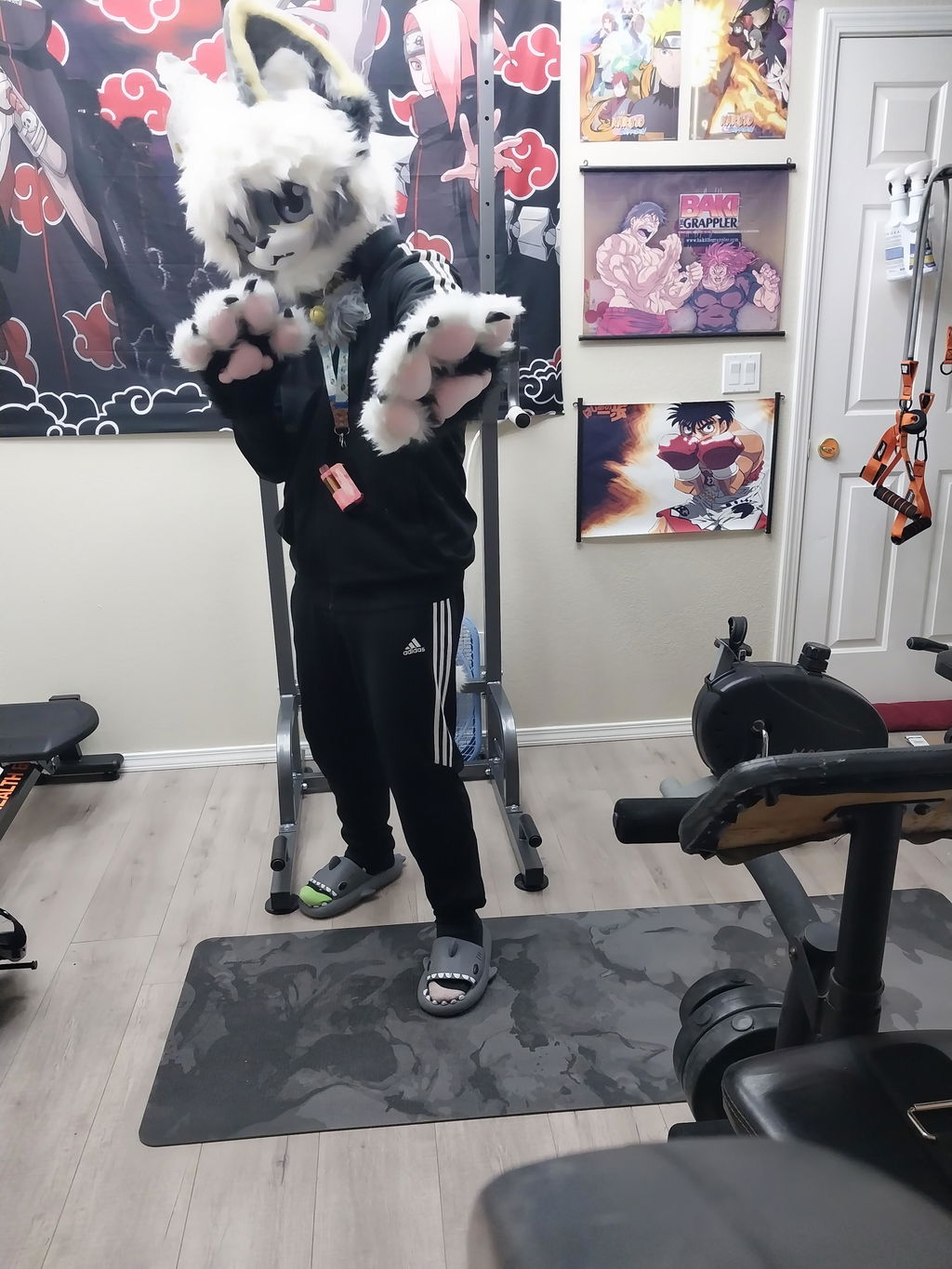
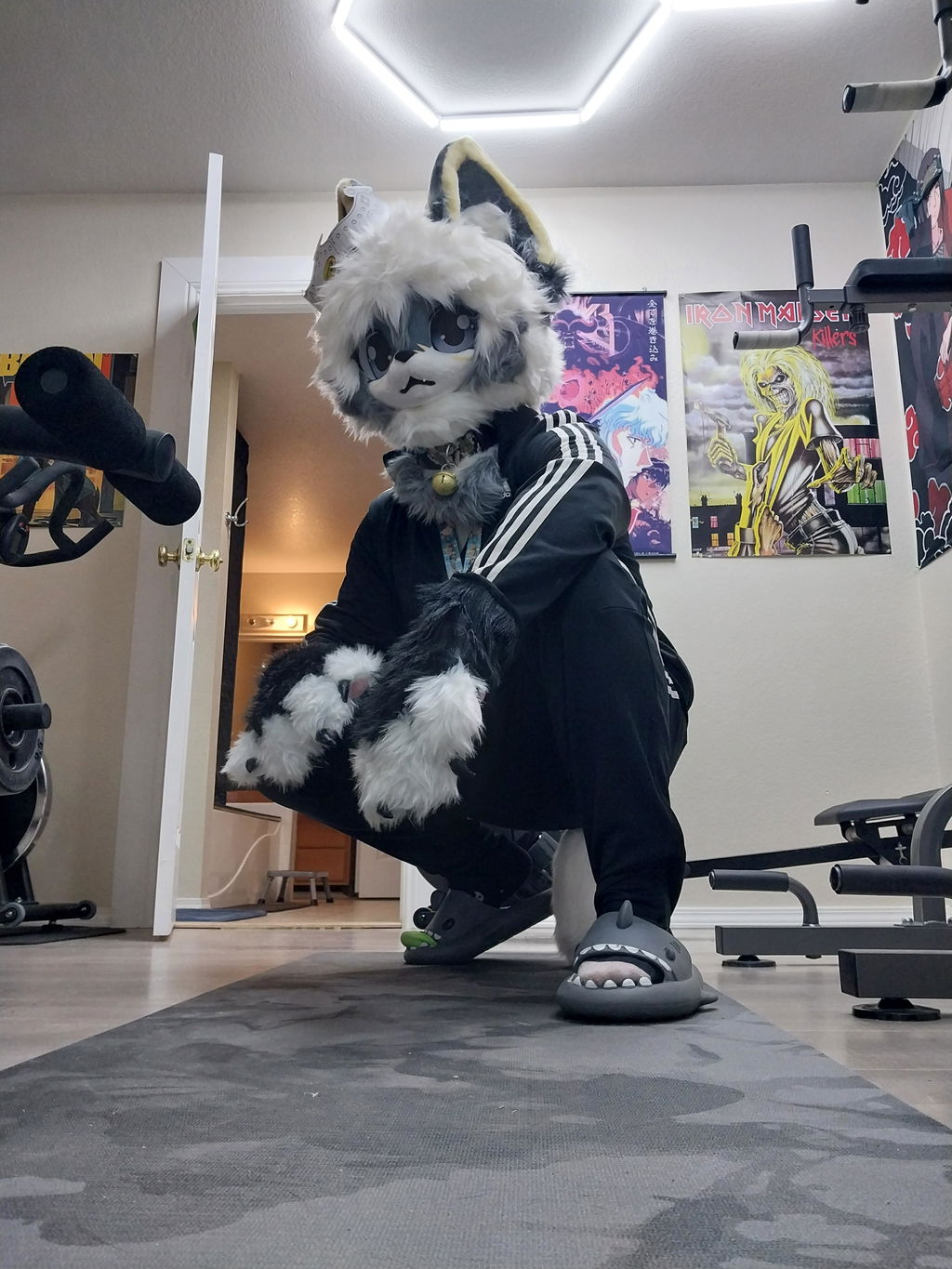
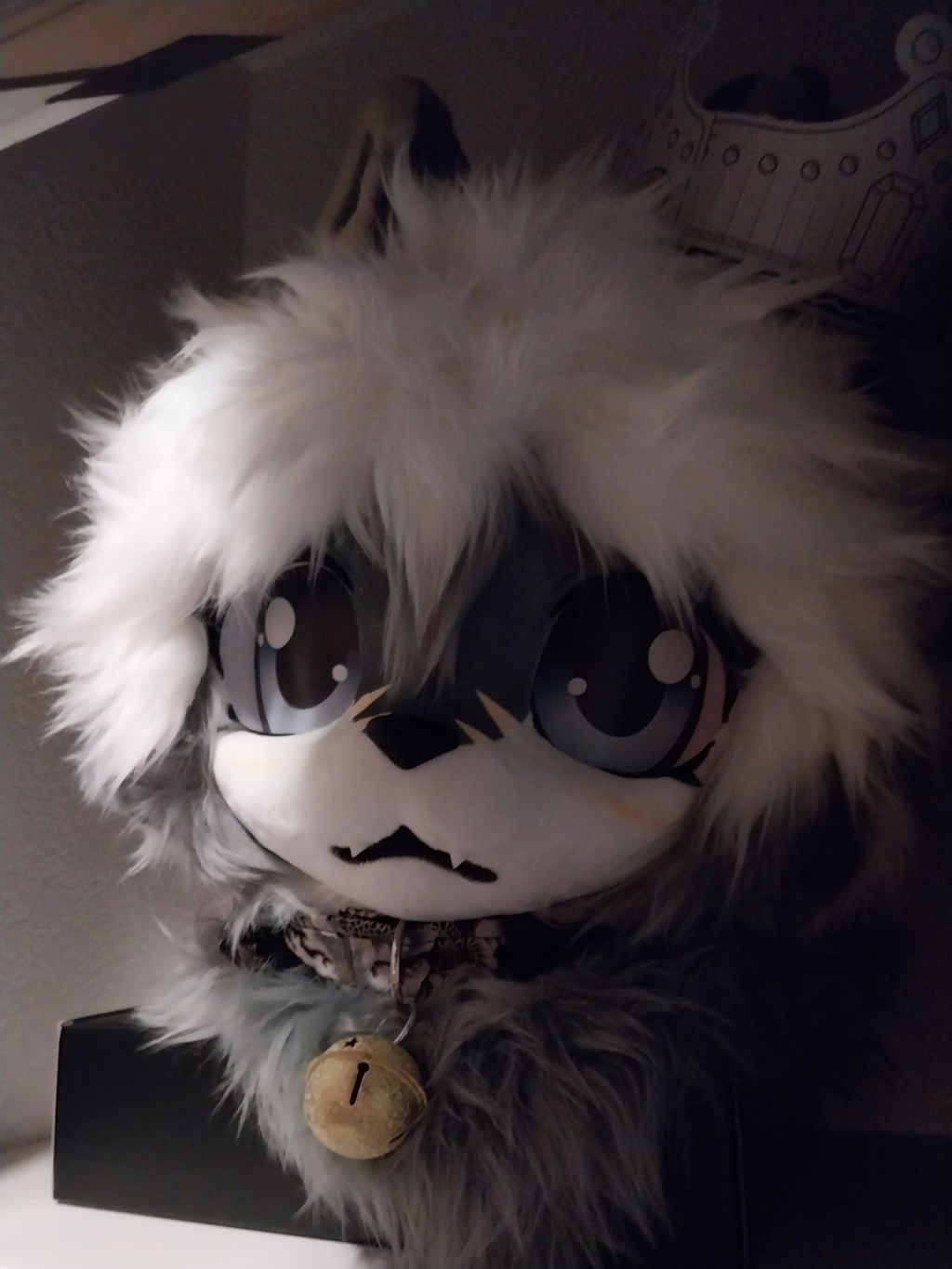
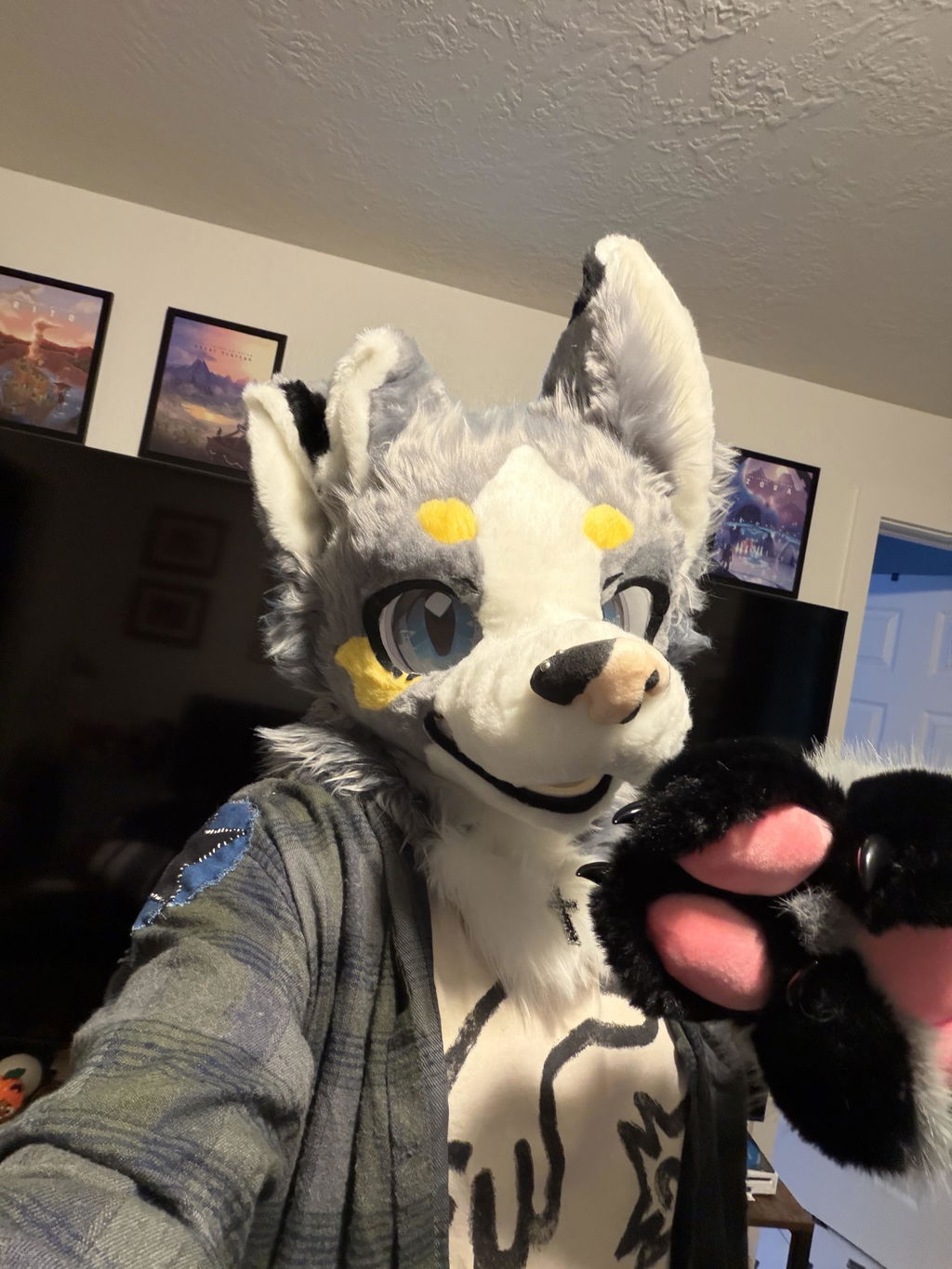
A partial fursuit is often the smartest way to bring a character into the real world without committing to a full-body build right away. It usually focuses on the most expressive pieces: a head, paws, tail, and sometimes feet. That combination gives you the face, gesture, silhouette, and movement cues people notice first, while leaving room to style the rest with clothes you already enjoy wearing.
For many first-time buyers, the challenge is not whether a partial fursuit is worth it. The real question is how to choose pieces that look intentional together. A beautiful head can feel unfinished if the paw color is close but not quite right. A dramatic tail can overpower a simple outfit. Feet paws can make a convention look feel complete, but they may not be practical for every travel day or crowded meet-up.
This guide walks through the decisions in the order most customers actually face them: what your character needs to express, which parts matter first, how to match colors and proportions, how to plan for comfort, and how to care for the pieces after wearing them. DokiDoki carries partial-focused collections and separate parts, so you can compare ready-to-wear options with custom pieces and build a look at a pace that makes sense for your character.
Start With the Character Moment You Want People to Notice
Imagine walking into your first furry convention meetup, a cosplay photo area, or a local fan event. Before anyone sees small details, they read the big character moment: soft and cute, bold and mischievous, elegant and anime-inspired, spooky, pastel, sporty, or creature-like. A partial fursuit works best when every visible part supports that first impression.
Begin by writing one sentence about how your character should feel in public. For example, “a sweet fox who looks gentle in photos,” “a sharp city wolf with a streetwear outfit,” or “a bright kemono-style cat with oversized expressions.” That sentence becomes your filter. It helps you avoid buying parts just because each item is cute on its own.
A defensible way to make the choice is to look at what partial sets actually include in the store: DokiDoki has separate areas for partials, paws, tails, feet, and heads, which shows that buyers often build the look from modular pieces rather than treating every character as a full suit from the start. That structure is useful because it lets you decide which visual cue carries the character first.
- For a photo-first character, prioritize the head shape, eye expression, cheek fluff, and paw pose.
- For a dance or performance character, prioritize lighter pieces, secure paws, and a tail that moves cleanly.
- For a con-floor character, prioritize comfort, visibility, and parts that are easy to manage in crowds.
- For an outfit-heavy character, choose fur colors that coordinate with jackets, skirts, jerseys, or accessories.
If you are still unsure, browse the partial fursuit collection first and look for repeated shapes, color layouts, and personality cues. Save examples that feel close to your fursona, then ask what they have in common. The answer is usually more helpful than a broad style label.
Choose Paws and Tail Before You Worry About Every Detail
A common buying scenario is having a character reference sheet ready but not knowing which pieces to order first. The head feels like the emotional center, but paws and tail do a lot of daily work. They appear in almost every pose, show up in selfies, and help the character read clearly even when the rest of the outfit is casual clothing.
For a first partial fursuit, paws and tail are often the easiest pieces to use across many events. Hand paws make gestures look in-character, while a tail gives the body a recognizable silhouette from the side and back. If you are building gradually, these parts can also help you test colors and comfort before adding more expensive or more fitted pieces.
The current store catalog supports this modular approach with separate in-stock paw, tail, and foot-paw products, including Premade Fursuit Paws, Custom Fursuit Tail Order – Design Your Unique Tail, and Custom Fursuit Foot paws – Multiple colors available. Those categories exist because paws, tails, and feet solve different parts of the character look.
- Choose paws when your character depends on expressive poses, waving, hugging photos, or playful gestures.
- Choose a tail when the species, posture, or movement is central to the design.
- Choose feet paws when you want the outfit to read as a full character from head to toe.
- Choose custom parts when the color placement or markings need to match a reference closely.
Do not rush into buying every part at once if your character design is still changing. A partial fursuit is easiest to love when the first pieces are flexible enough to work with multiple outfits. DokiDoki customers often care about expressive anime-inspired styling, but the same rule applies to toony, realistic, and hybrid looks: start with the parts that will appear in the most photos and be worn most often.
Match Color, Scale, and Texture So the Partial Looks Intentional
The most common visual problem with a partial fursuit is not a “wrong” part. It is a part that almost matches. A white that is slightly warmer than the head, a tail that is much larger than the character’s energy, or paws with a different fur length can make the set feel assembled instead of designed. This matters most when you mix premade and custom pieces.
Use a simple matching process before ordering. Put your character art, outfit plan, and potential product photos in one place. Look at them in normal daylight if possible. Ask whether the main color, accent color, and character mood are consistent. You do not need every shade to be scientifically identical, but the viewer should understand that the parts belong to the same character.
A practical fact from the store structure is that DokiDoki separates style collections such as kemono, toony, realistic, kig, paws, tails, feet, and fursuit heads. That means style is not only about color; it is also about proportion. Kemono-inspired pieces may lean softer and more rounded, while realistic pieces may need different shaping and texture choices. Mixing them can be creative, but it should be deliberate.
- Match the head and paws first because they often appear together near the face in photos.
- Keep tail size proportional to the outfit and the character’s body language.
- Use clothing to bridge colors when two fur shades are close but not exact.
- Avoid adding too many accent colors unless they already exist in the character design.
- Check whether long fur, short fur, claws, pads, and markings support the same style direction.
If your character has unusual markings, a custom paw or tail can be more useful than trying to force a premade piece into the design. If your character is still flexible, premade parts can be a comfortable way to begin wearing the character while you refine the final reference.
Plan Comfort for the Event You Will Actually Attend
A partial fursuit for a short photo shoot has different needs from a partial worn all afternoon at a convention. Before buying, picture the real day: Are you carrying a badge, phone, water bottle, and merch bag? Will you be walking between hotel floors? Are you posing indoors, riding public transit, dancing, or meeting friends in a crowded hallway?
Comfort planning is not boring; it is what lets you stay in character longer. Paws affect how easily you hold things. Feet paws affect walking pace and floor awareness. Tails affect how much space you take up behind you. Heads affect visibility, heat, and communication. Even if the article is about partials, the best buying decision includes the human inside the suit.
The store includes a dedicated fursuit care guide, which is a useful reminder that wearability continues after checkout. Pieces need cleaning, drying, storage, and gentle handling. A partial fursuit may be easier to manage than a full suit, but it still needs a plan before and after every outing.
- For conventions, choose pieces you can remove, carry, and store safely during breaks.
- For outdoor photos, think about ground conditions before wearing feet paws.
- For dance or performance, test tail attachment and paw security before the event.
- For travel, pack parts so fur is not crushed and markings are protected.
- For long wear, plan cooling breaks, water, and a handler or friend when needed.
If you are building your first set, avoid judging comfort only by how the parts look on a product page. Think through the whole day from getting dressed to getting home. That is where a partial fursuit can shine: it gives a strong character presence while staying flexible enough for real event conditions.
Decide When a Partial Is Better Than a Full Suit
Some shoppers start with a partial fursuit because it is their final goal. Others use it as a stepping stone toward a full suit. Both choices are valid. The right answer depends on your character, your budget, your storage space, your climate, and how often you expect to wear the suit.
A partial is especially strong when the character’s personality lives in the head, hands, tail, and outfit styling. It lets you change clothes between events, adapt to seasons, and create several looks around the same core character. For example, one head and tail can feel casual with a hoodie, polished with a coordinated outfit, or playful with themed accessories.
From a store-planning perspective, DokiDoki offers both full character pieces and separate parts, so buyers are not forced into one path. That matters for a real customer scenario: someone may want to join a furry convention soon, but still be refining markings, species details, or long-term costume plans. A partial gives that person a wearable, photographable version of the character sooner.
- Choose a partial if you want outfit flexibility, easier storage, and a lighter first build.
- Choose a partial if your character design may change over the next few months.
- Consider a full suit later if body markings, species anatomy, or total immersion are essential.
- Choose separate parts if you need to replace, upgrade, or customize one area at a time.
The most important test is whether the partial will make you excited to wear the character now. If the answer is yes, you do not need to apologize for choosing a lighter build. A well-planned partial fursuit can look complete, expressive, and personal, especially when the head, paws, tail, outfit, and care routine all support the same character story.
Use a Simple Checklist Before You Buy
Before placing an order, slow down and check the set as a whole. This is the moment to catch small mismatches, missing comfort plans, or links between the character design and the actual parts. A good checklist protects your excitement. It keeps the purchase focused on the version of the character you truly want to wear.
Here is the scenario: you have found a head or a partial set you love, and you are deciding whether to add paws, a tail, or feet. Instead of asking only “Is this cute?” ask “Will this help my character feel complete at the event I am planning for?” That question usually reveals the next right step.
The available DokiDoki categories give you a practical way to audit the look: partials for the overall set, paws for gesture, tails for silhouette, feet for full-body polish, and care guidance for keeping the pieces wearable. Use those categories as a map rather than a shopping rush.
- Character: Can you describe the personality in one clear sentence?
- Parts: Do the head, paws, tail, and feet support that personality?
- Color: Do the main fur and accent shades feel intentional together?
- Use: Can you wear, carry, clean, and store each piece after the event?
- Future: Will these parts still work if your outfit or reference sheet evolves?
If each answer feels clear, you are ready to choose with confidence. If one answer feels shaky, fix that part first. A partial fursuit does not have to include everything to feel complete. It only needs the right pieces, chosen in the right order, to make your character recognizable, comfortable, and joyful to bring into the world.