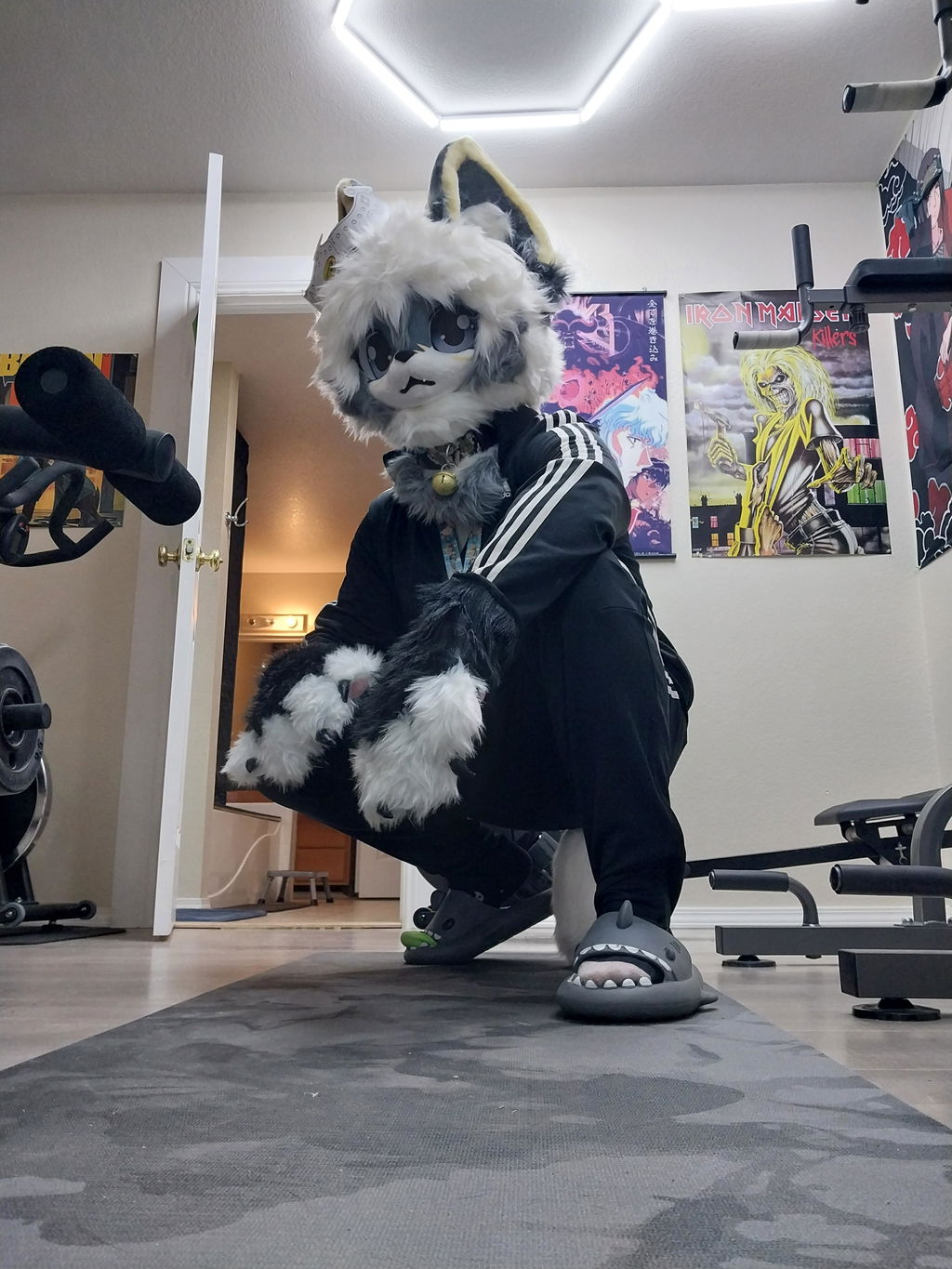
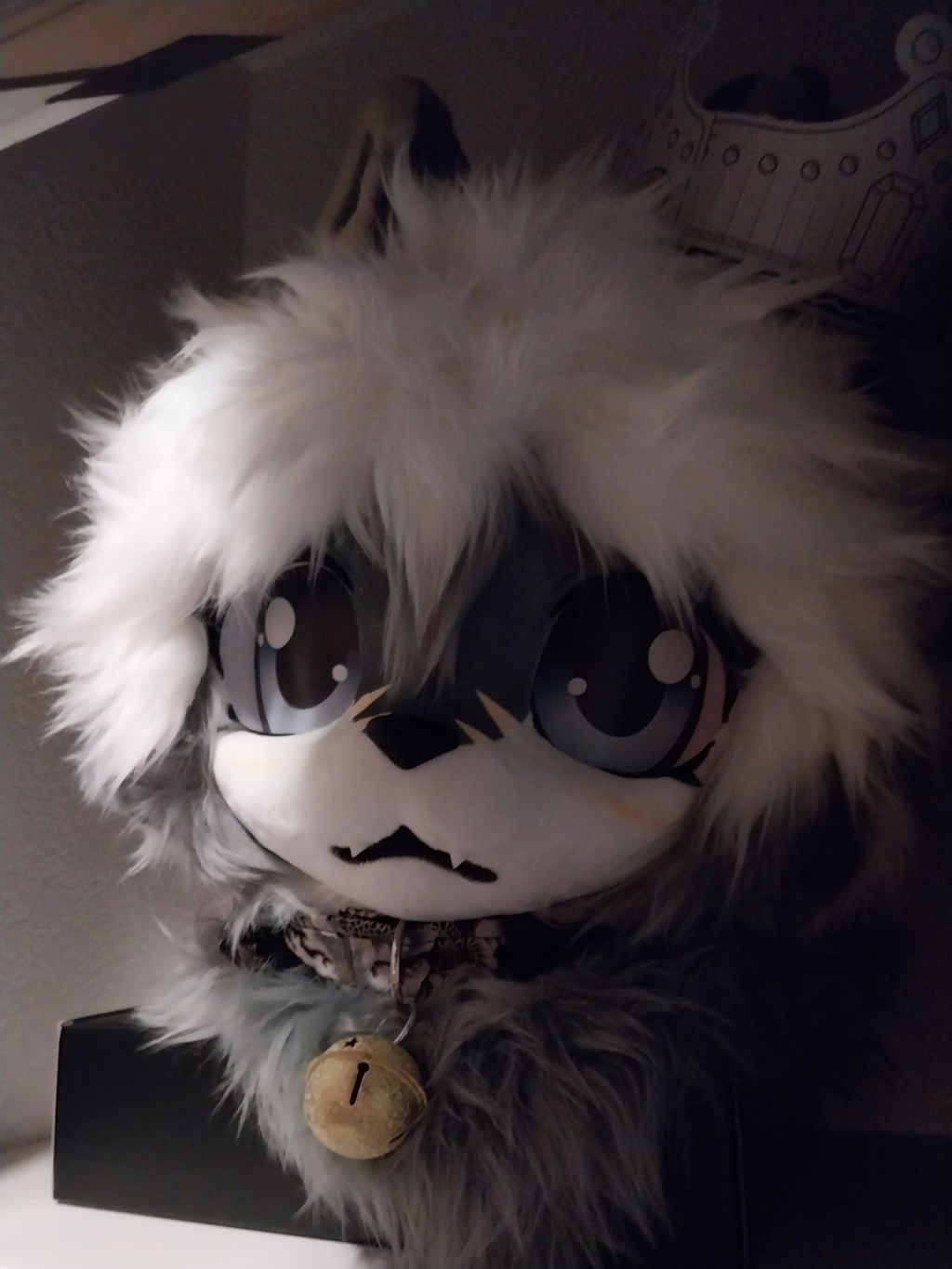
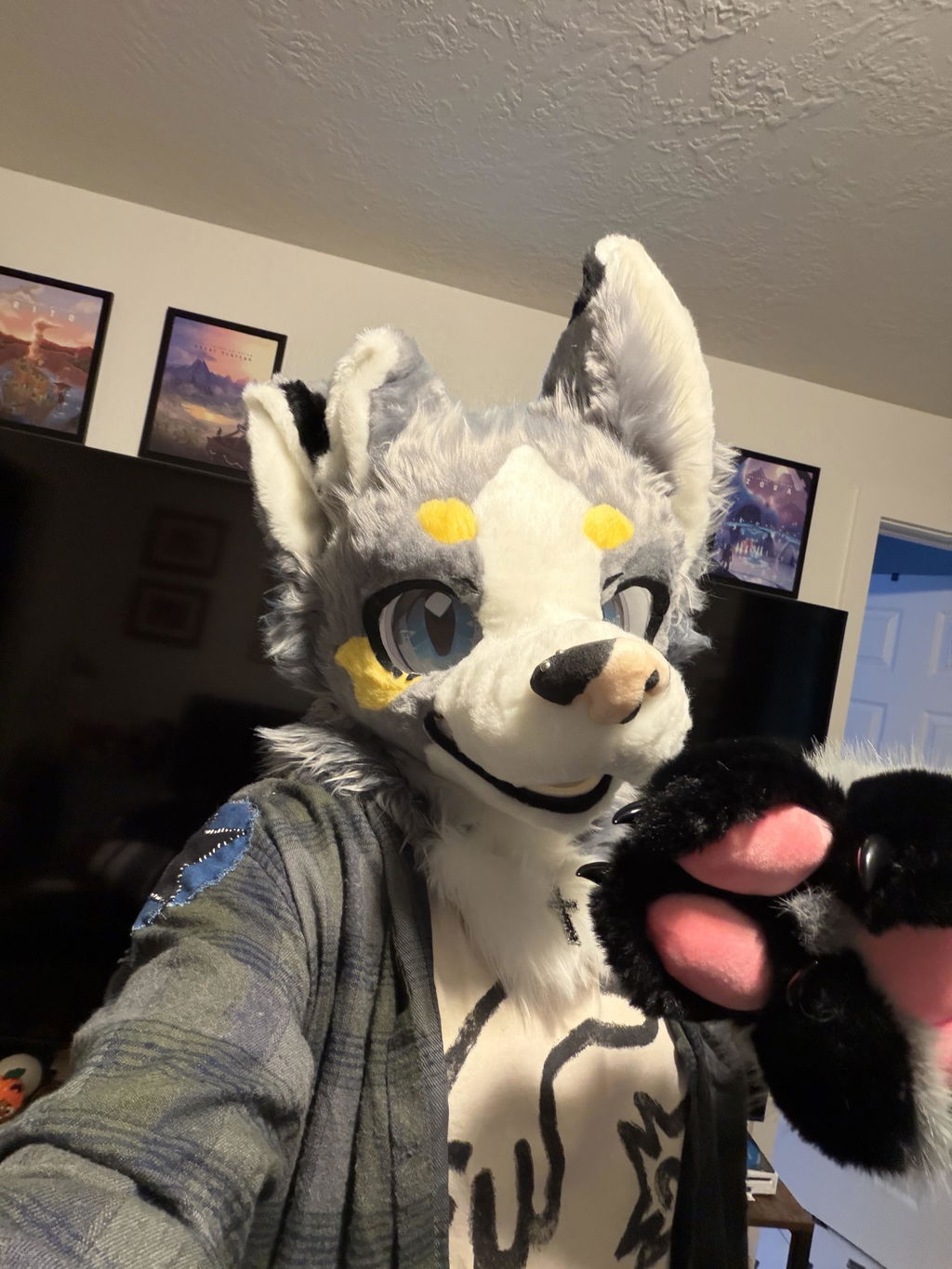
Choosing a fursuit is exciting, but the first decision is rarely as simple as picking the cutest character on a product page. You are choosing a way to express a fursona, move through a convention, pose for photos, and spend time with a community. The right suit should therefore fit your character idea and your real life: how much coverage you want, how you plan to use it, what you can comfortably manage, and which details make the design feel like yours.
This guide is for shoppers comparing premade pieces, partial looks, complete characters, and custom plans. It does not assume you already know the vocabulary. Start with the decisions below, then use the linked pages to explore examples and prepare useful questions before you buy.
Start with the character, not the cart
Imagine you are preparing for a first photo session or a convention meetup. You have a color palette and a personality in mind, but several styles look appealing. In that situation, write a short character brief before opening more product tabs. A clear brief keeps a beautiful design from pulling you away from the character you actually want to wear.
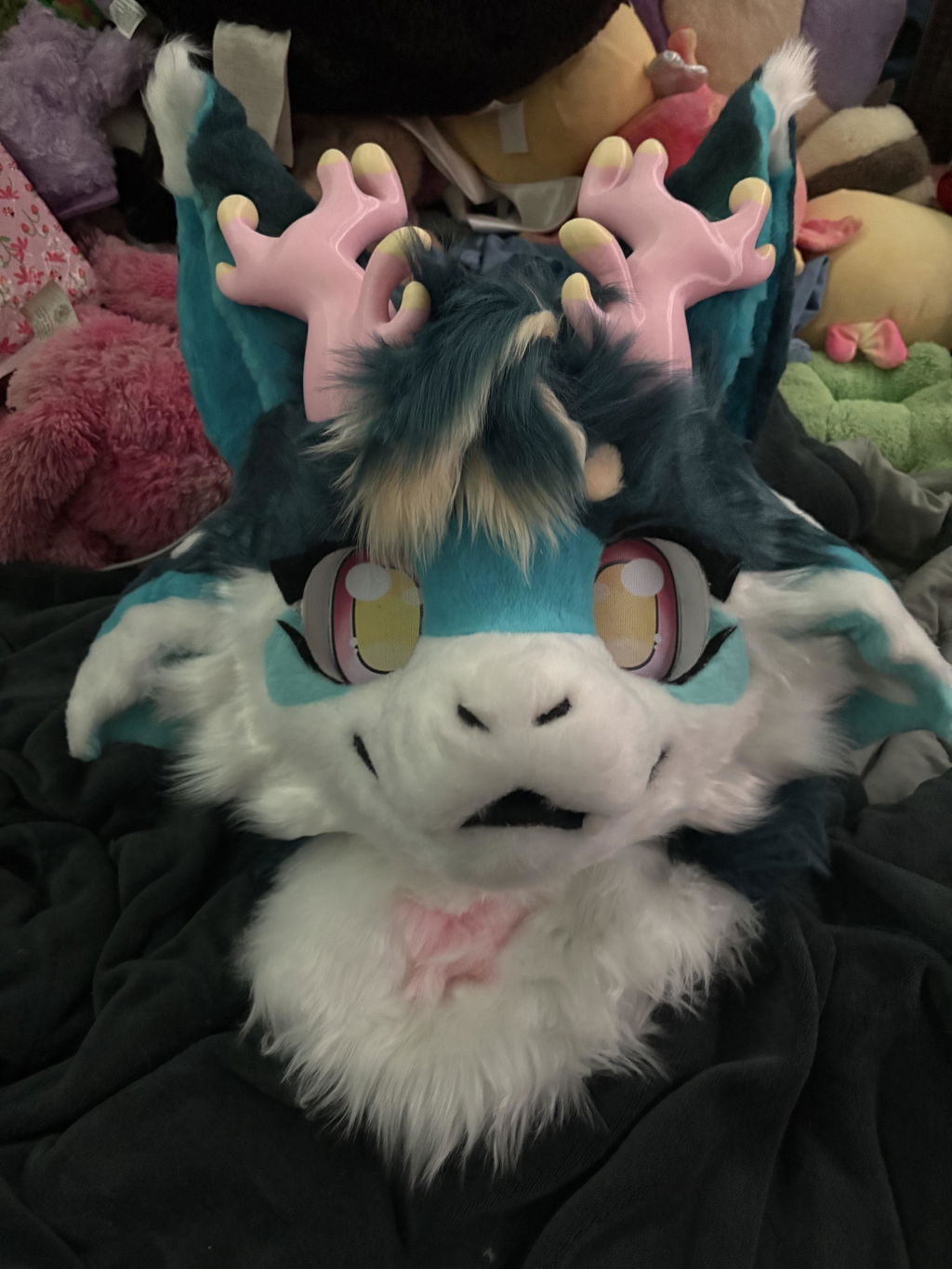
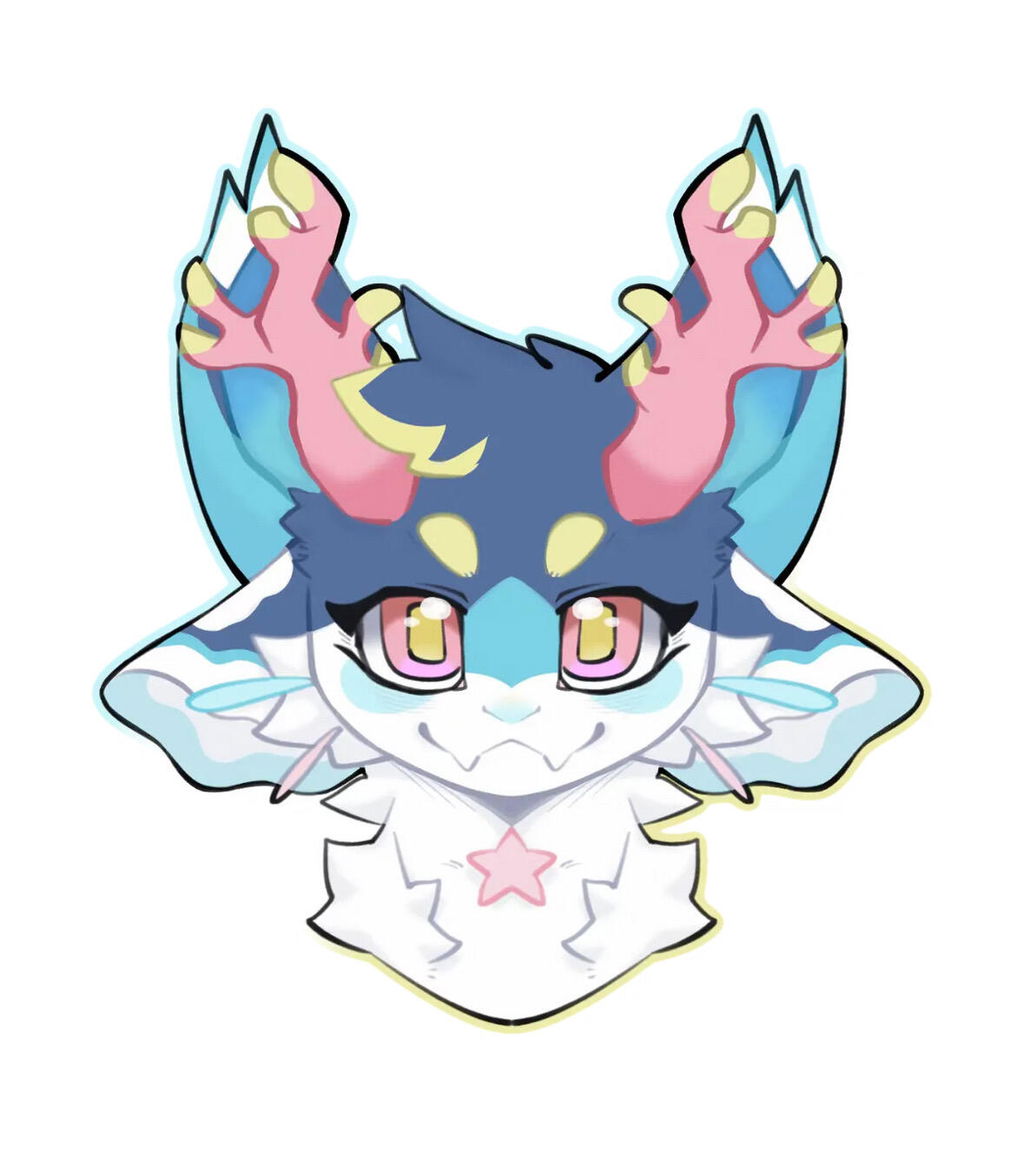
Begin with the silhouette and expression. A soft, rounded face can communicate something different from a sharper, more dramatic head. Ear shape, eye treatment, markings, and tail language can matter more than a long description. If your character is inspired by an existing drawing, keep the drawing beside you and note the details that must remain recognizable.
For this kind of suit, the most useful first facts are the ones you already know about yourself and your character. Store materials can show available designs, but only you can decide whether a character feels natural to perform.
- Write three words for the character's personality and three words for the visual mood.
- List the colors or markings that cannot change without changing the character.
- Choose whether you want an approachable, elegant, mischievous, dramatic, or playful presence.
- Save reference art with front, side, and detail views when those views exist.
Once this brief is ready, compare products by what they help you express rather than by novelty alone. That simple pause is useful for both a premade fursuit shopper and someone preparing a custom commission.
Choose the style that matches your movement and mood
Picture yourself walking through a busy convention hall, greeting friends, and stopping for photos. You may prefer a bold cartoon impression, an anime-influenced face, or a more natural animal look. Those are not merely labels; they suggest different visual priorities. Toony designs often emphasize readable shapes and expressive exaggeration. Kemono designs can appeal to shoppers who want an anime-inspired, soft, or stylized character language. Realistic designs may suit a character whose appeal depends on natural proportions and markings.
If you are comparing styles, use the store's existing categories and examples as a visual reference rather than treating one style as universally better. The Toony Rainbow Dog No.001 and Kemono Leopard No.014 illustrate why two characters can communicate very differently even when both are built around a furry identity. They are examples to study for shape, color balance, and personality鈥攏ot promises that every design will feel the same in person.
A good style choice also respects the way you want to move. A character for casual photos may have different priorities from one you hope to wear for a long day. Before deciding, ask yourself what you want people to notice first and what kind of movement feels comfortable for you.
- Choose the style whose facial language matches your character brief.
- Compare the visual focus: eyes, muzzle, ears, markings, or overall silhouette.
- Decide whether your reference images show a full suit, a partial, a head, or an accessory.
- Write down any style question you want answered before ordering.
When the visual direction is clear, shopping becomes more focused. You are no longer asking whether a design is attractive in isolation; you are asking whether it belongs to your character's world.
Decide between a partial, a head, and a fuller look
Suppose you want to debut a fursona soon, but you are unsure whether you need a complete outfit. Coverage is a practical choice, not a test of commitment. A partial can let you build a character look around clothing you already enjoy. A head can become the strongest focal point for portraits and short appearances. A fuller suit can create a more unified visual effect when you want the costume to carry most of the character styling.
Read each listing carefully and separate what is shown from what you still need to provide. Product names can indicate whether an item is a head, paws, a tail, or a broader set, but the exact contents should be confirmed from the live product page before purchase. If you are planning a custom route, DokiDoki's commission order process is a useful place to organize questions about the next stage.
Think about the occasions you actually have on your calendar. A smaller first step may be sensible if you mainly attend short meetups, create photos at home, or want to test a character before expanding the wardrobe. A broader set may make more sense when your goal is a consistent convention presentation. Neither route is automatically more authentic.
- Mark the pieces you already own: clothing, shoes, gloves, or accessories.
- Choose the minimum piece that makes the character recognizable.
- Check whether your planned clothing supports the colors and silhouette of the design.
- Ask which pieces are included, which are optional, and which are not shown.
- Keep a simple future list so later additions feel intentional.
For shoppers building gradually, the Premade Fursuit Paws page can help you think about how hand pieces affect the overall look. Treat it as one component in a character plan, not as a substitute for checking the full scope of an order.
Plan comfort before your first long wear
Imagine putting on your suit for the first time at home, then wearing it for a longer outing. Comfort planning is easiest before the order is placed, because you can identify questions while the choices are still flexible. Consider the room, weather, walking distance, breaks, visibility, and the kind of interaction you expect. Even a striking suit will be difficult to enjoy if your plan ignores the conditions in which you will wear it.
Use your own experience as the baseline. If you are sensitive to warmth, plan shorter sessions and regular breaks. If visibility or communication is a concern, decide how you will move through crowds and how a friend can help. If you will travel, think about packing space and how you will protect the most delicate-looking pieces. These are practical habits, not signs that you are less enthusiastic.
The catalog also includes a Portable Fursuit Fan, which is relevant to shoppers building a comfort kit. The product title identifies it as a portable fan; it does not replace checking the current listing for details or deciding whether it suits your own plans. Accessories should support a good wearing routine, not encourage you to ignore your body's signals.
- Try a short indoor session before planning a full-day outing.
- Pack water, a phone, a way to communicate, and a backup plan for breaks.
- Choose a trusted friend or handler for crowded events when possible.
- Plan how you will sit, travel, store the suit, and change after wearing it.
- Stop when you feel unwell; a costume is never worth pushing past your limits.
Comfort also includes fit questions. Measure carefully according to the listing's instructions, keep your measurements current, and ask for clarification when a size or component is unclear. A thoughtful preparation step now can make the first outing much calmer.
Make the purchase conversation specific
Picture yourself ready to order, with one design that feels close to your character. The most helpful message is not simply 鈥淚s this available?鈥?It explains what you are trying to confirm. Clear questions reduce guesswork for both shopper and maker, especially when the design involves several pieces or a custom direction.
Before contacting the studio, gather the product link, your character references, measurements, intended use, and the parts you believe you need. State what is essential and what is flexible. If a listing uses a word you do not understand, ask about that word directly rather than assuming it means a particular component or finish.
Availability is time-sensitive, so check the live page when you are ready to act. The catalog used for this review shows some currently listed items with positive inventory, but inventory can change and a catalog snapshot is not a guarantee. The same principle applies to custom work: ask for the current process and next steps instead of relying on an old message or a general expectation.
- Link the exact item or collection you are discussing.
- Describe your intended wear setting, such as photos, meetups, or conventions.
- Include accurate measurements and say when they were taken.
- Confirm the included pieces, sizing process, lead-time expectations, and care guidance.
- Keep the final answers with your order information for easy reference.
If you are still comparing ideas, the DokiDoki gallery can help you study how character details read across finished looks. The fursuit care guide is also worth reviewing before purchase, because care is part of choosing a suit you can realistically maintain.
Build a character you will want to return to
After the excitement of an order fades, the best sign of a good choice is simple: you still want to wear the character. That usually comes from a clear identity, a realistic coverage plan, and preparation for comfort and care. A well-chosen suit can be the center of a complete character presentation, but the meaning comes from how you use it鈥攜our poses, greetings, stories, art, and time with other fans.
Review your notes one more time. Does the style match the character brief? Do you know which pieces are included? Do your planned clothes and accessories support the silhouette? Have you checked the current listing and prepared questions about fit and use? If the answer to any of these is no, pause before ordering. A short delay is often more useful than solving a preventable mismatch later.
When you are ready, choose the path that fits your present goal. A partial can be a flexible beginning. A head can put the character's face first. A fuller look can create a strong, unified presence. Custom work can be the right direction when the character depends on details that a premade design cannot provide. What matters is that the route is deliberate.
- Keep the character brief with your reference images.
- Review the exact product scope and current availability.
- Prepare a first-wear plan with breaks, support, and storage.
- Save care instructions and make maintenance part of the routine.
- Leave room for the character to grow through art, clothing, and community.
Start with the character, choose the style that feels honest, and ask precise questions. That is the steady way to find a fursuit that feels like an invitation to participate鈥攏ot just another item in a cart.