When designing a custom fursuit, one of the biggest decisions you'll make is choosing an artistic style. While species, colors, and markings all play important roles, the overall style of the suit determines how your character is perceived and how it comes to life in the real world.
Two of the most popular styles in today's furry fandom are Kemono fursuits and Toony fursuits. Both are highly expressive, visually appealing, and beloved by fursuit enthusiasts worldwide, yet they represent very different artistic philosophies.
So which style is right for your fursona?
In this guide, we'll explore the key differences between Kemono and Toony fursuits, compare their aesthetics, and help you decide which one best matches your character and personal preferences.
What Is a Kemono Fursuit?
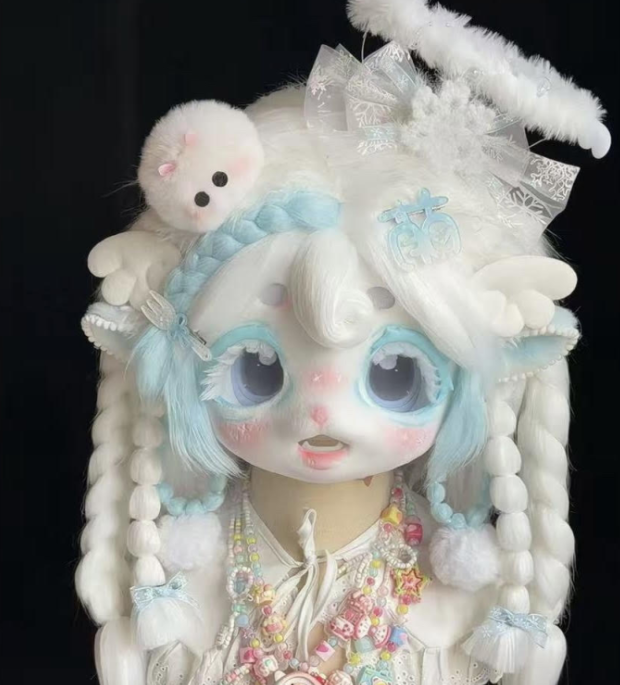
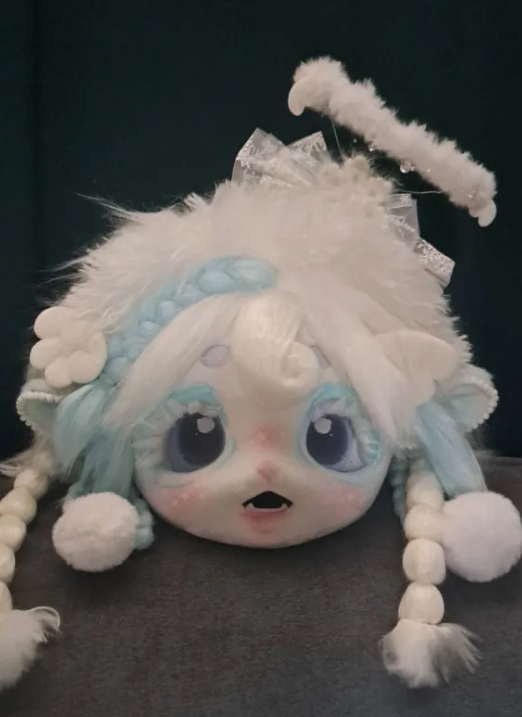
Kemono fursuits originated in Japan and have become one of the most recognizable styles within the global furry community.
The word "Kemono" generally refers to anthropomorphic animal characters in Japanese culture, and Kemono fursuits reflect many influences from anime, manga, and Japanese illustration styles.
Characteristics of Kemono Fursuits
Kemono fursuits are known for:
-
Large anime-inspired eyes
-
Soft facial features
-
Rounded cheeks
-
Small noses and muzzles
-
Plush-like appearance
-
Cute and friendly expressions
The goal of a Kemono fursuit is often to maximize charm and emotional appeal.
Many people describe Kemono characters as:
-
Adorable
-
Gentle
-
Youthful
-
Expressive
-
Approachable
Because of these qualities, Kemono fursuits have become especially popular for photography and social media content.
What Is a Toony Fursuit?
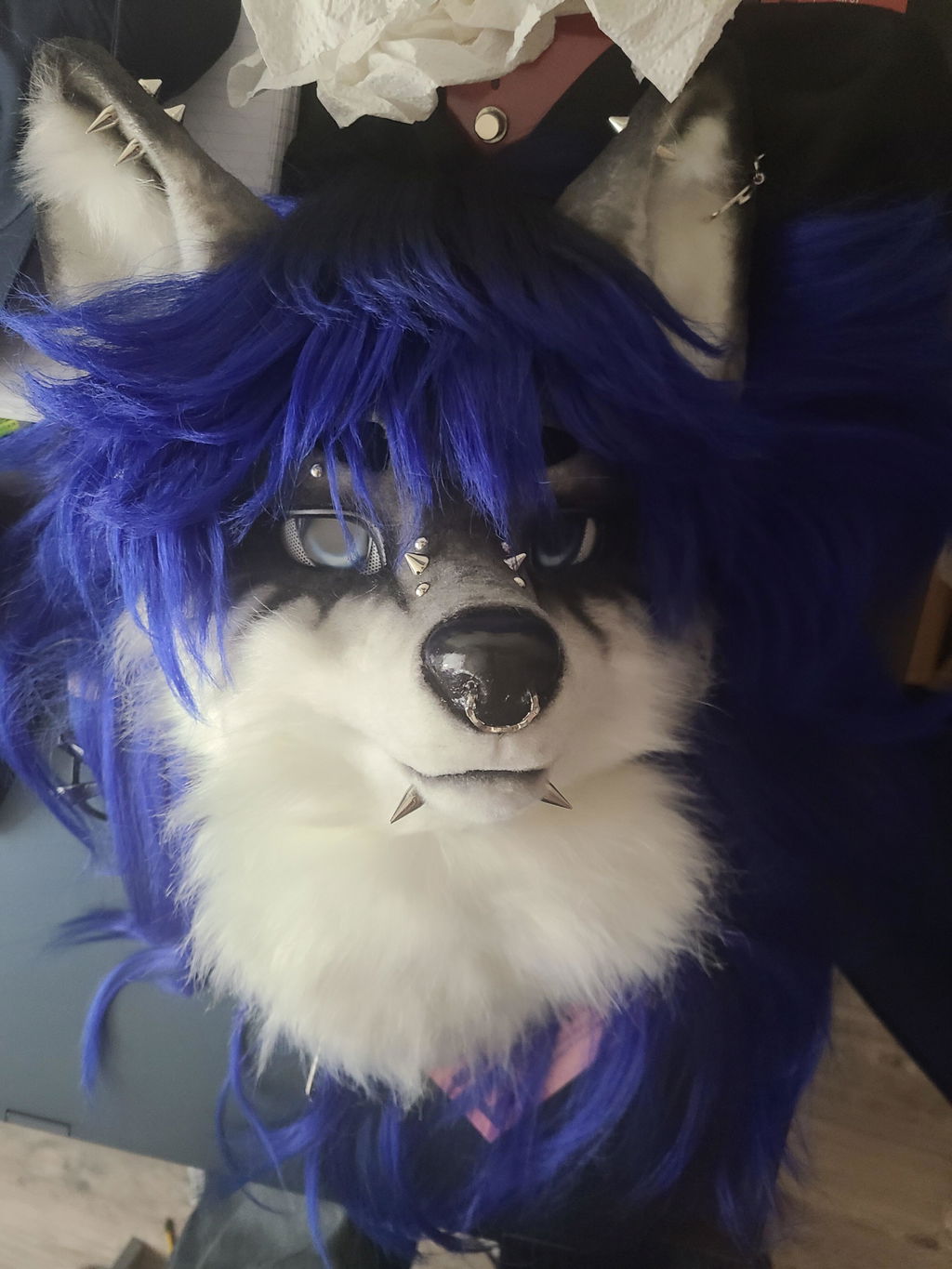
Toony fursuits are inspired by Western cartoons, animation, and classic furry artwork.
This style emphasizes exaggerated features, strong expressions, and bold character personalities.
Toony fursuits have long been one of the most common styles seen at furry conventions around the world.
Characteristics of Toony Fursuits
Toony fursuits typically feature:
-
Large expressive eyes
-
Exaggerated smiles
-
Bold facial shapes
-
Cartoon-inspired proportions
-
Vibrant colors
-
Dynamic expressions
The primary goal is personality rather than realism.
A Toony character is often designed to look energetic, playful, and visually memorable.
The Biggest Difference: Cute vs. Cartoon
The simplest way to understand the difference is this:
Kemono Focuses on Cuteness
Kemono designs aim to create an emotional reaction through softness and charm.
The style often feels:
-
Sweet
-
Friendly
-
Innocent
-
Plush-like
Many Kemono characters resemble anime mascots or illustrated companions.
Toony Focuses on Personality
Toony designs emphasize character performance and visual storytelling.
The style often feels:
-
Energetic
-
Funny
-
Confident
-
Playful
A Toony fursuit is often designed to stand out in crowds and convey strong emotions.
Facial Design Comparison
Facial structure is one of the easiest ways to distinguish these two styles.
Kemono Facial Design
Kemono faces usually feature:
-
Round cheeks
-
Large eyes
-
Smaller muzzles
-
Softer transitions
-
Gentle expressions
Everything is designed to appear smooth and approachable.
Toony Facial Design
Toony faces typically include:
-
Larger muzzles
-
Sharper shapes
-
More exaggerated expressions
-
Stronger silhouettes
-
Greater visual contrast
These features help communicate personality from a distance.
Eye Design Differences
The eyes are often considered the most important feature of a fursuit.
Kemono Eyes
Kemono eyes are heavily influenced by anime character design.
They often feature:
-
Large pupils
-
Detailed highlights
-
Soft shapes
-
Emotional appearance
The eyes usually become the focal point of the entire character.
Toony Eyes
Toony eyes are generally designed for expression and readability.
Common features include:
-
Bold outlines
-
Clear shapes
-
High visibility
-
Strong emotional cues
The goal is to make expressions easy to recognize even across a convention hall.
Photography and Social Media
Both styles photograph beautifully, but for different reasons.
Why Kemono Excels in Photography
Kemono fursuits often perform exceptionally well in:
-
Portrait photography
-
Studio photography
-
Close-up shots
-
Social media content
Their expressive eyes and soft features create strong emotional engagement.
Why Toony Excels in Action Photography
Toony fursuits often shine in:
-
Convention photos
-
Group photos
-
Dance competitions
-
Performance videos
Their exaggerated expressions make them highly dynamic on camera.
Character Design Compatibility
Certain character concepts naturally fit one style more than the other.
Characters That Work Well as Kemono Fursuits
Examples include:
-
Foxes
-
Wolves
-
Cats
-
Rabbits
-
Deer
-
Fantasy creatures
Especially those designed with cute or elegant personalities.
Characters That Work Well as Toony Fursuits
Examples include:
-
Canines
-
Hyenas
-
Big cats
-
Dragons
-
Cartoon-inspired species
Especially those with energetic or comedic personalities.
Convention Presence
Furry conventions provide an excellent environment for both styles.
Kemono at Conventions
Kemono characters often attract attention because of their:
-
Unique appearance
-
Anime-inspired aesthetics
-
Detailed eyes
-
Photogenic qualities
Toony at Conventions
Toony characters dominate many convention spaces because of their:
-
Strong visibility
-
Expressive faces
-
Interactive appeal
-
Performance-friendly designs
Neither style is inherently better—each simply creates a different impression.
Which Style Is Easier for Beginners?
Many first-time buyers ask whether Kemono or Toony is a better choice.
The answer depends on personal preference.
Choose a Kemono fursuit if:
-
You love anime aesthetics.
-
You prefer cute character designs.
-
Photography is important to you.
-
You want a softer visual style.
Choose a Toony fursuit if:
-
You enjoy classic furry art styles.
-
You attend conventions frequently.
-
You value expressive performance.
-
You want a timeless and versatile design.
Why Many Fursona Designs Blend Both Styles
Modern fursuit design has become increasingly creative.
Many custom fursuits now combine elements from both Kemono and Toony aesthetics.
Examples include:
-
Kemono-inspired eyes with Toony facial structure
-
Toony expressions with softer Kemono proportions
-
Hybrid anime-cartoon character designs
These combinations allow creators to develop unique visual identities that don't fit neatly into a single category.
Creating Your Ideal Character with DokiDoki Fursuit
At DokiDoki Fursuit, we work with a wide variety of character styles, from highly expressive Toony designs to adorable Kemono-inspired creations.
Every fursona is unique, which is why we focus on understanding the personality, aesthetic goals, and artistic vision behind each character before bringing it to life.
Whether you prefer the charm of a Kemono fox, the playful energy of a Toony wolf, or a hybrid design that combines elements of both, the right fursuit style is ultimately the one that best represents your character.
Final Thoughts
The debate between Kemono and Toony fursuits isn't about which style is better—it's about which style best fits your vision.
Kemono fursuits offer anime-inspired cuteness, emotional appeal, and exceptional photography potential. Toony fursuits deliver bold expressions, classic furry aesthetics, and unmatched personality.
Both styles continue to thrive because they serve different creative goals within the furry fandom.
The best choice is the one that makes your fursona feel alive, authentic, and uniquely yours.