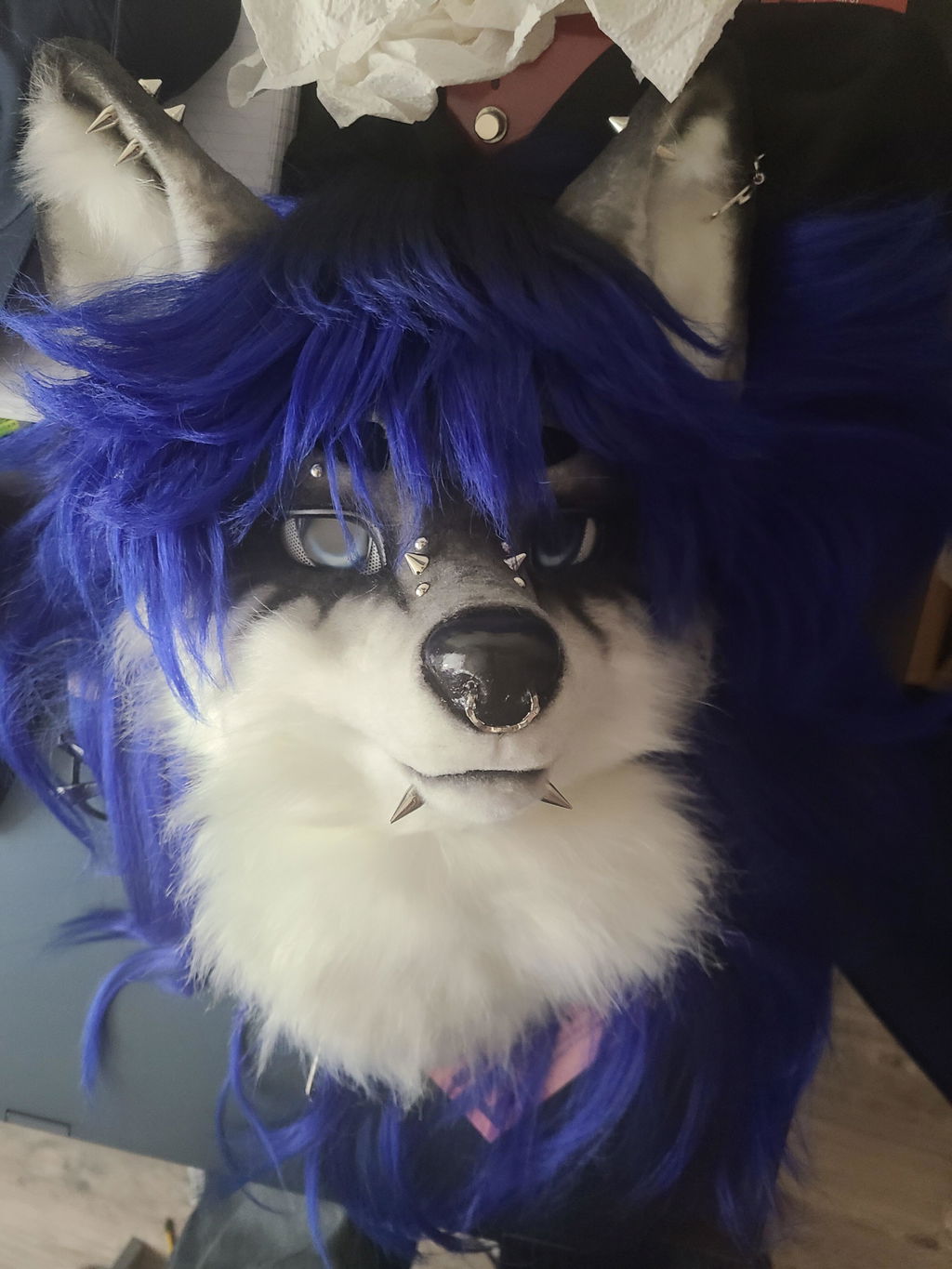
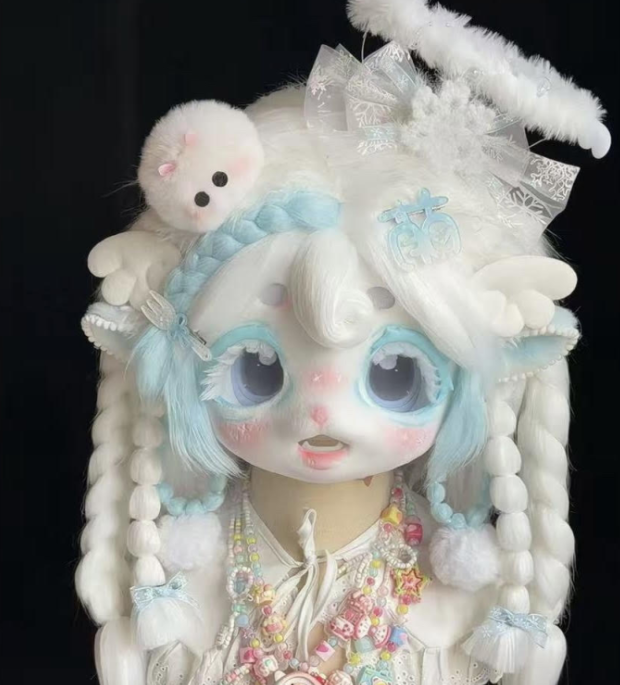
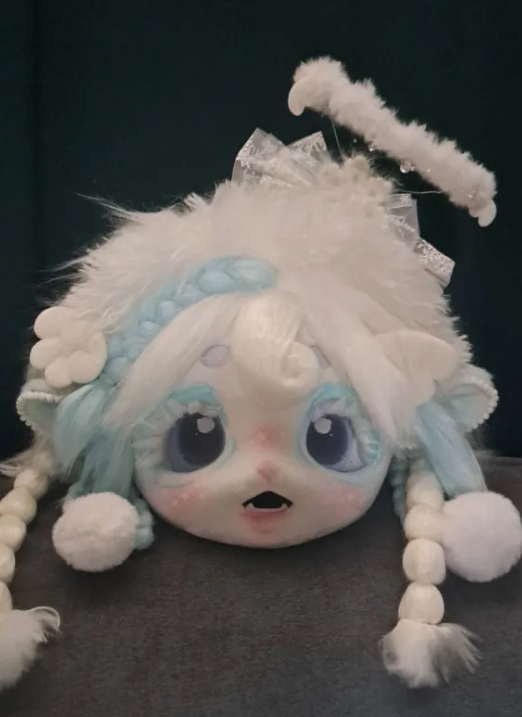
Kigurumi fursuits have become one of the most visually distinct and rapidly growing styles in the modern furry fandom. Inspired by Japanese costume culture and anime character design, Kigurumi—often shortened to “Kig”—represents a unique blend of mascot artistry, stylized expression, and simplified aesthetic design.
While Toony and Kemono fursuits dominate much of the Western and global furry scene, Kigurumi fursuits occupy a niche that emphasizes clean visuals, anime inspiration, and strong character identity.
In this guide, we’ll explore what Kigurumi fursuits are, how they differ from other styles, and why they continue to attract attention in the furry community.
What Is a Kigurumi Fursuit?
A Kigurumi fursuit is a style of anthropomorphic costume inspired by Japanese “kigurumi” character suits and anime aesthetics.
The term “kigurumi” originally refers to full-body character costumes used in Japanese entertainment, mascot performances, and themed events. Within the furry fandom, it has evolved into a distinct fursuit style that focuses on:
-
Anime-inspired facial structure
-
Simplified yet expressive design
-
Smooth and clean visual presentation
-
Stylized character accuracy
Unlike highly exaggerated Toony fursuits or soft, plush-like Kemono designs, Kigurumi fursuits prioritize a more refined and structured appearance.
Key Characteristics of Kigurumi Fursuits
Kigurumi fursuits are instantly recognizable once you understand their core design principles.
1. Anime-Inspired Eyes
One of the most defining features of Kig characters is the eyes.
They are typically:
-
Large and symmetrical
-
Cleanly shaped
-
Highly stylized
-
Emotionally expressive but controlled
The eyes often resemble anime character design more than traditional animal anatomy.
2. Minimalistic Facial Structure
Kigurumi fursuits tend to avoid overly complex facial shapes.
Instead, they focus on:
-
Smooth surfaces
-
Balanced proportions
-
Simple muzzle structure
-
Clean lines and symmetry
This creates a polished, almost “illustrated” look in real life.
3. Controlled Expression Design
Unlike Toony fursuits, which often exaggerate emotions, Kigurumi designs aim for subtle but intentional expression.
A Kig character may feel:
-
Calm
-
Elegant
-
Cute
-
Softly expressive
This makes them particularly appealing for photography and aesthetic-focused content.
4. Clean Aesthetic Presentation
Kigurumi fursuits are often associated with:
-
Neat construction
-
Uniform color blocking
-
Minimal visual clutter
-
Strong silhouette clarity
The overall impression is highly stylized and visually cohesive.
Kigurumi vs Kemono vs Toony Fursuits
To understand Kigurumi fully, it helps to compare it with other popular styles.
Kigurumi Fursuits
-
Anime-inspired design language
-
Clean and structured facial shape
-
Subtle expression style
-
Emphasis on visual aesthetics
Kemono Fursuits
-
Extremely cute and soft appearance
-
Large, rounded eyes
-
Plush-like facial structure
-
Emotional and adorable expression focus
Toony Fursuits
-
Cartoon-inspired exaggeration
-
Highly expressive faces
-
Bold shapes and colors
-
Strong performance-oriented design
While Kemono focuses on cuteness and Toony emphasizes performance, Kigurumi sits in between as a more aesthetic-driven style.
Why Kigurumi Fursuits Stand Out
Kigurumi fursuits are often chosen for their unique visual identity.
They stand out because they:
-
Look different from traditional Western fursuit styles
-
Photograph extremely well under controlled lighting
-
Emphasize character design over realism or exaggeration
-
Align closely with anime and Japanese pop culture aesthetics
For many creators and collectors, Kig fursuits represent a more artistic and stylized approach to character embodiment.
The Role of Character Design in Kigurumi Fursuits
Character design plays a major role in how effective a Kigurumi fursuit looks.
Successful Kig designs often include:
-
Balanced color palettes
-
Strong silhouette recognition
-
Simple but iconic markings
-
Clear emotional identity
Because the style is visually clean, small design choices have a big impact on the final result.
A well-designed Kig character often feels like it could exist in both an anime world and real life at the same time.
Kigurumi Fursuits in Photography and Media
One of the reasons Kigurumi fursuits are growing in popularity is their strong visual presence in photography.
They are especially effective in:
-
Studio shoots
-
Soft lighting environments
-
Cosplay photography
-
Social media content creation
Their clean lines and expressive eyes translate well on camera, making them a favorite among creators who focus on aesthetic presentation.
Who Should Choose a Kigurumi Fursuit?
A Kigurumi fursuit may be the right choice if you:
-
Love anime-inspired character design
-
Prefer clean and minimal aesthetics
-
Want a visually unique style in the furry fandom
-
Focus heavily on photography or online content
-
Appreciate structured, stylized character art
It may be less suitable for those who prefer highly exaggerated cartoon expressions or ultra-soft Kemono aesthetics.
The Growing Popularity of Kig Aesthetics
In recent years, Kigurumi fursuits have seen steady growth in global popularity.
This is driven by:
-
Increased crossover between anime and furry communities
-
Social media influence and visual storytelling
-
Demand for unique, stylized character identities
-
Expansion of Japanese-inspired design trends
As the furry fandom continues to diversify, Kigurumi remains an important and distinctive stylistic category.
Final Thoughts
Kigurumi fursuits represent a unique intersection between anime-inspired design, structured craftsmanship, and expressive character embodiment.
While they may not be as widely recognized as Toony or Kemono styles, Kig fursuits offer something distinctly different: a clean, aesthetic-focused interpretation of anthropomorphic character design.
Whether you're exploring fursuit styles for your fursona or simply learning more about furry culture, understanding Kigurumi helps you appreciate the full artistic range of the fandom—from playful cartoons to soft Kemono designs to refined anime-inspired aesthetics.
In a world of increasingly diverse fursuit styles, Kigurumi continues to carve out its own identity—quiet, stylish, and unmistakably artistic.