Working with fursuit makers is easier when the project is described as a set of decisions rather than a folder of attractive images. A character reference can show the mood, but a useful brief also explains which traits are essential, how the suit will be worn, what coverage you expect, and which details are flexible. Clear communication protects the character idea while leaving room for practical answers.
This article focuses on the conversation before a commission or custom request. It covers character priorities, reference labels, measurements, coverage, questions, timelines, revisions, care, and the boundary between confirmed information and assumptions. It does not claim a private maker process or promise a result that has not been agreed. The aim is to help you become a more prepared client.
Start with the character problem you want to solve
Real use scenario: You know you want a memorable suit, but your brief begins with “make it cute” and gives no way to decide between competing shapes, colors, or expressions.
Actionable advice: Write one sentence about what the character should communicate in the first few seconds. Add three traits that support the sentence and three traits that are optional. This gives fursuit makers a priority order and keeps the project from becoming a collage of unrelated references.
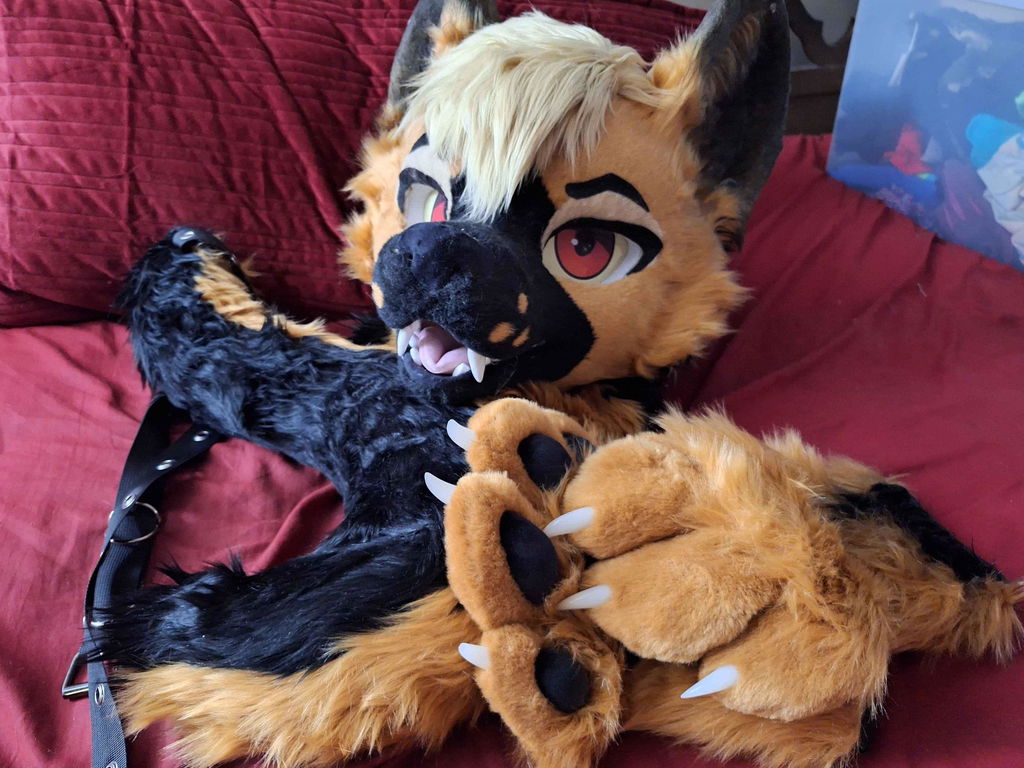
The DokiDoki catalog contains varied character and component directions, which is a useful reminder that a fursuit project can begin with species, mood, costume language, or a specific component. The brief should identify your starting point without pretending that a product title explains every construction detail.
- Describe the desired first impression.
- List essential and flexible traits separately.
- Choose the feature that must remain recognizable.
- Use the priority order when references disagree.
Label every reference image by its job
Real use scenario: You have many images, but some show color, some show pose, some show a species cue, and some are simply appealing. The maker cannot know which parts are instructions.
Actionable advice: Label images as requirement, inspiration, color reference, silhouette reference, expression reference, or flexible idea. Add a short caption explaining what should be borrowed and what should not. This is more useful than sending a large unranked mood board.
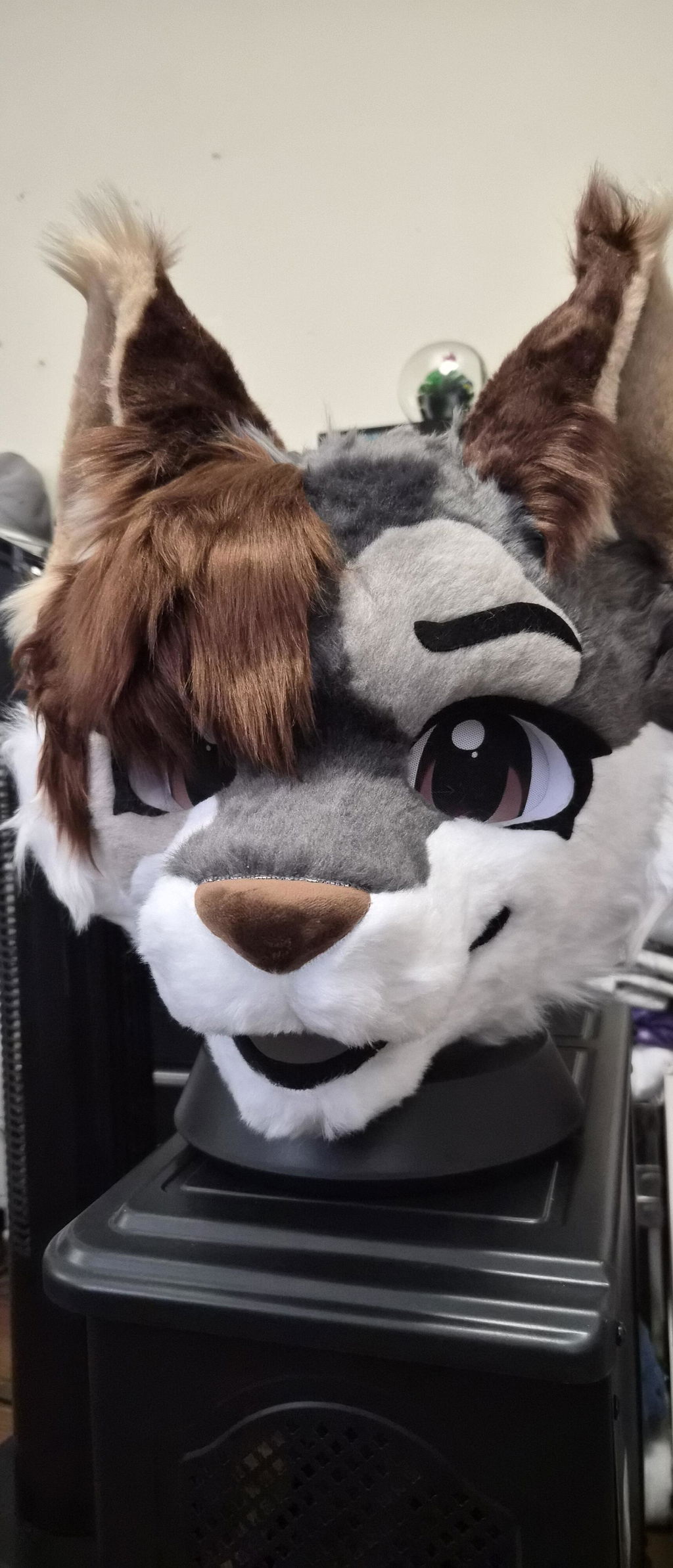
A listing such as Red Fox Fursuit can be a concrete character reference, while a separate component page can show a different planning need. Keep those roles distinct. A product page identifies the exact item; it does not automatically become a specification for a custom project.
- Give each image one primary label.
- Write a sentence about the intended lesson.
- Mark anything that is not meant to be copied.
- Put must-match references at the top.
Explain colors as relationships
Real use scenario: Your character uses several shades, gradients, or accents, but different screens and lighting make simple color names ambiguous.
Actionable advice: Assign each color a role: base, contrast, accent, and neutral. Explain where the colors should appear and which relationship matters most. If a particular shade is essential, provide a clear reference and ask how it will be discussed or confirmed for the project.
Color guidance is a design requirement, not proof of how a material will look in every photograph. Fursuit makers need a relationship map that says what should stand apart and what can remain flexible. That is more durable than relying on a name such as “blue” or “pink” alone.
- Use roles instead of an unranked color list.
- Identify the strongest contrast.
- Repeat important accents deliberately.
- Ask direct questions about uncertain shades.
Prepare measurements without guessing
Real use scenario: You are ready to request a custom piece, but you are unsure which measurements are needed or how to format them.
Actionable advice: Ask for the maker’s measurement list and instructions before measuring. Use the requested units and label each number clearly. Record the date and any relevant use condition, such as intended layers or a partial coverage plan. If a measurement is uncertain, mark it as a question rather than quietly estimating.
Catalog products and custom components can have different information requirements. A page such as Fursuit Undersuit Bodysuit can help you think about layering, while the exact custom request still needs its own measurement conversation.
- Request the exact measurement checklist.
- Measure in the requested format.
- Record layers and intended coverage.
- Flag uncertain numbers before submission.
Decide whether the project is full or partial
Real use scenario: You want a recognizable character but may only need a head, paws, tail, or another partial combination for your first event.
Actionable advice: Draw the exact combination you expect to wear and inspect every exposed edge. Decide which colors repeat at the neck, wrists, ankles, and waist. Tell the maker what you will wear with the piece and where you expect to change or take breaks.
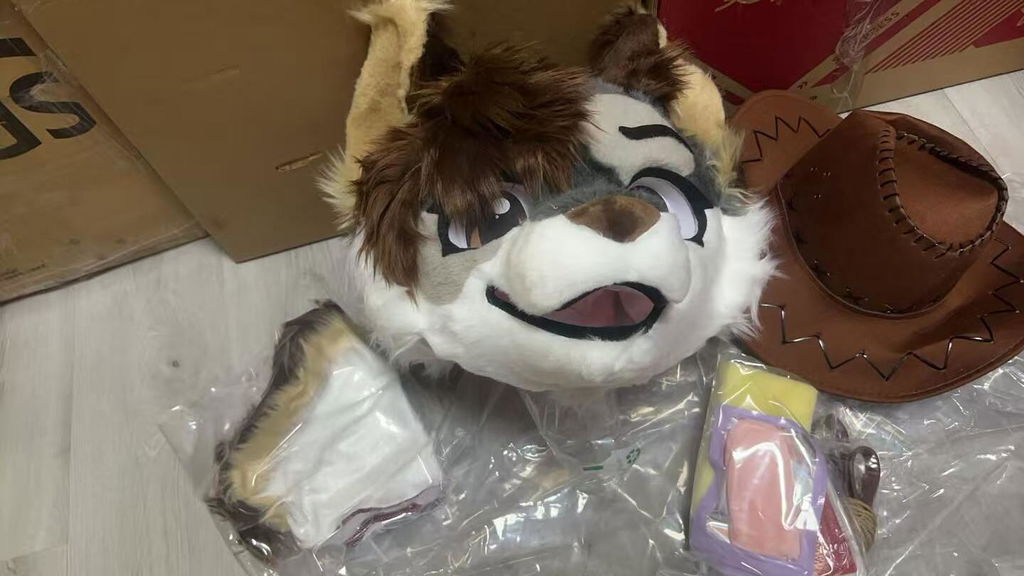
The catalog includes separate listings such as Custom Paw Order and Custom Fursuit Tail Order. These are real component references, not evidence that every combination is automatically compatible. Your brief should make the intended set explicit.
- Show the planned coverage in a sketch.
- Plan transitions at exposed edges.
- List components that are essential now.
- Ask compatibility questions before combining items.
Ask questions in a useful order
Real use scenario: You have many questions about price, timing, materials, care, changes, and fit, but a long message makes it difficult to see which answers are urgent.
Actionable advice: Group questions into project scope, measurements, included components, timing, care, and revision boundaries. Put the questions that could change your decision first. Keep answers with the exact project notes so details do not migrate from one commission or listing to another.
A product page can confirm the identity and listed details of a specific catalog item. It cannot answer every personal fit or commission question. Good communication makes the unknowns visible before they become late surprises.
- Ask decision-changing questions first.
- Group questions by subject.
- Save answers with the project record.
- Do not treat silence as confirmation.
Turn timing into shared milestones
Real use scenario: You have an event date and are worried about whether the project will be ready, but your notes contain only one final deadline.
Actionable advice: Write the event date, the date you need to make a decision, the date measurements must be ready, and any review points that have been agreed. Ask what information is needed at each stage. Keep flexibility for questions rather than scheduling every day as if no revision will be needed.
A timeline is a communication tool, not a guarantee. Do not invent turnaround times, guarantees, or milestones that are not confirmed. Ask the relevant maker or seller for the information that applies to your actual project.
- Record the event date and decision date.
- Separate confirmed milestones from hopes.
- Leave room for questions and review.
- Update the project record when an agreement changes.
Review a concept without losing the character
Real use scenario: You receive a concept or recommendation that looks polished, but one of your essential character traits has become less visible.
Actionable advice: Review the concept in priority order. First check the one-sentence character goal, then silhouette, expression, palette roles, markings, coverage, and accessory placement. Give specific feedback tied to a visible feature. Avoid replacing the entire direction when one change would solve the problem.
A clear revision note helps both sides distinguish a required correction from a new idea. If you change the character’s core after review, say so explicitly because it may affect other decisions.
- Review essentials before optional details.
- Point to the exact feature that needs change.
- Explain the intended character effect.
- Separate correction from new inspiration.
Finish with care and first-use questions
Real use scenario: The project is nearly complete and your attention is on photos, but you have not asked how to handle, store, clean, or rehearse the finished piece.
Actionable advice: Prepare a first-use checklist: what to inspect, how to transport components, what care instructions apply, what movements to rehearse, and when to take breaks. Ask about any fit, vision, ventilation, or attachment detail that is not stated. Keep the product or project page with the final notes.
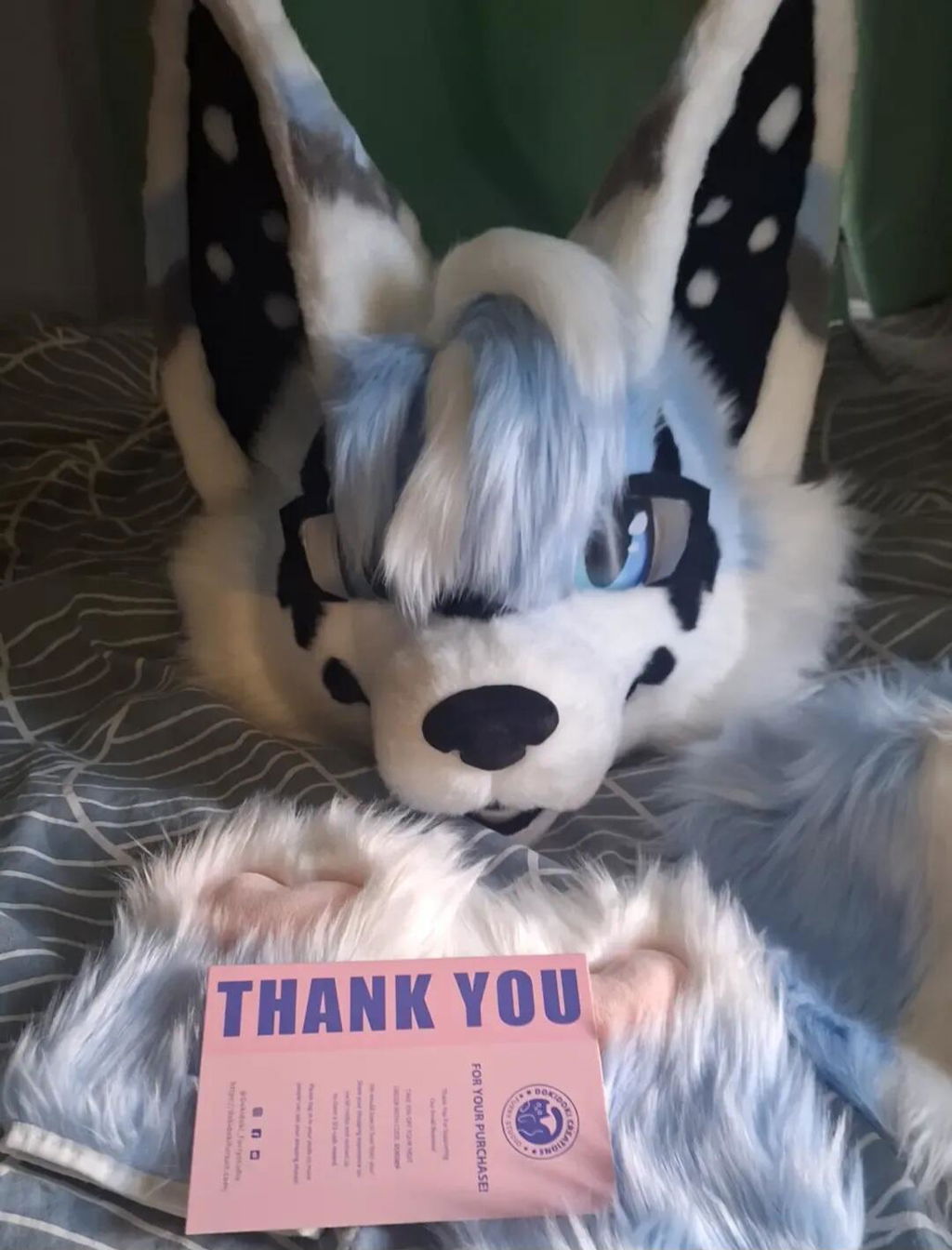
DokiDoki pages can anchor the exact listing or component you are discussing, while your personal rehearsal supplies evidence about your routine. Neither should be used to infer a specification that was never confirmed.
- Ask for item-specific care information.
- Rehearse the intended coverage and movement.
- Plan transport and storage before the first event.
- Save unresolved questions until they are answered.
It is also helpful to keep a decision log. Write down the character version you are discussing, the references that were approved, the measurements submitted, and the questions still open. If a later idea changes the species cue, coverage, or main color relationship, record that change instead of quietly replacing an earlier instruction. This makes the project easier to follow when several messages, images, or components are involved. It also protects your own confidence: you can see why a choice was made and whether a new suggestion supports the original goal.
Before sending the final brief, read it as if you had never seen the character before. Can another person tell what must be preserved, what may change, how the piece will be worn, and what answer you still need? If not, shorten the reference folder and strengthen the written priorities. Clarity is not about removing personality; it is about giving personality a reliable structure.
When you discuss components, describe the finished combination rather than only naming the individual parts. Say whether the head will be worn with paws, a tail, an undersuit, or ordinary clothing, and explain which transitions should look intentional. Mention how the character will be transported and where breaks will happen. These details are not hidden specifications; they are use conditions that help a maker understand the problem the project must solve. If you are requesting a single component, state what the rest of the outfit will look like so visual decisions do not happen in isolation. When a component is flexible, say so. When it is essential, explain why. A short reason is often more useful than another image.
This level of context helps the conversation stay about the character and its use, not just about isolated product names.
Keep the final questions visible, concise, and easy to answer.
That small habit makes future revisions much easier.
Keep every agreed detail easy to find.
Clarity supports creativity.
Plan it early and clearly.
Start early. Ask clearly. Save answers.
DokiDoki clients can use the same record to keep their project questions clear.
Working with fursuit makers becomes calmer when your brief explains the character problem, labels references, separates color roles, records measurements, and makes coverage and timing visible. Start with the traits that must survive, ask questions in a useful order, and review concepts against the original goal. A clear project record protects both the creative idea and the practical details that make the finished character easier to wear.