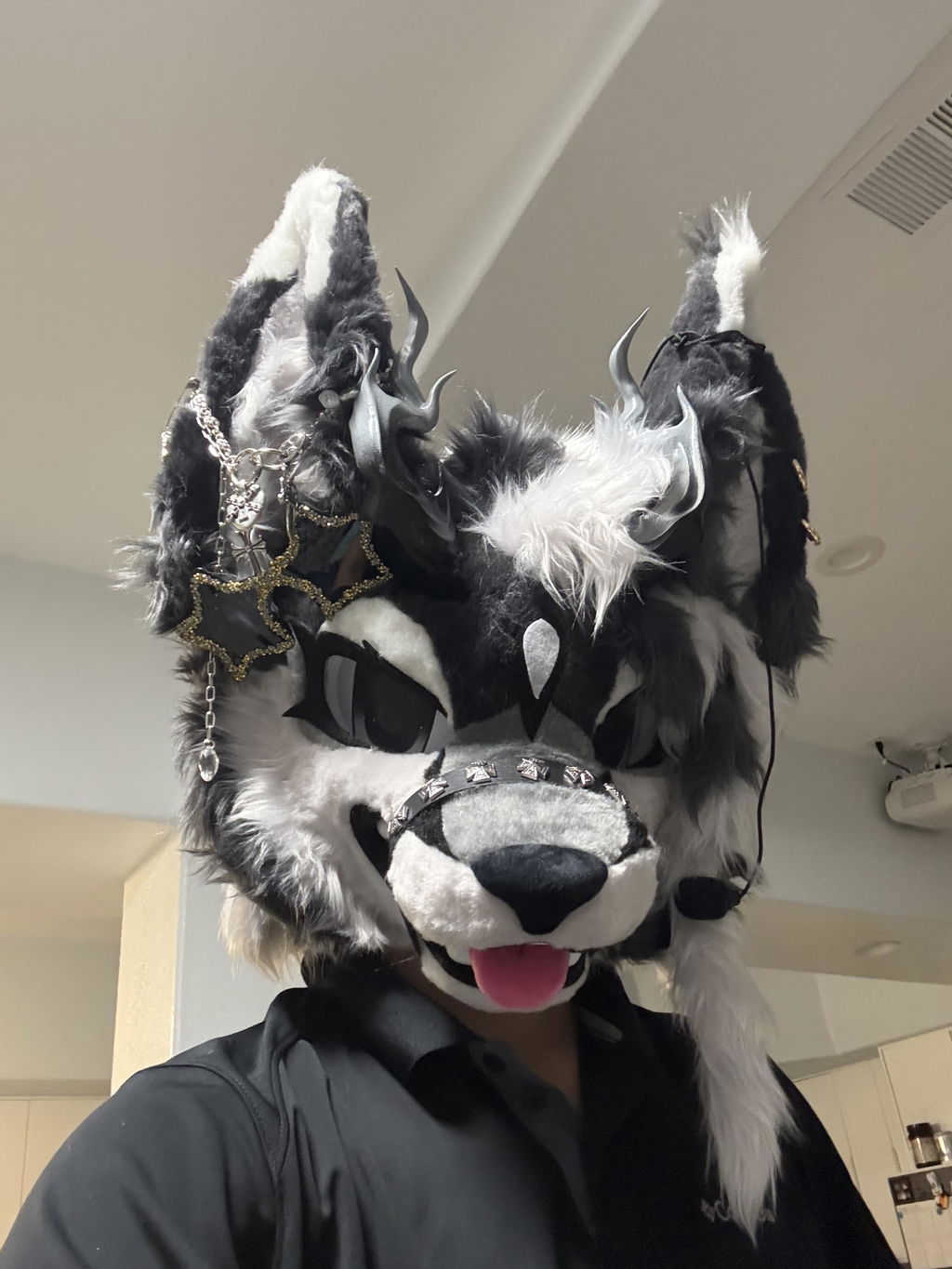
A partial fursuit gives you room to build a character look around the pieces you will actually wear. Instead of starting with a full-body plan, decide how much coverage your events require, how you want the character to read from a distance, and which pieces will make walking, sitting, and taking breaks easier.
Start with the event, not the shopping list
Your first decision is the setting. A short photo session, an indoor convention, and a long day of moving between crowded spaces place different demands on a partial. Write down the event length, expected walking, opportunities to remove pieces, and whether you will be carrying a bag or other supplies.
- Short appearances: prioritize the head, hand coverage, and one strong character cue such as a tail.
- Long convention days: plan removable layers, clear breaks, and a way to keep small accessories together.
- Frequent movement: favor a balanced silhouette and pieces that will not catch on chairs, doorways, or other people.
This keeps the partial focused. You are choosing a wearable character system, not simply collecting separate costume pieces.
Choose coverage that matches your comfort plan
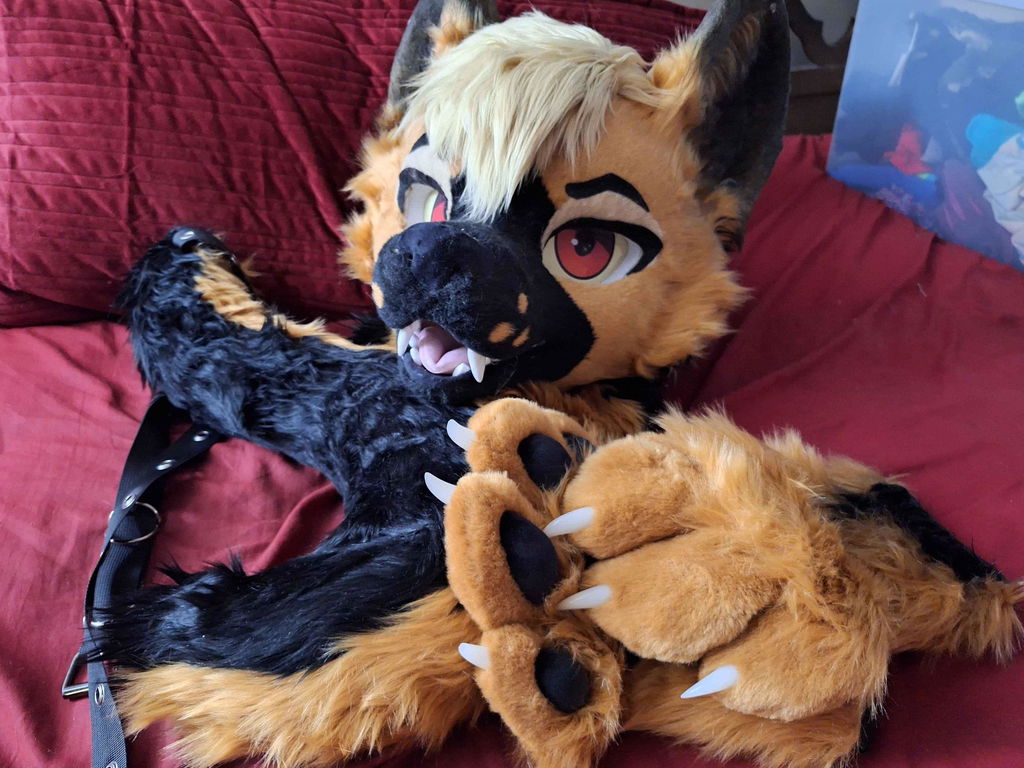
Coverage is the practical difference between a light partial and a more complete look. A head, paws, and tail can establish the character while leaving your everyday clothing visible. Adding an undersuit or foot paws creates a more unified silhouette, but it also changes how you layer, move, and cool down.
Before ordering, sketch the outfit from the front and side. Mark where the fur colors meet your clothing, where the tail attaches, and which areas need room for natural movement. If you want a flexible starting point, compare a paw-focused setup with a head-and-tail setup before adding lower-body coverage.
Make the character read through three coordinated cues
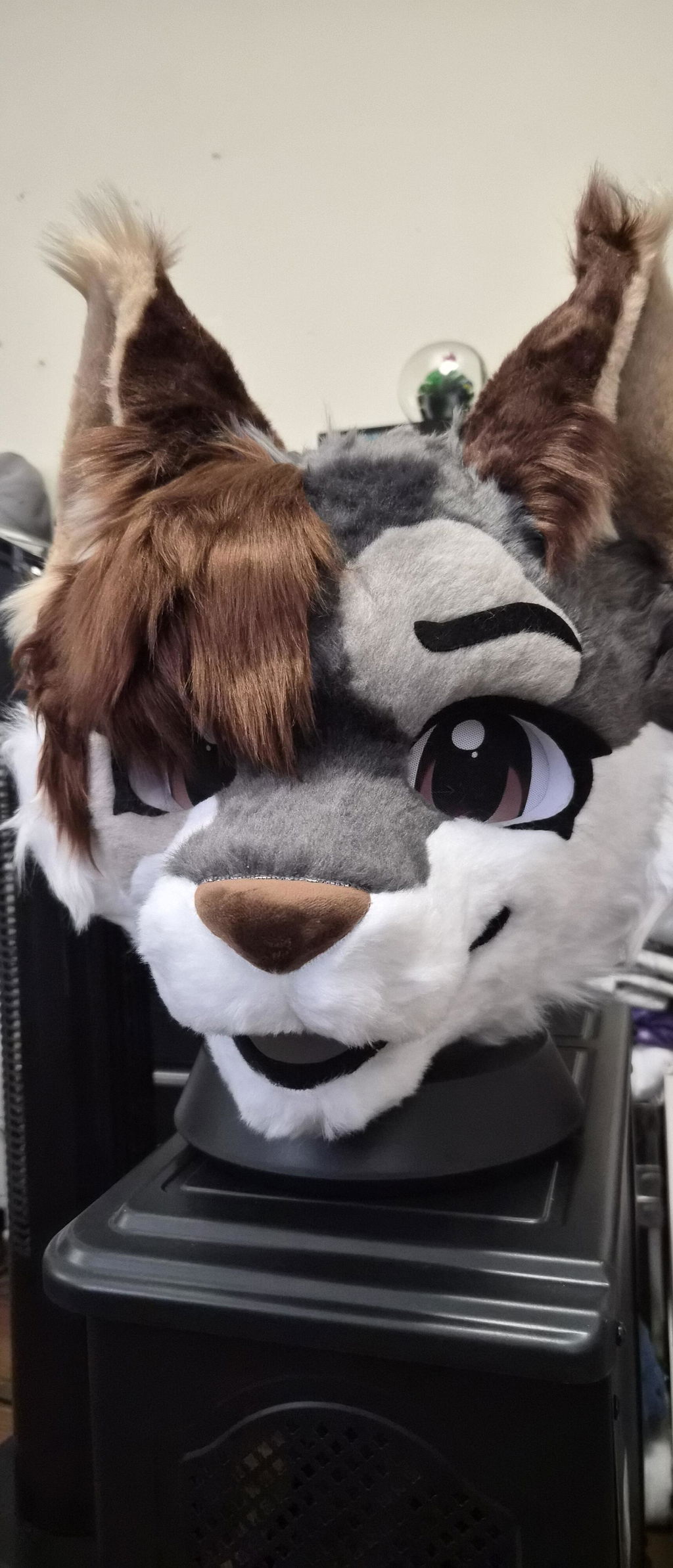
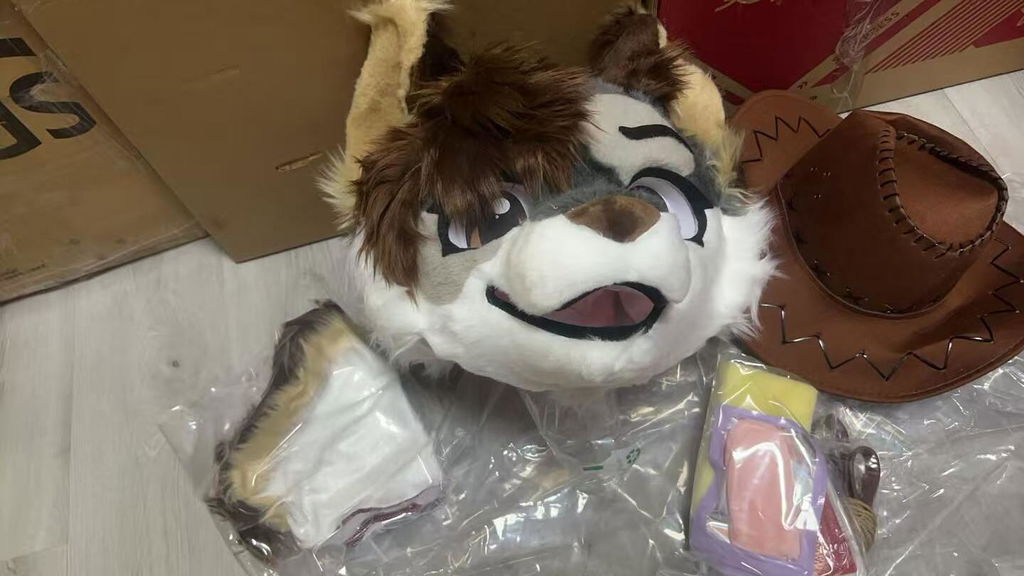
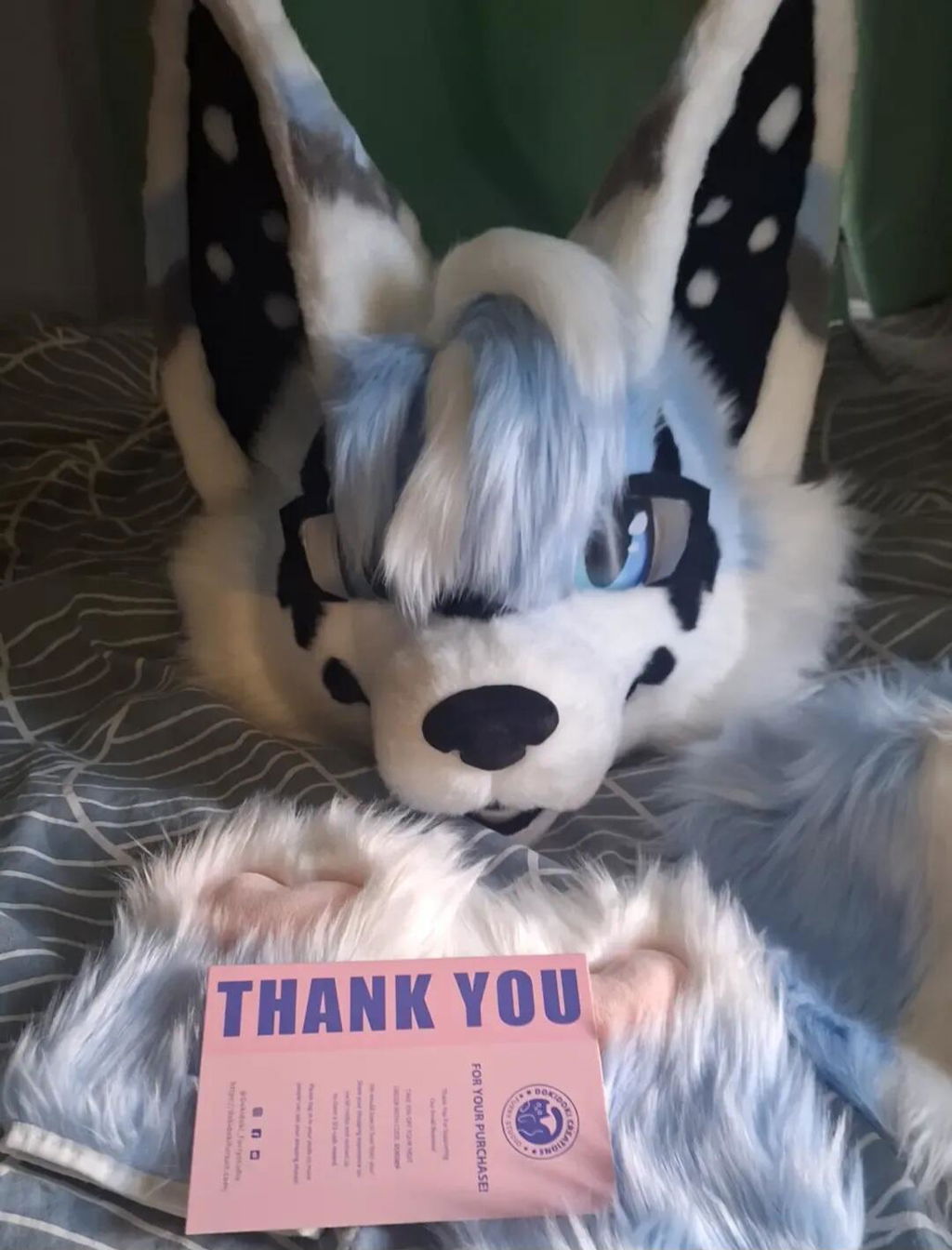
A partial looks intentional when its main pieces repeat the same character signals. Choose one dominant color, one supporting color, and one recognizable feature such as an ear shape, marking, or tail silhouette. The goal is not to match every garment; it is to make the visible pieces tell the same character story.
- Hands: use paws or half-paws to establish the character at conversational distance.
- Profile: use the tail or ears to create a clear outline when you turn or pose.
- Base layer: use clothing or an undersuit that lets the fur colors stay visually consistent.
For a modular setup, Premade Fursuit Paws can serve as a hand-focused starting point. If you want a made-to-order color direction, review the Custom Paw Order and keep its color decisions aligned with the rest of the outfit.
Plan movement, layers, and cooling together
Comfort is a system decision. The pieces touching your body, the clothes underneath, and the way you take breaks all affect the experience. Test the complete combination at home: sit down, climb a few stairs, turn around, reach for a phone, and walk with the tail attached. Note anything that pulls, shifts, blocks your view, or makes your clothing bunch up.
An undersuit can help create a consistent layer beneath a partial. The Fursuit Undersuit Bodysuit is an option to consider when you want the base layer to be part of the plan. For warm rooms or long sessions, a Portable Fursuit Fan may be useful to include in your preparation, subject to the product page's current details and your own event rules.
- Wear the intended base layer during your movement test.
- Check that the tail attachment stays secure while turning and sitting.
- Keep water, a phone, and small repair supplies accessible.
- Schedule breaks before you feel overheated or fatigued.
Use a checklist before your first outing
Do one low-pressure rehearsal before an event. Put on every planned piece, take a few photos from different angles, and ask whether the character still reads when one item is removed. This catches color gaps and attachment problems while there is still time to adjust.
- Confirm the head, paws, tail, and base layer are compatible.
- Check vision, sitting comfort, walking clearance, and attachment points.
- Pack water, a phone, storage bags, and simple repair supplies.
- Choose a break location and a time to remove pieces.
- Review the venue's rules for props, fans, and costume coverage.
If you later decide to expand the look, a Custom Fursuit Tail Order can be evaluated as a separate design step rather than added without checking balance. Building in stages lets each new piece earn its place in the character and in your event routine.
Make the first partial easy to wear again
The best first partial is one you can put on, move in, take breaks from, and store without turning every outing into a complicated project. Start with the event, coordinate a few strong character cues, test the full combination, and add coverage only when it improves the look or the experience. That approach gives you a clear path from a simple first appearance to a more complete character wardrobe.