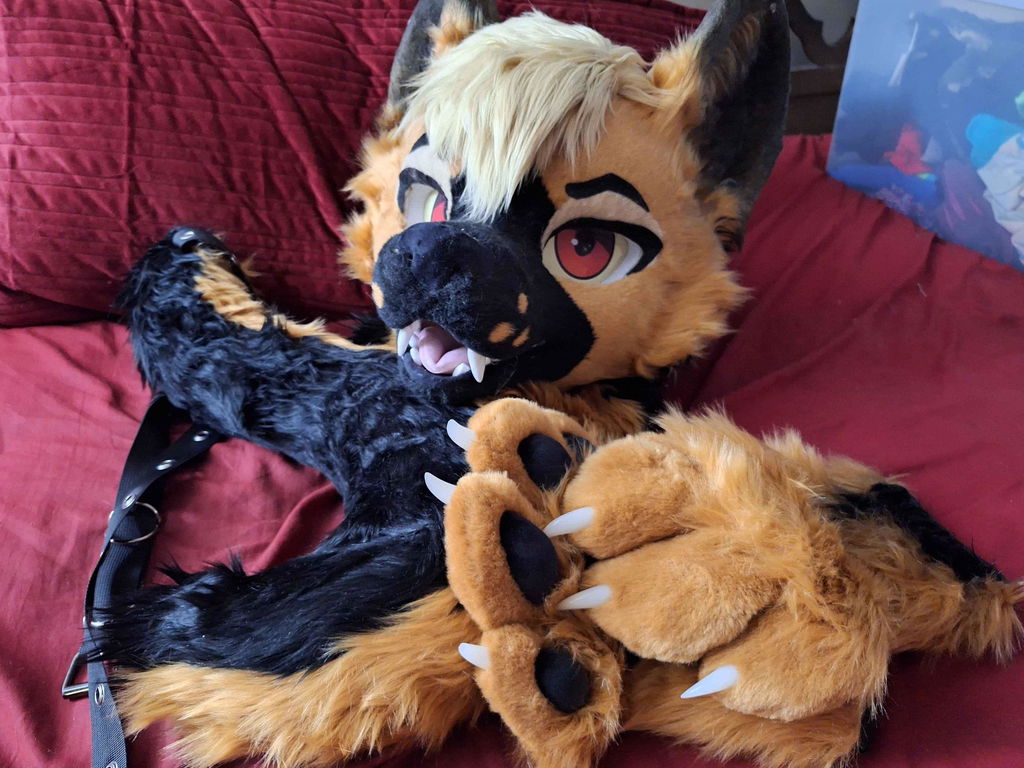
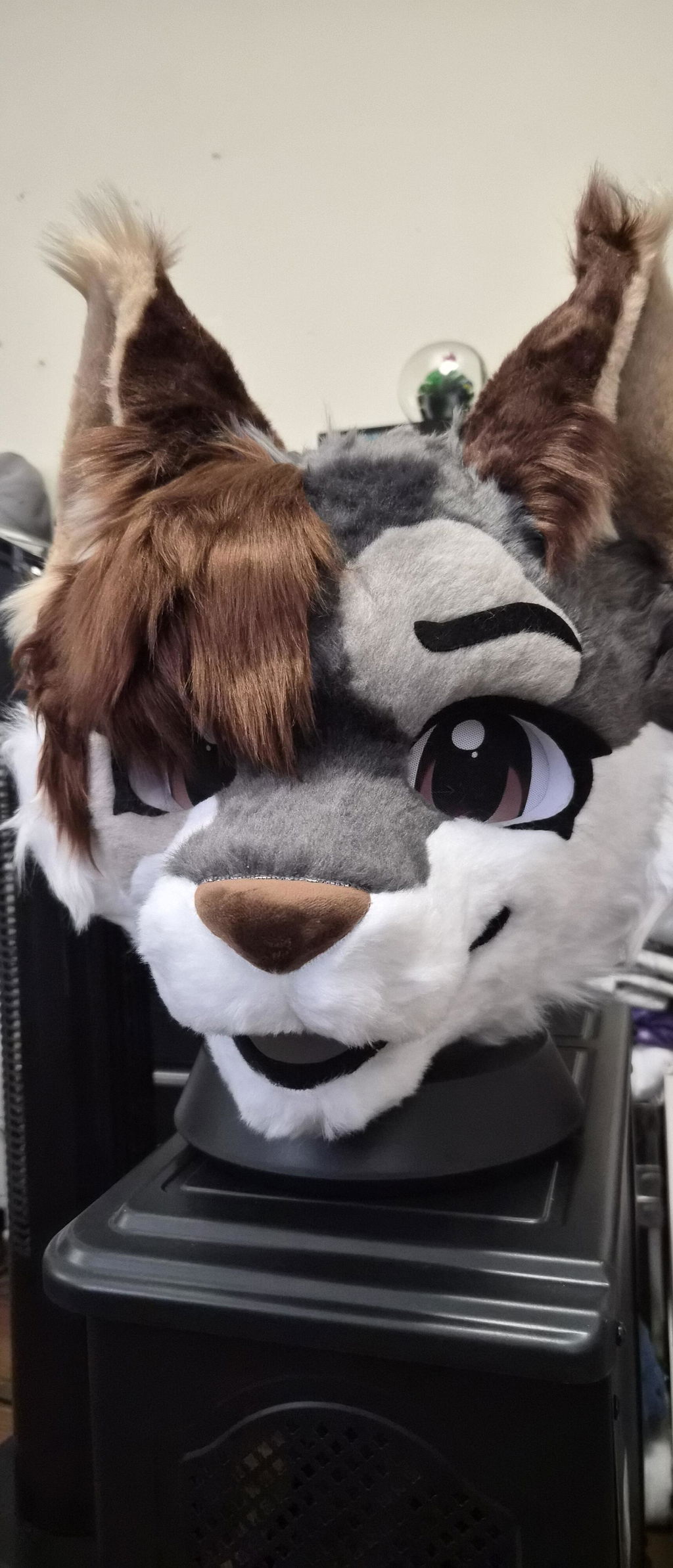
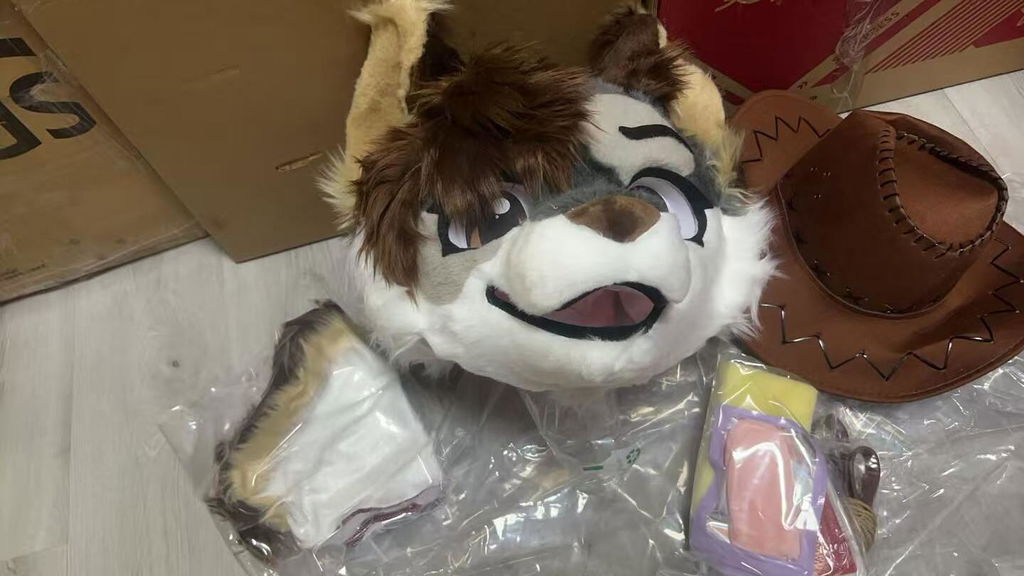
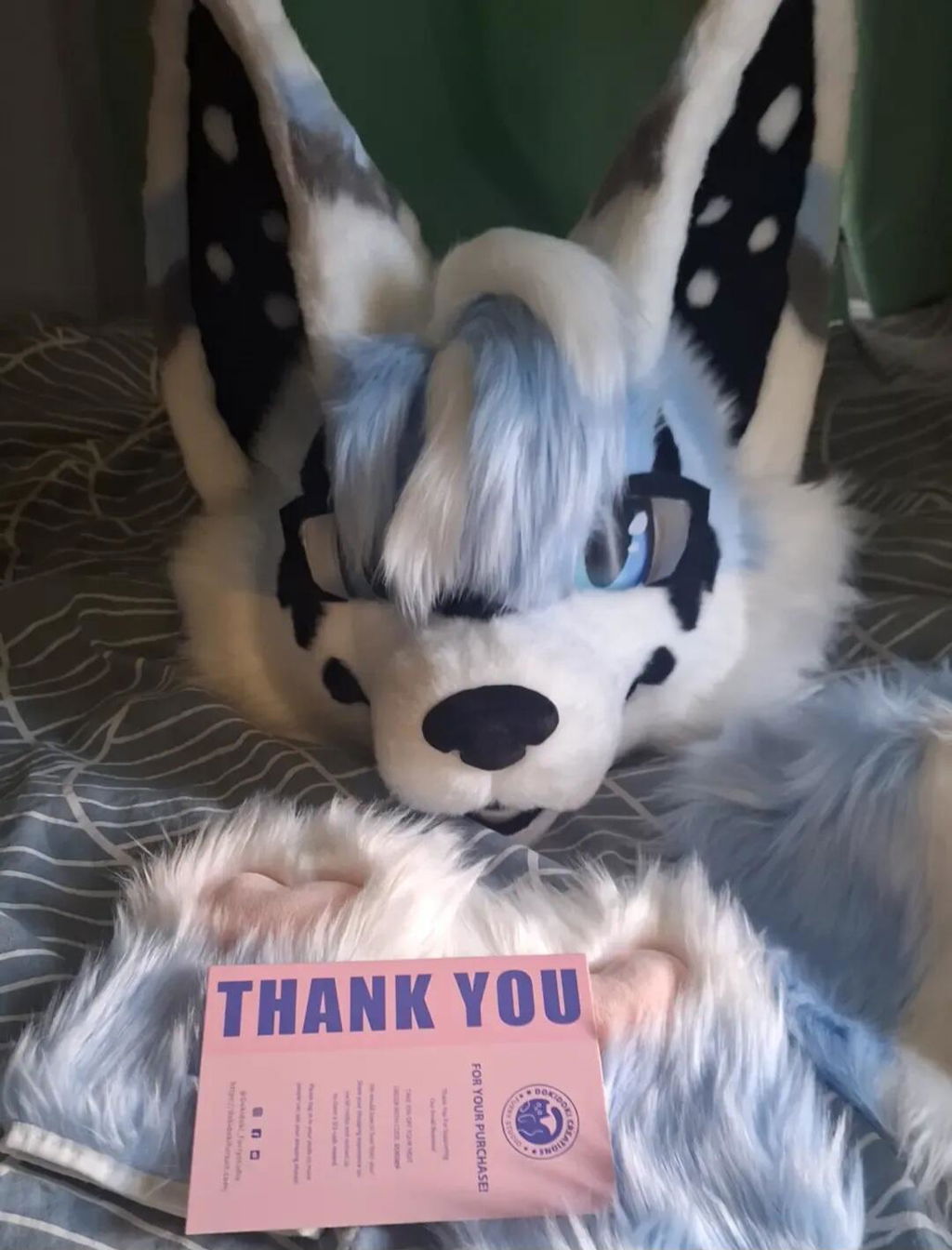
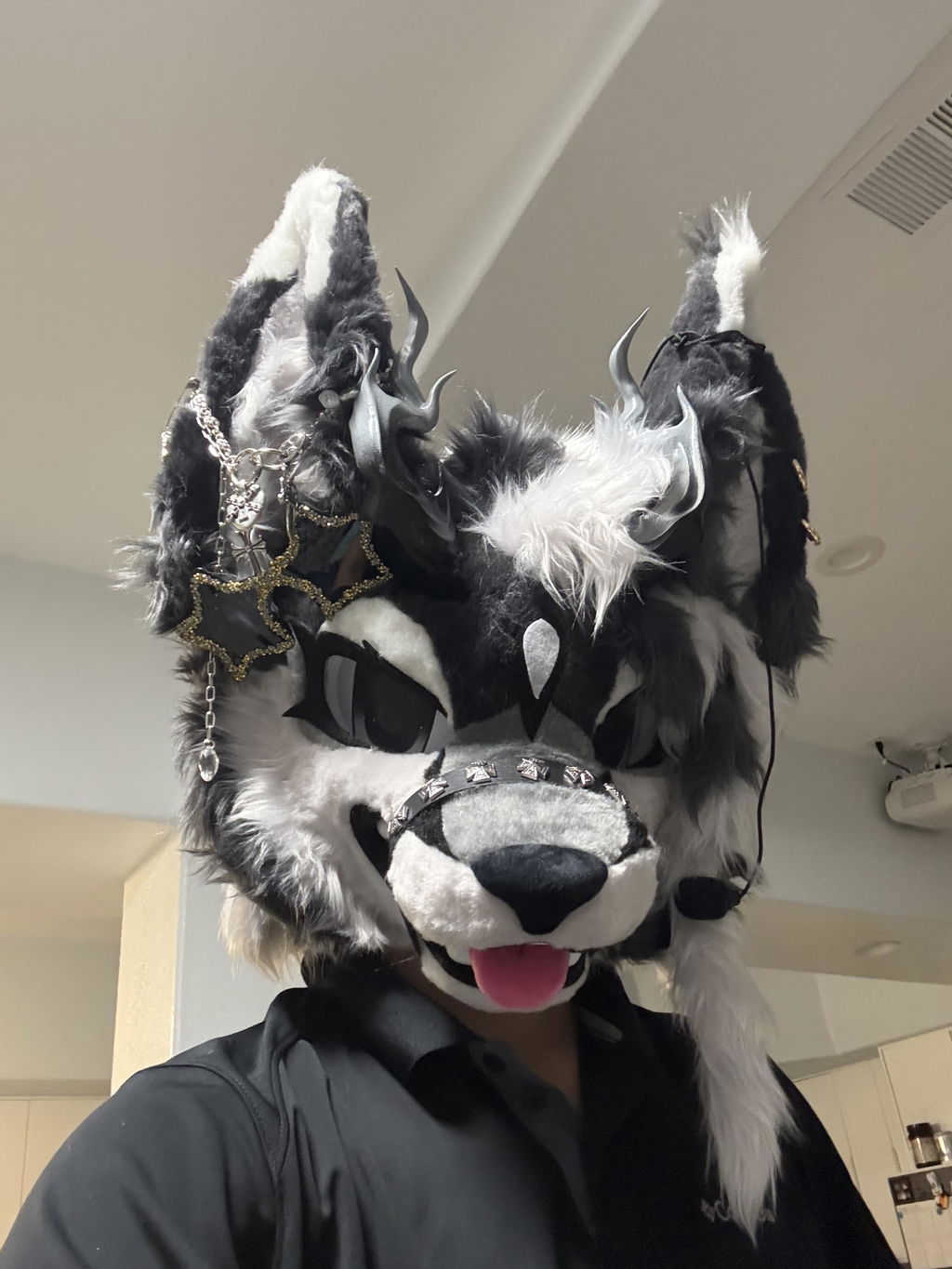
When people search for chinese fursuits, they are often trying to understand a visual language before they choose a character direction. The phrase can point to where a shop is based, how listings are described, or a softer style of face, eyes, colors, and presentation. The useful first step is not to guess from the label. It is to read the visible cues, separate style from fit, and build a character plan that you can actually verify.
What people usually mean by Chinese fursuits
The phrase can mean several different things, so treat it as a starting point rather than a complete product description. One listing might use it to describe a shop location. Another might use it loosely for a cute, expressive, anime-influenced look. A third might simply appear in search because buyers use that wording when comparing styles.
That ambiguity matters. If you assume the phrase tells you everything about construction, comfort, included pieces, or maker process, you can make a plan around details that are not actually shown. A better approach is to ask what you can confirm from the page and the photos.
- Origin: where the shop, studio, or seller is located, if the listing says so clearly.
- Style: visible choices such as eye shape, cheek volume, muzzle softness, color balance, and expression.
- Coverage: whether the listing shows a head, paws, tail, partial, full suit, or separate accessory.
- Evidence: current photos, product text, variants, and verified availability.
Read the face before the full outfit
The face usually carries the strongest style signal. Before comparing every product in a catalog, slow down and look at the eyes, muzzle, cheeks, ears, and brow line. A rounded cheek and open eye shape can make a character feel gentle. A longer muzzle, sharper markings, or narrower eye direction can make the same species feel more alert, elegant, or dramatic.
For chinese fursuits, this face-first reading helps you avoid a common mistake: choosing a whole outfit because the colors are appealing while missing the expression that makes the character work. If the face feels too sweet, too serious, or too close to another character you have seen, the rest of the plan will inherit that problem.
Separate style inspiration from fit decisions
Style and wearability are related, but they are not the same decision. A character may look soft and delicate in photos while still needing practical planning for walking, sitting, hand movement, storage, and breaks. Decide what the suit needs to do before you add more pieces to the concept.
| Planning question | Why it matters |
|---|---|
| Will this be for photos, conventions, or short videos? | The activity changes how much coverage and movement you need. |
| Do the hands need detail or easier use? | Paws affect posing, phone use, handling, and the overall silhouette. |
| Does the character need a tail or feet to read clearly? | Extra pieces should strengthen the outline, not add clutter. |
| What base layer will sit under the look? | Comfort planning should happen before a long outing. |
If you are planning modular pieces, Custom Paw Order can be useful when the hands need to match a specific color or marking plan. For movement and layering, a Fursuit Undersuit Bodysuit is worth reviewing as part of the comfort layer rather than as an afterthought.
Use color and markings to keep the character coherent
A strong character plan usually has fewer moving parts than beginners expect. Pick one dominant color, one supporting color, and one repeatable marking idea. Then check whether those choices appear consistently across the face, paws, tail, and any clothing or accessories you plan to wear with the suit.
This is especially helpful when browsing chinese fursuits because many appealing designs are visually rich. Soft gradients, high-contrast ears, dramatic eye colors, or decorative markings can all work, but they need a hierarchy. If every part tries to be the main feature, the character becomes harder to read from a distance.
- Choose the expression first: gentle, playful, mysterious, elegant, shy, bold, or mischievous.
- Choose the color story second: warm, cool, pastel, monochrome, natural, or theatrical.
- Choose one repeatable motif: spots, stripes, ear contrast, tail tip, paw pads, or eye accent.
- Remove anything that does not support those three decisions.
For separate character pieces, Custom Fursuit Tail Order and Custom Fursuit Foot Paws are examples to review only after the color and silhouette plan is clear.
Check product-page evidence without overreading it
A product page should answer practical questions, but readers sometimes make assumptions from images alone. Do not assume a photo shows every included piece. Do not assume a style label guarantees a specific maker method. Do not assume a color in one image will solve the whole character plan. Use the page as evidence, then write down what is still uncertain.
- Confirm what the listing actually includes.
- Check whether the product is currently available.
- Compare the visible colors with the character palette you chose.
- Look for the pieces that are missing from your plan.
- Save the product URL only if it supports a real decision.
If you want a finished suit as a visual reference for proportion, compare listings by what they show clearly. For example, an Abyssinian Cat Realistic Fursuit can help you study how a more natural face direction changes the feeling of a character compared with softer or more stylized options. The point is not to copy the product; it is to notice which choices make the design readable.
Build a simple planning note before you commit
Before you decide that a design direction is right, make a short planning note. Keep it plain: face cue, color story, coverage, movement need, verified links, and missing pieces. This note prevents the search from becoming a pile of attractive screenshots with no clear decision.
A useful note might say: soft-eyed lamb direction, cream and warm accent colors, head and paws first, tail only if it strengthens the silhouette, needs easy hand movement for events, verify each product page before adding anything. That is enough to guide a real comparison without turning the whole process into a generic buying checklist.
Chinese fursuits can be a helpful search phrase, but the phrase should lead you into better visual reading, not quick assumptions. Start with the face, separate style from comfort, verify each listing, and build the smallest character plan that still feels complete.