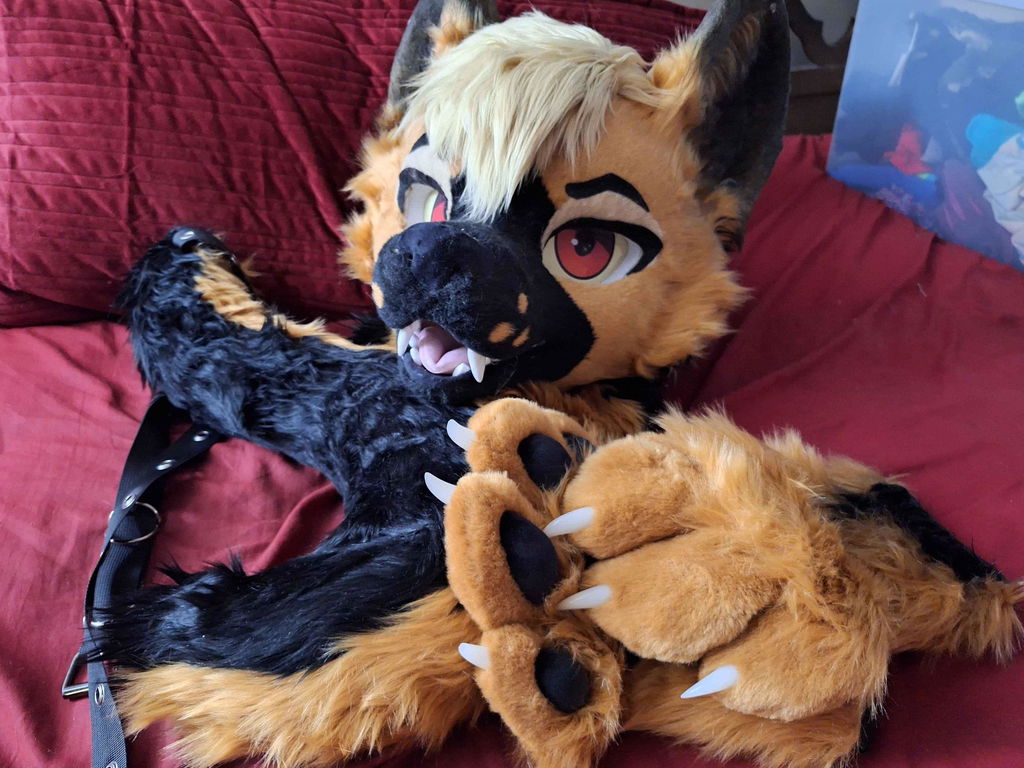
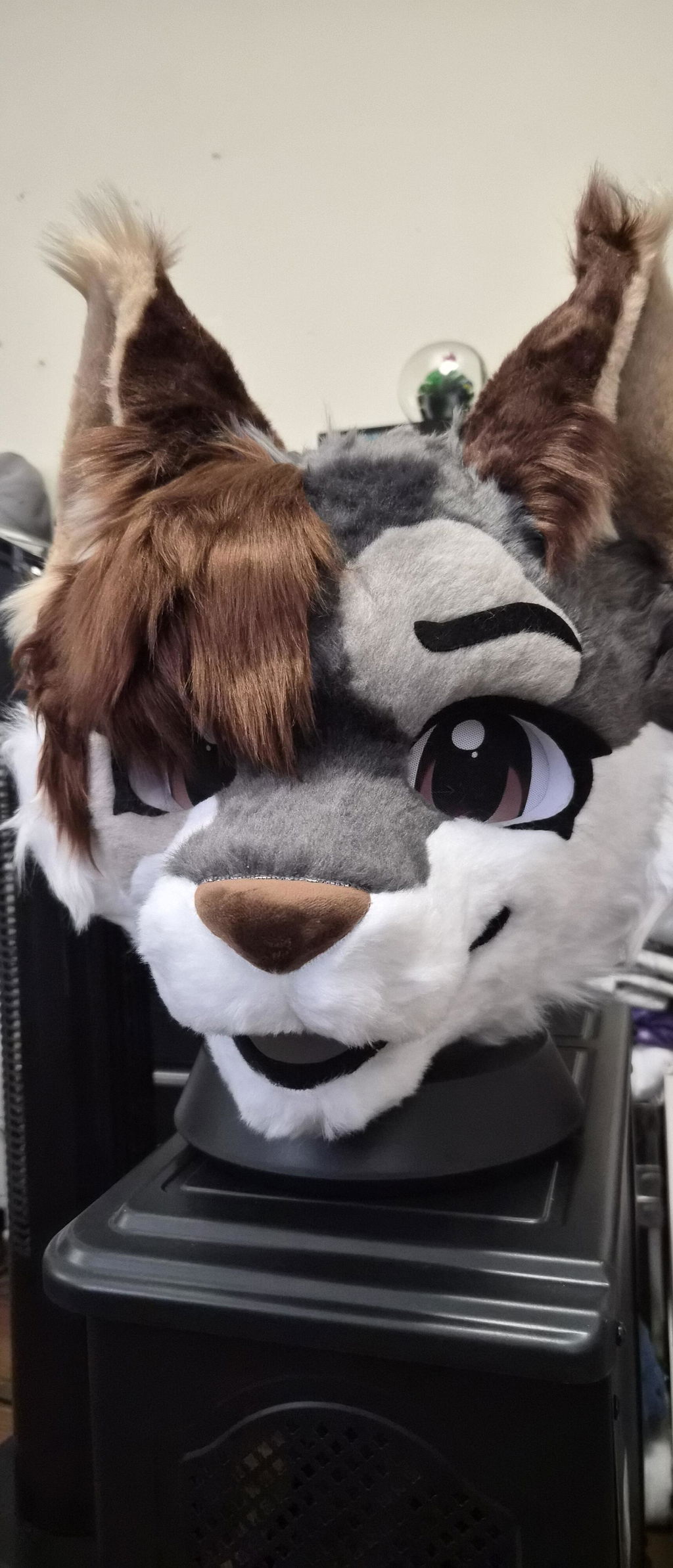
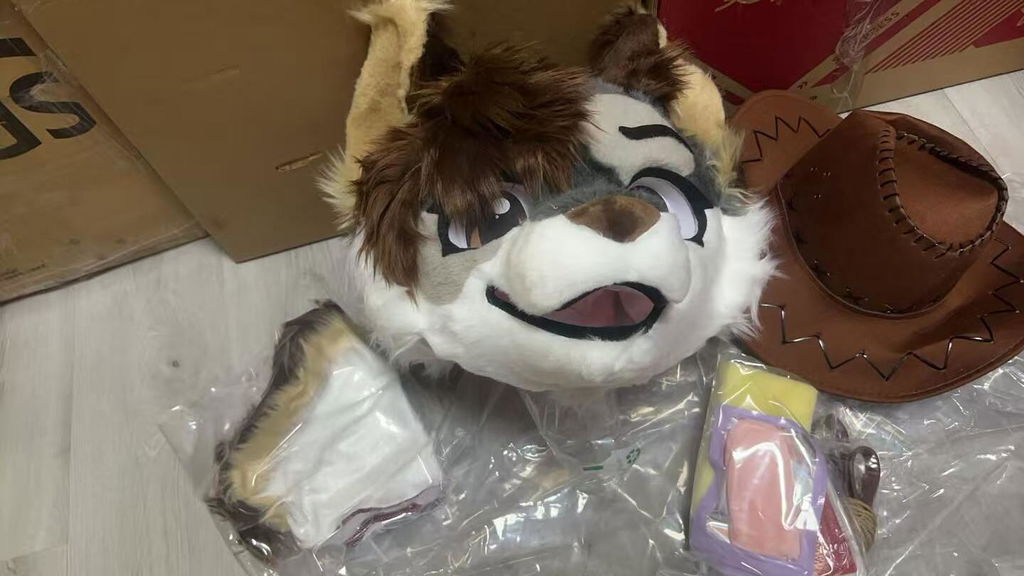
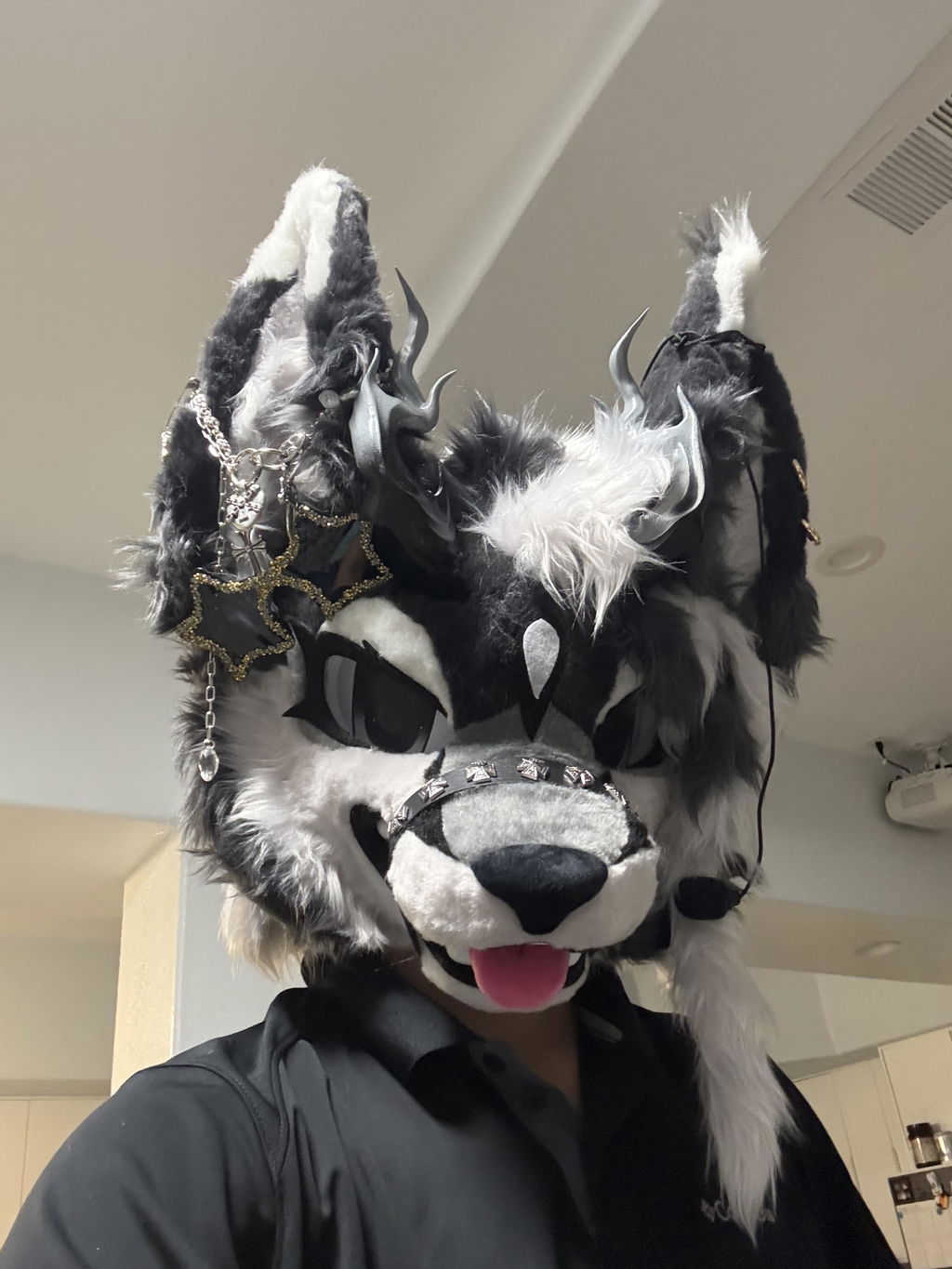
Searching for a fursuit for sale can feel like choosing between hundreds of exciting character ideas. A better first move is to build a short list you can explain. Compare the character read, the coverage, the way you plan to use the suit, and the details the listing actually confirms. This keeps a great photo from making the whole decision for you.
Start with the moment the suit needs to support
Write down the main use before you compare designs. A short photo session, a convention day, and a casual meet-up can all point to different priorities. The question is not whether one use is better. It is whether the suit you choose matches the way you expect to wear it.
- Photos: prioritize a clear face, strong silhouette, and markings that read from the camera.
- Events: consider movement, breaks, storage, and how much coverage feels manageable.
- Meet-ups: focus on the character cues that help people recognize the design quickly.
Keep this note to one or two sentences. It becomes a filter when several listings look equally appealing.
Turn the character idea into visible checkpoints
A character brief is more useful when it describes things you can see. Instead of writing only “cute fox,” note the expression, dominant colors, marking placement, ear shape, and the pieces that must be present for the character to feel complete.
| Checkpoint | What to compare | Decision it supports |
|---|---|---|
| Face | Eye direction, muzzle shape, cheek volume, and expression | Does the design feel like your character? |
| Color | Dominant shade, contrast, and repeated markings | Will the design stay readable in different light? |
| Silhouette | Ears, tail, paws, feet, and overall outline | Which pieces carry the identity? |
| Coverage | Head, paws, tail, partial, or full-suit presentation | Does the format match the planned use? |
For a modular plan, review Custom Paw Order when a specific hand color or marking is central to the brief. Treat it as a separate comparison from a finished suit, because the decision is about one character component.
Compare coverage as a practical choice
Coverage changes the way you move, layer, store, and plan a day. It also changes how much of the character is communicated by the suit itself. Decide which areas need to carry the design and which can be supplied by clothing or accessories you already plan to use.
- Mark the non-negotiable pieces: for example, the face, paws, or tail.
- Separate pieces that strengthen the silhouette from pieces that only add decoration.
- Choose a coverage level that matches the time and setting you wrote down.
- Leave uncertain pieces out of the shortlist until the listing confirms them.
If a base layer is part of your plan, the Fursuit Undersuit Bodysuit is a useful item to evaluate separately. A layer decision should support the wearing plan, not be used to justify a design that otherwise does not fit your needs.
Read the listing like a checklist, not a promise
Images can show the mood of a design, but the listing text is where you should confirm the practical boundaries. Record what is stated and leave assumptions out of your comparison. If a detail is not clear, put it in a questions column rather than silently treating it as included.
- Which pieces are shown and which pieces are explicitly included?
- Is the current availability visible on the product page?
- Do the colors and markings match the character brief?
- Does the URL lead to the exact listing you compared?
- What information still needs confirmation before purchase?
For a design that depends on the lower silhouette, compare the Custom Fursuit Foot Paws listing as its own component. For hand movement, the Lightweight Fursuit Half-Paws listing gives you another accessory format to compare. These links help you inspect concrete options; they do not replace checking the details of the main suit you are considering.
Use a short scoring note to resist impulse choices
You do not need a complicated spreadsheet. Give each shortlisted option a quick note for character match, planned-use match, coverage clarity, listing clarity, and unresolved questions. The value is in making the trade-offs visible. A striking design with unclear coverage may be less useful than a quieter design whose format matches your event plan.
| Shortlist field | Strong evidence | Pause point |
|---|---|---|
| Character match | Face, colors, and markings match your brief | You like the photo but cannot name the matching cues |
| Use match | Coverage supports the setting you wrote down | The use case depends on missing pieces |
| Listing clarity | Included parts and current page details are clear | You are filling gaps with assumptions |
| Next action | You know what to verify or ask | You feel pressure to decide immediately |
For custom additions, you can also inspect Custom Fursuit Tail Order after the main silhouette is settled. A tail should reinforce the character plan, not distract you from unresolved questions about the core listing.
Make the final comparison small and specific
When your list is ready, keep only the options that pass the same checkpoints. Write one sentence for why each option belongs and one sentence for what remains unknown. This turns browsing into a decision you can revisit, especially if your preferred listing changes or a component needs a different plan.
The best fursuit for sale is not simply the most dramatic image. It is the option whose character cues, coverage, intended use, and verified listing details agree with one another. Start with the day you want to support, compare what you can actually see, and let unanswered questions slow the decision down.