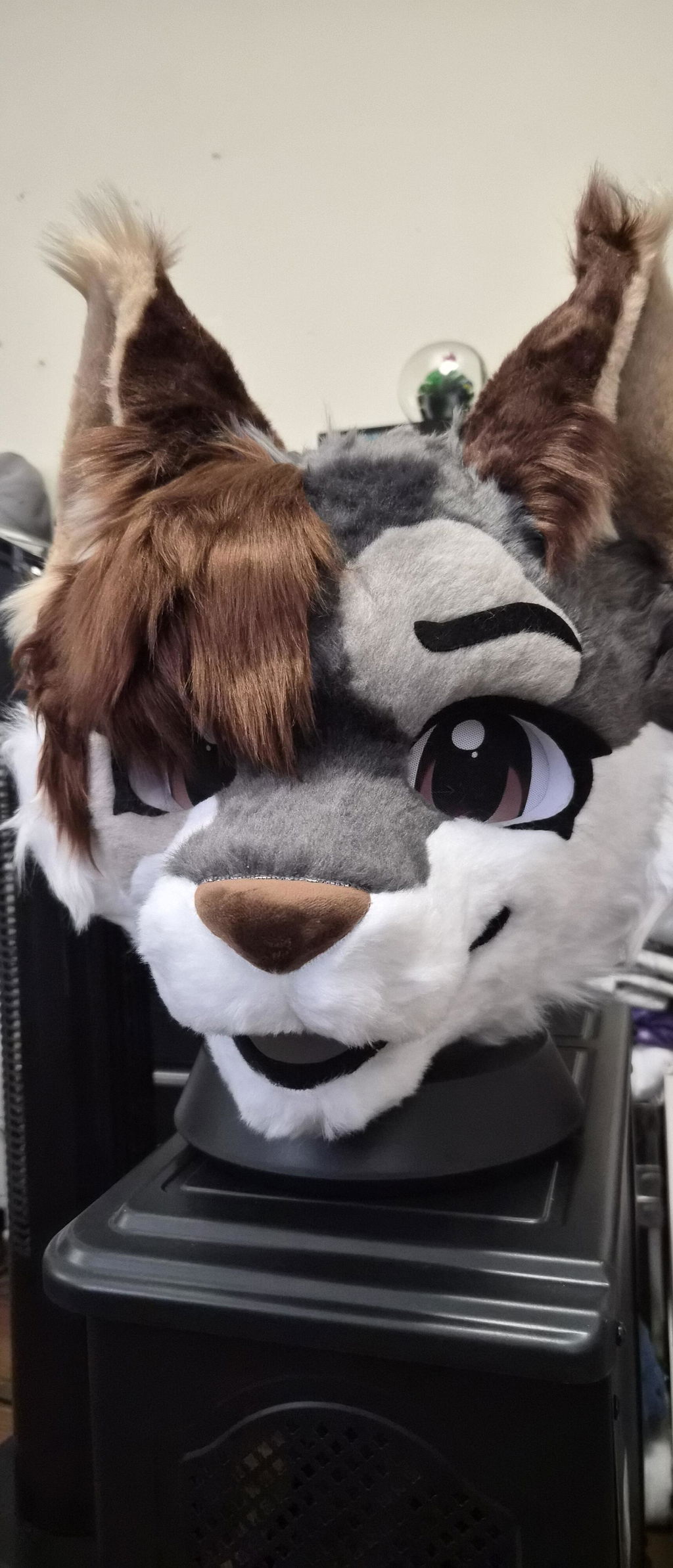
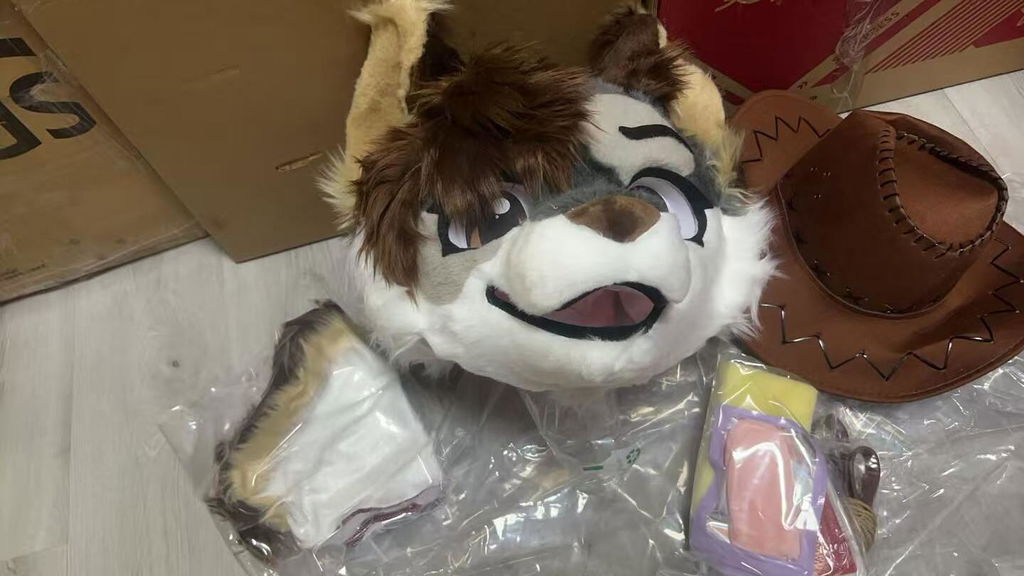
Fur suits are often judged by their character, color, and silhouette, but a good long-term experience also depends on what happens after the first photo. How will the suit be worn, aired out, stored, transported, and repaired when a small detail needs attention? Thinking through those questions early makes a design easier to live with and gives you better questions for a seller or maker.
This article treats a fur suit as a wearable system rather than a single visual object. It covers material decisions, the relationship between full and partial coverage, cleaning habits, storage, convention planning, and the boundary between safe home checks and questions that should go back to the maker. The aim is not to promise a universal care method. It is to help you build a practical routine around the exact item you own or are considering.
Begin with the way you will actually wear the suit
Real use scenario: You are designing a character for occasional photos, but you may later take the same character to a convention, a meet-up, or an outdoor shoot. The right material and coverage choices depend on those activities.
Actionable advice: Write down the three places where you expect to wear the suit and the longest realistic session for each. Add the actions you will repeat: walking, sitting, posing, talking, carrying a bag, or changing in a busy space. This turns a vague preference for “comfortable” into a useful brief that can be discussed before an order.
The current DokiDoki catalog includes complete character listings as well as separate paws, tails, undersuits, and fans. That range is a reminder that coverage is a planning decision. A full suit, a partial, and a character assembled from separate pieces create different routines even when the colors are similar.
- List the real locations where the suit will be used.
- Separate short photo sessions from long event days.
- Note which movements and breaks matter most.
- Decide which components must match from the beginning.
Read material choices as care choices
Real use scenario: You are comparing two attractive designs and focusing on color, while the more important difference is how the surface will respond to dust, friction, packing, and repeated brushing.
Actionable advice: Ask what care instructions apply to the exact item, which areas should avoid water, and whether the pile direction matters when brushing. Keep the answer with your order information. Do not infer a cleaning method from a photograph, a general term such as “fur,” or another product that looks similar.
Product pages can verify the name and listed details of a particular item, but they cannot replace item-specific care guidance. DokiDoki’s store catalog is useful for identifying the exact listing you are considering, while the maker or seller remains the right source for any unstated construction or maintenance question.
- Record the exact item and component before asking about care.
- Ask which surfaces need special handling.
- Separate visual inspiration from verified product information.
- Keep care instructions accessible during travel and storage.
Choose full or partial coverage by your routine
Real use scenario: You want a recognizable character but do not expect to wear every component at every event. A partial can be a deliberate design rather than an incomplete version of a full suit.
Actionable advice: Sketch the character with the head and paws only, then with the head, paws, and tail, and finally with the planned body coverage. Check whether the neck, wrists, ankles, and color transitions still look intentional. Also check how easily each combination can be packed and removed for a break.
The catalog includes a Fursuit Undersuit Bodysuit and several paw and tail listings, so the store can support different assembly approaches. The factual point is the existence of those listed component types, not a claim that every combination will fit together automatically. Measurements and exact product information still matter.
- Draw every coverage option you may realistically wear.
- Make transitions intentional at the neck, hands, and feet.
- Consider transport space and changing time.
- Confirm compatibility questions before combining separate listings.
Build a cleaning routine before the first outing
Real use scenario: The suit returns from an event with dust, flattened fur, and a little moisture, but you are tired and tempted to put everything straight into a sealed bag.
Actionable advice: Prepare a post-wear station before the event: a clean place to hang or lay components apart, a way to label small parts, and the care instructions for the item. Let the exact materials and maker guidance determine the next step. Avoid improvising heat, chemicals, or aggressive scrubbing when you do not know how the surface will respond.
Cleaning is not one universal action. Different components may need different handling, and a product title does not establish a safe method. A written routine protects the character from rushed decisions and makes it easier to notice a problem while it is still small.
- Separate components before storing them after wear.
- Allow appropriate airing according to the item’s instructions.
- Use only tools and methods that are confirmed for the material.
- Record stains, loose details, or changes before the next outing.
Plan brushing and shape recovery gently
Real use scenario: The fur looks smooth in one direction but uneven after sitting, packing, or repeated contact. You want to restore the appearance without turning a small issue into damage.
Actionable advice: Start with the least forceful check. Look for the direction of the pile, test any tool on an inconspicuous area if the care instructions allow it, and work in small sections. If a detail is matted, stained, detached, or behaving differently from the rest, pause and ask for guidance instead of escalating pressure.
Brushing is a maintenance action, not proof that a material can tolerate every tool or frequency. The correct method belongs to the exact surface. A simple maintenance log can be more helpful than relying on memory, especially when several people help with transport or event preparation.
- Follow the pile direction rather than brushing randomly.
- Work in small sections and stop when resistance increases.
- Test an approved method away from the most visible area.
- Ask for maker support when shape or attachment is uncertain.
Use accessories to support comfort and function
Real use scenario: You are assembling a character from a head, paws, tail, clothing, and comfort accessories. Adding every attractive piece makes the outfit harder to move in and harder to maintain.
Actionable advice: Give every accessory a job. A tail may complete the silhouette, paws may carry the character’s gesture, and an undersuit may help define the planned layer order. A portable fan may be useful in some routines, but it is not a substitute for breaks or item-specific safety information. Test the full combination indoors before an event.
Current catalog examples include Lightweight Fursuit Half-Paws with Free Gloves, a Custom Fursuit Tail Order, a Fursuit Undersuit Bodysuit, and a Portable Fursuit Fan. These are concrete listings you can evaluate separately; they are not evidence that every component is automatically compatible or necessary.
- Choose accessories that solve a real movement or character need.
- Check how each attachment changes balance and packing.
- Keep comfort equipment within a broader break plan.
- Confirm fit and compatibility for the exact combination.
Prepare a convention transport and break plan
Real use scenario: You are attending a full-day event and your costume must move between home, transport, a changing area, and the floor. The suit needs a logistics plan as much as it needs a style plan.
Actionable advice: Make a timeline with arrival, changing, first break, meal, photo time, and return. Pack components so that the pieces you remove first are easy to reach. Arrange a handler signal for limited visibility or fatigue, and identify a clean place where the suit can rest between uses.
Convention conditions vary, and no general article can certify what will feel safe or comfortable for every wearer. The useful preparation is specific: know your own limits, use the exact care directions for the item, and leave room for breaks instead of treating them as a failure of the costume.
- Pack the most frequently removed components on top.
- Agree on a simple handler signal before dressing.
- Schedule breaks before discomfort becomes urgent.
- Protect the suit from food, floors, and crowded storage areas.
Know when a problem needs maker support
Real use scenario: You notice a loose attachment, a change in shape, or a fit concern and are unsure whether to adjust it yourself. A careful pause can protect the item and preserve useful information.
Actionable advice: Photograph the issue in good light, note when it appeared, and describe what happened immediately before it. Compare the current state with the original item information. Avoid cutting, gluing, heating, or dismantling a structural area unless the maker’s instructions specifically support that action.
DokiDoki product pages are the right place to confirm the listing identity and available product information. They are not a guarantee that an unstated repair is safe. When the question involves fit, vision, ventilation, attachment, or a material response you cannot identify, send the details to the appropriate seller or maker.
- Document the issue before attempting any adjustment.
- Keep the original listing and order details together.
- Describe the use conditions rather than guessing at a cause.
- Escalate structural or comfort concerns instead of forcing a fix.
Store the character so the next wear is easier
Real use scenario: The event is over and the character will not be worn for several weeks. The way you finish the evening determines how much work the next outing will require.
Actionable advice: Follow the item-specific airing and storage instructions, keep components identifiable, and avoid compressing areas that need to retain their shape. Store accessories with the character without allowing hard edges, moisture, or clutter to press against delicate details. Write down what should be checked before the next wear.
A good storage routine is a small form of character care. It also protects your future planning: when a component is easy to find and inspect, you can spot a missing part, a changed marking, or a maintenance question before a deadline.
- Finish the post-wear routine before packing everything away.
- Keep the head, paws, tail, and clothing easy to identify.
- Protect shape and surface from unnecessary compression.
- Leave a short next-use checklist with the stored character.
Fur suits become easier to enjoy when their visual appeal and their care routine are planned together. Start with the way you will wear the character, ask exact questions about the material, choose full or partial coverage deliberately, and build cleaning, transport, breaks, and storage into the design. Use verified product pages to identify real components, then make the final decision around your own measurements, habits, and event plans. That approach leaves more room for the character itself—and less room for preventable surprises.