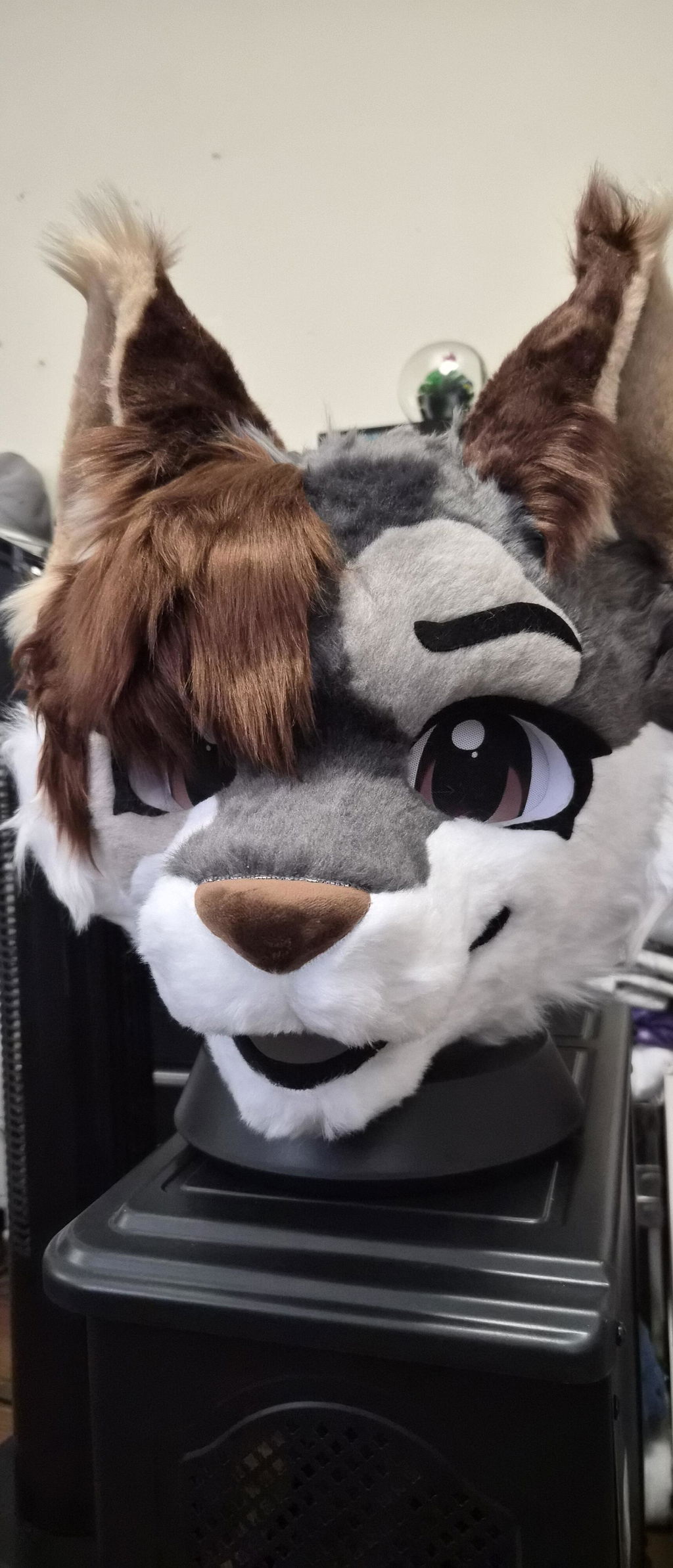
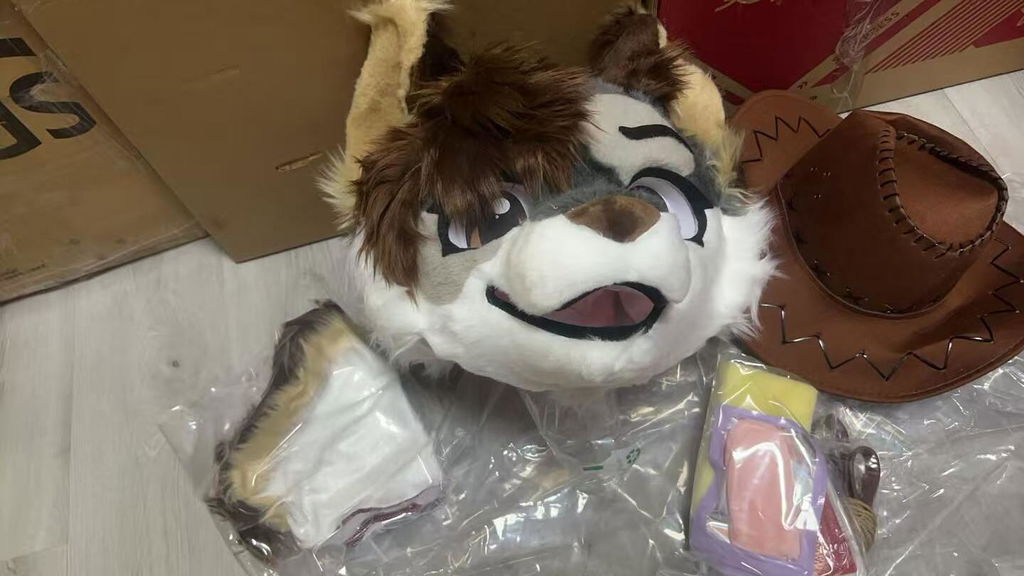
Searching for fursuits for sale can feel simple until several attractive listings begin to look alike. A useful comparison is not only about which character you like first. It also asks what coverage you need, how the design will read in photos, which parts are essential for your planned use, and what questions remain unanswered on the exact product page.
This article gives you a calm way to compare available listings before you decide. It starts with the character and event problem, then moves through coverage, visual identity, component planning, fit questions, care expectations, and a final decision sheet. The goal is to help you make a defensible choice without inventing specifications or assuming that two similar-looking products have the same construction.
Begin with the event you are buying for
Real use scenario: You are shopping for a convention, photos, a meetup, or occasional character wear, but you are comparing listings without knowing which parts of the experience matter most.
Actionable advice: Write the first three places you expect to wear the suit and the longest session for each. Add whether you will walk a lot, pose, sit, talk with a handler, or change in a busy space. A listing that looks perfect on a screen may not solve the same problem as one chosen for a different routine.
The DokiDoki catalog includes complete character listings and separate components, so an event-first question is useful: are you choosing a single ready-made direction, or assembling a character around the way you expect to move? The catalog can verify what is listed; your routine determines what matters.
- Write the primary setting before opening more tabs.
- Separate short photo use from a full event day.
- List the movements and breaks you expect.
- Choose the decision criteria that match that setting.
Separate character preference from practical fit
Real use scenario: One listing matches your favorite colors, while another has a character story and silhouette that feel more like you. You need a way to compare feeling with practical requirements.
Actionable advice: Make two columns. In the first, record character cues such as species, expression, markings, and palette. In the second, record questions about measurements, coverage, visibility, transport, and care. Do not let an unanswered practical question disappear just because the image is appealing.
A product title is a useful identity marker, not a complete fit assessment. For example, the catalog currently lists Red Fox Fursuit and Pink Princess Fursuit as distinct character directions. Their names help you organize your comparison, while exact item information and your own measurements still need separate attention.
- Record three visual reasons you like a listing.
- Record three practical questions it must answer.
- Keep preference and evidence in separate columns.
- Pause before treating a photograph as a specification.
Compare the silhouette before the color
Real use scenario: You keep switching between listings because each has a different color palette, but you have not checked which head and body outline actually communicates the character you want.
Actionable advice: Reduce each candidate to a simple outline. Check the head width, ear direction, muzzle impression, body shape, and tail relationship without relying on internal markings. Then view a small grayscale version. These two tests show whether a design remains recognizable when lighting, distance, or camera color changes.
This is a comparison method, not a claim about how a particular suit is built. It lets you evaluate the visual information that is actually shown and identify what you need to ask about anything that is not shown.
- Check front, side, and three-quarter views when available.
- Test the outline at thumbnail size.
- Use grayscale to separate shape from color.
- Choose the silhouette that supports your character story.
Decide how much coverage you truly need
Real use scenario: You want a complete-looking character, but you may remove the head, paws, or tail for meals, travel, photos, and breaks. A full suit is not the only way to create a coherent look.
Actionable advice: Sketch each realistic combination: head only, head with paws, head with paws and tail, or a fuller outfit. Check whether the exposed neck, wrists, ankles, and waist look intentional. Then consider what each combination means for packing and changing.
The catalog includes a Fursuit Undersuit Bodysuit and separate paw and tail listings. Those examples show that component planning is possible, but they do not prove automatic compatibility. Measurements and item-specific questions remain necessary when combining separate listings.
- Choose coverage based on how you will wear the character.
- Check transitions at every exposed edge.
- Plan where removed parts will rest during breaks.
- Confirm component compatibility before relying on a combination.
Use markings and expression as decision filters
Real use scenario: Two listings have similar prices or categories, but one has a face that matches the emotion you want while the other depends on details that may not read from a distance.
Actionable advice: Describe the desired expression in plain language: calm, playful, alert, shy, or bold. Identify the marking or eye direction that carries that emotion. Then ask whether the candidate remains readable in the photos and settings where you expect to use it.
A listing name such as Beijing Opera Fursuit can communicate a strong costume direction, while a name such as Red Fox Fursuit communicates a species direction. Neither label tells you how your own presence will feel in the character. Use the label to organize choices, then inspect the visible design and ask direct questions.
- Name the expression you want before comparing details.
- Identify the face feature that carries the mood.
- Check whether the character reads at a small size.
- Separate the title’s promise from the visible evidence.
Build a question list for the exact listing
Real use scenario: You have narrowed the choice to one or two listings, but you are unsure about measurements, included components, care, visibility, or the difference between the photograph and the delivered item.
Actionable advice: Ask questions in groups: what is included, what measurements are needed, how the item should be cared for, what details are not visible, and what timing or handling information applies. Save the answer with the product URL so you do not accidentally apply it to another listing.
Fresh catalog verification can confirm the exact URL and a numeric inventory value for a listed product. It cannot answer every personal fit or comfort question. Treat inventory as a changing store fact and treat fit as a conversation about your requirements.
- Ask about included components separately from styling.
- Send measurements in the requested format.
- Ask directly about unstated comfort or visibility details.
- Keep answers attached to the exact product page.
Compare the listing with your care routine
Real use scenario: You are choosing between a visually complex character and a simpler one, but you have not considered how the suit will be cleaned, aired, brushed, transported, or stored after use.
Actionable advice: Add a care column to your comparison sheet. Note which instructions you have confirmed, which questions are unanswered, and how the suit will be handled after a convention. Never infer a safe cleaning method from a similar product or from one photograph.
Care guidance belongs to the exact material and item. The catalog helps identify the product you are considering, while the seller or maker is the appropriate source for unstated maintenance details. A clear care plan can be a stronger decision factor than one extra decorative feature.
- Record confirmed care information before purchasing.
- Plan a clean place for post-wear airing.
- Keep tools and methods specific to the item.
- Choose a routine you can actually maintain.
Make the final choice with a weighted scorecard
Real use scenario: Three listings still look appealing and you feel tempted to choose whichever one you viewed last. A weighted scorecard slows the decision just enough to reveal what you actually value.
Actionable advice: Give each candidate a score from one to five for character fit, event fit, coverage fit, question clarity, and care readiness. Give the first two categories more importance if the character story is your priority. Do not score an unanswered item as if it were confirmed; mark it as a question instead.
Current DokiDoki examples such as Red Fox Fursuit, Pink Princess Fursuit, Beijing Opera Fursuit, and the Fursuit Undersuit Bodysuit can be placed into different comparison roles. The links identify real catalog pages; they do not remove the need to check the details that matter to you.
- Score character fit and event fit separately.
- Mark unknowns instead of guessing.
- Let unanswered high-priority questions block a rushed choice.
- Recheck the final page when you are ready to act.
Keep a clear record after you decide
Real use scenario: You have chosen a listing and later need to remember why, what was included, what questions were answered, and which care notes apply.
Actionable advice: Save the exact product URL, your measurements, the confirmed component list, care information, and the three reasons the character fit your plan. Keep one short note about what to inspect when the item arrives or before the first public outing. This record protects the decision from memory gaps and makes future accessories easier to compare.
If two candidates still score similarly, use a “must answer” rule rather than forcing a numerical winner. Choose the listing with the clearer path to resolving your highest-priority questions, or pause until the missing information is confirmed. This is especially helpful when the difference is not visual but practical: the intended coverage, how components are handled, what you need to measure, or how the item should be cared for. A good decision record should also state what would make you change your mind. That might be an unanswered fit question, a component you do not actually need, or a care routine that does not fit your schedule. Writing that condition down keeps excitement in the process while protecting the reason you started comparing.
Keep the comparison sheet friendly to future you. Use plain labels, date the questions, and avoid copying details from one listing into another. When availability or page content changes, the saved URL and your original character priorities still show what you were evaluating. That makes the choice useful beyond checkout.
A short record also helps when you compare accessories later, because you can see which choices were intentional and which questions were still open.
Shopping for fursuits for sale is a decision process, not a race through thumbnails. Start with the event and character problem, compare silhouette and coverage, ask precise questions, and use a scorecard that respects unknowns. When a DokiDoki listing fits both the character you want and the way you will wear it, the purchase becomes easier to explain—and easier to enjoy after the first photograph.
- Save the exact page and confirmed information.
- Keep measurements and component notes together.
- Write the first-use inspection checklist.
- Review the record before adding new pieces.